A large format SLA 3D printer can dramatically increase productivity for manufacturers producing oversized prototypes, tooling patterns, footwear molds, and functional components. However, the true value of any machine is not determined by its build volume or speed alone. It is determined by whether it can complete long-duration prints consistently without failure.
Many buyers compare specifications when selecting a 3D printer, focusing on laser power, scanning speed, or maximum build size. Yet experienced users understand a simple reality: none of those advantages matter if a print fails after ten or twenty hours of operation. Failed prints consume resin, occupy valuable machine capacity, delay deliveries, and increase production costs.
For companies relying on a large format SLA 3D printer to support daily production, printing stability has become one of the most important purchasing considerations.
Why Large SLA Prints Fail So Often
As build sizes increase on a large Resin 3D Printer, maintaining consistent print quality becomes increasingly challenging.
Unlike smaller builds, large-format parts often require extended printing times. During a print that runs continuously for ten hours or more, even minor fluctuations in laser output, positioning accuracy, resin leveling, or structural rigidity can accumulate and lead to dimensional deviations, surface defects, or complete build failures.
Some of the most common causes of SLA print failures include:
| Common Problem | Production Impact |
| Unstable laser output | Inconsistent curing and dimensional errors |
| Inaccurate motion control | Layer shifts and reduced accuracy |
| Structural vibration | Surface defects and print failures |
| Poor resin management | Incomplete layers and build interruptions |
| Long equipment downtime | Reduced productivity and delayed deliveries |
For service bureaus and manufacturers operating multiple machines, these issues can become extremely costly. The greatest expense is often not the wasted material itself, but the loss of production capacity and customer delivery delays caused by repeated print failures.
One overseas prototype manufacturing company encountered this challenge as order volumes continued to grow. The company had previously relied on another industrial SLA printer, but recurring interruptions during long production runs reduced machine utilization and created scheduling difficulties. Failed builds frequently required reprinting, resulting in lost time and higher operating costs.
After implementing the Helios-P600, the company observed a significant improvement in printing stability. The machine maintained reliable operation during continuous production cycles, reducing unexpected interruptions and improving overall output consistency.
The results were convincing enough that the customer purchased a second Helios-P600 shortly after the first installation. For production-focused businesses, this type of investment decision often reflects confidence in a machine’s real-world reliability rather than its specifications alone.
How Helios-P600 Delivers Reliable Large-Format SLA Printing
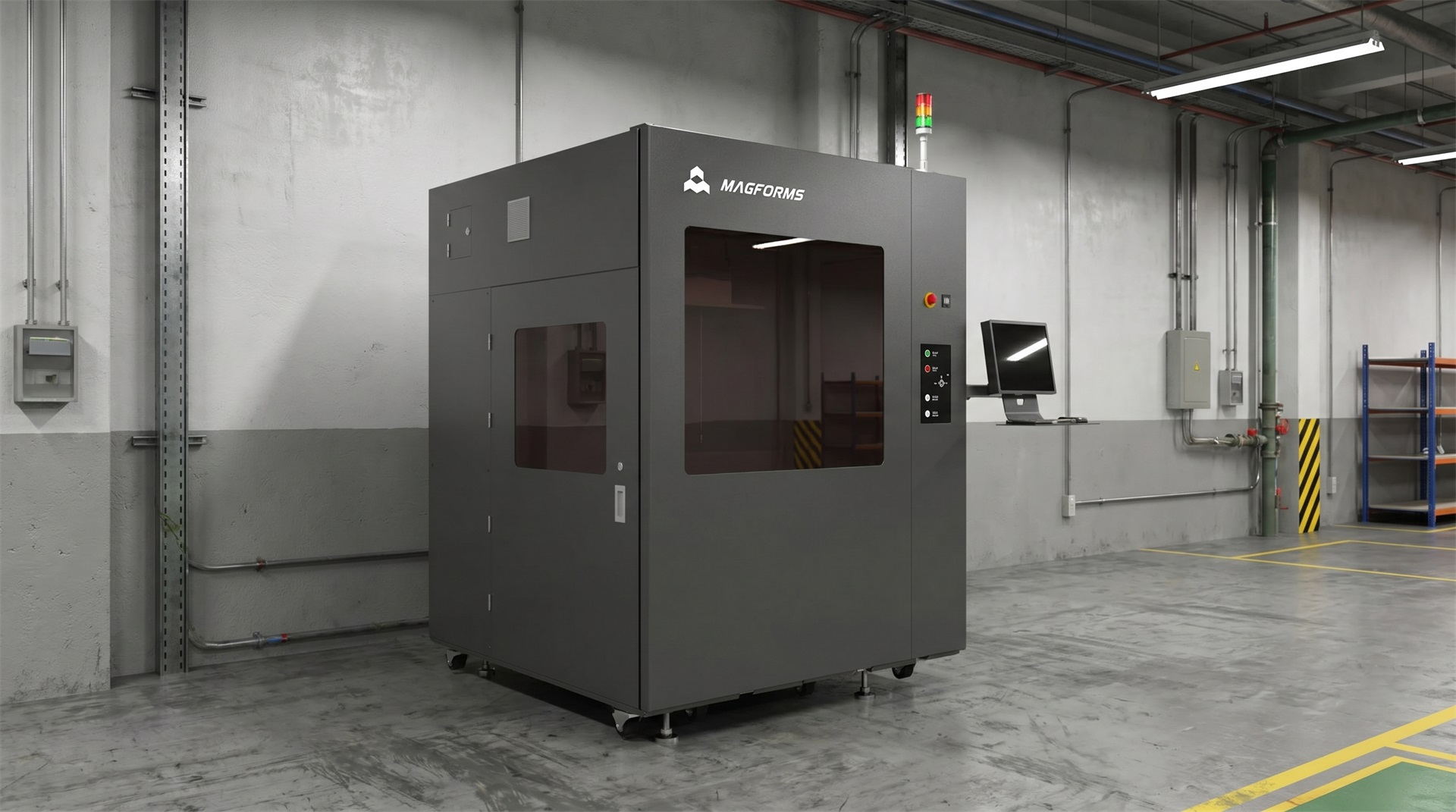
Printing stability is rarely achieved through a single feature. Instead, it is the result of a carefully engineered system in which optics, motion control, machine structure, and material management work together seamlessly.
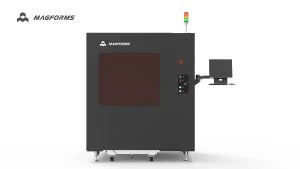
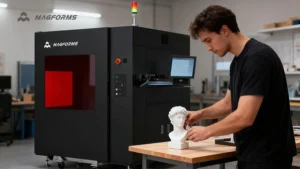
The Helios-P600 is a large format Stereolithography 3D Printer developed specifically for industrial environments where reliability is essential. As a professional industrial SLA printer, it was designed to address the most common causes of SLA print failures while maintaining high productivity.
Its stability begins with premium industrial components. The machine utilizes an AOC laser source known for stable output during continuous operation. This is paired with a German Scanlab galvanometer system that delivers highly accurate, repeatable laser-scanning performance. Critical movements throughout the machine are driven by Panasonic servo motors, providing precise positioning for the recoater system, resin level control, and platform movement.
Combined with a rigid granite platform and reinforced machine structure, these components help maintain stable operating conditions throughout long-duration print jobs.
Unlike many conventional SLA 3D printer systems, the Helios-P600 combines industrial-grade stability with a large 600 × 600 × 500 mm build volume.
In addition to stability, the Helios-P600 improves productivity through variable spot technology. Larger spot sizes are used for internal fill regions, while smaller spot sizes are applied to contours and fine features. This intelligent scanning strategy enables printing speeds that are approximately 30% to 50% faster than many traditional SLA 3D printer platforms while maintaining excellent detail quality.
Material flexibility is another advantage. Unlike closed ecosystems that restrict material selection, this industrial SLA printer supports most 355nm resins through its open-material architecture. Manufacturers can continue using existing materials while exploring new applications without being locked into proprietary resin systems.
For users operating multiple resin 3D printer platforms, this flexibility can significantly reduce material costs and simplify workflow integration.
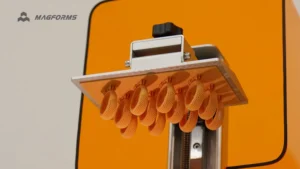
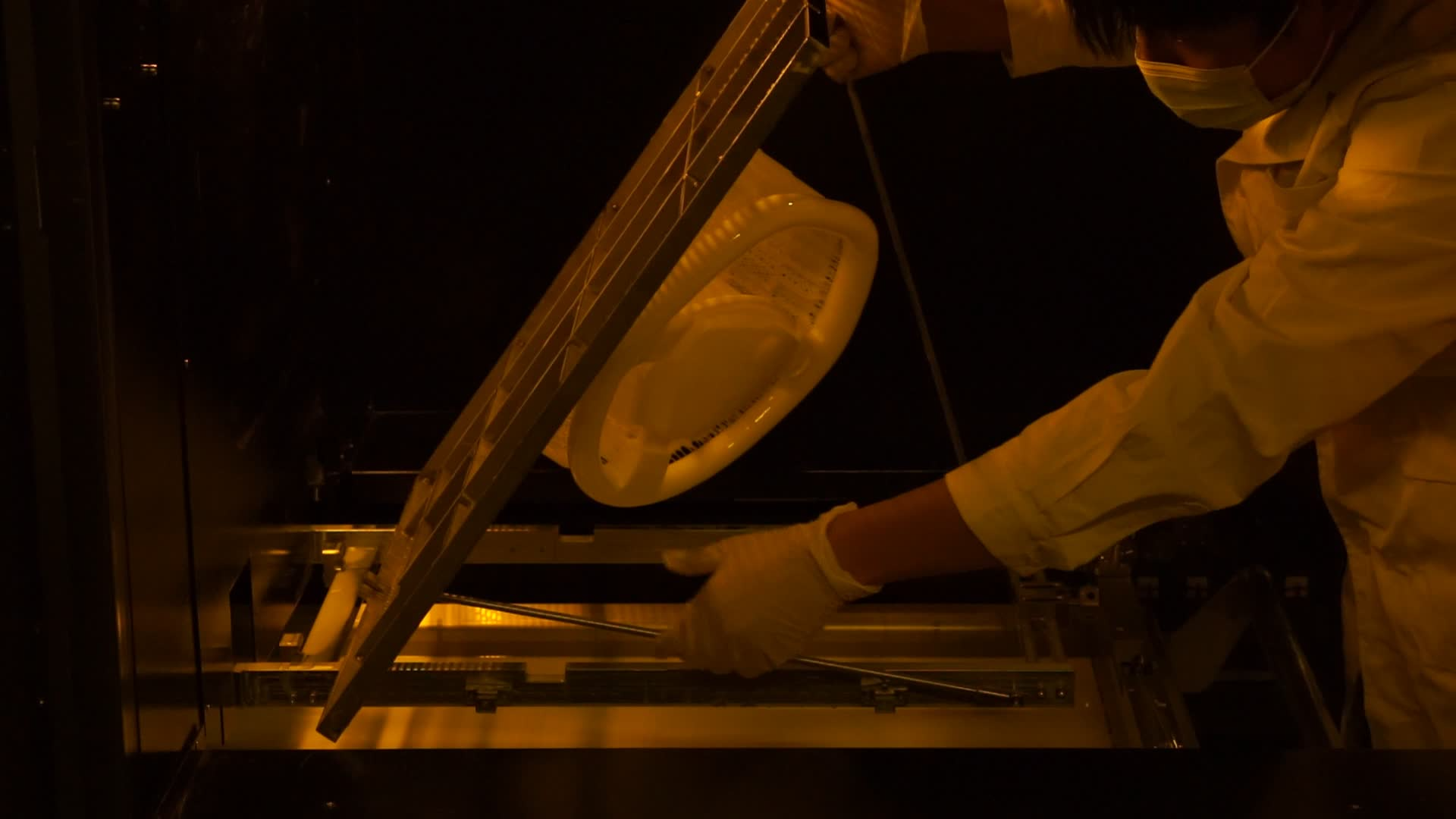
Additional productivity-focused features further enhance daily operation. The removable resin tank design enables faster material changes, while the support-assisted platform drainage system helps reduce post-processing time. Optical protection covers and multi-point safety interlock systems provide additional protection for operators and machine components.
When evaluating a large format SLA 3D printer, build volume and speed often attract the most attention. However, long-term profitability is ultimately determined by consistency. A machine that frequently experiences interruptions can quickly become a production bottleneck, regardless of how impressive its specifications appear on paper.
A reliable stereolithography 3D printer allows manufacturers to maximize throughput, reduce material waste, improve delivery performance, and maintain confidence in production scheduling.
For companies seeking a dependable large format SLA 3D printer, a high-performance industrial SLA printer, or a reliable resin 3D printer for continuous production, the Helios-P600 delivers the stability, accuracy, efficiency, and industrial-grade performance required by modern manufacturing environments.
To learn more about how this advanced SLA 3D printer can help reduce print failures and improve production efficiency, contact Magforms for application guidance, sample evaluation, and project consultation.