In industrial component manufacturing, the true value of an iIndustrial 3d printer is not defined only by precision, build size, or speed. It is defined at the exact moment something goes wrong—and how fast production can recover.
For a manufacturing team specializing in industrial components and functional structural parts (hereafter “the production team”), equipment was once a source of uncertainty: print failures, delayed schedules, and maintenance cycles that could stretch for days.
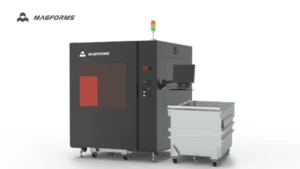
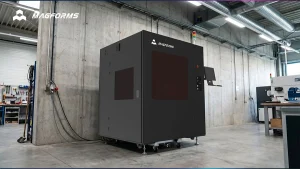
That changed after introducing the Magforms Helios-P450 industrial SLA 3D Printer, a production-grade system designed for high-demand environments where uptime is critical.
This 450 × 450 × 400 mm large-format Resin 3D Printer combines a variable spot laser system with ±0.1 mm accuracy control, enabling stable operation in continuous production workflows.
But what truly redefined their production system was not only its performance as a 3d printer, but the speed of after-sales engineering response—turning downtime from a risk into a managed event.
Stable Production in Industrial Component Manufacturing
Before adopting the Helios-P450, the team relied on another industrial Resin Printer for structural validation parts and small-batch production of functional components.
As order complexity increased, several issues became recurring:
· Reduced stability during long continuous runs
· Dimensional deviation affecting assembly verification
· Long external maintenance cycles disrupting delivery timelines
During a critical industrial component delivery project, their previous system experienced scanning instability, forcing a production halt while waiting for external technical support.
After this incident, the team evaluated alternative systems and selected the Helios-P450 Industrial SLA 3D Printer.
Built with a solid-state Nd:YVO4 laser system and German Scanlab galvanometer architecture, combined with a marble-based platform, the system delivers higher long-term mechanical stability and supports 24/7 industrial operation.
The production manager explained:
“In industrial manufacturing, the biggest risk is not complexity—it is uncertainty. The Helios-P450 made our production predictable.”
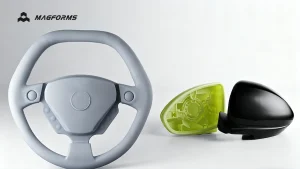
Since deployment, the system has been integrated into continuous prototyping workflows, including structural validation and pre-production testing, becoming a core node in their manufacturing process.
When Downtime Disrupts Delivery Chains
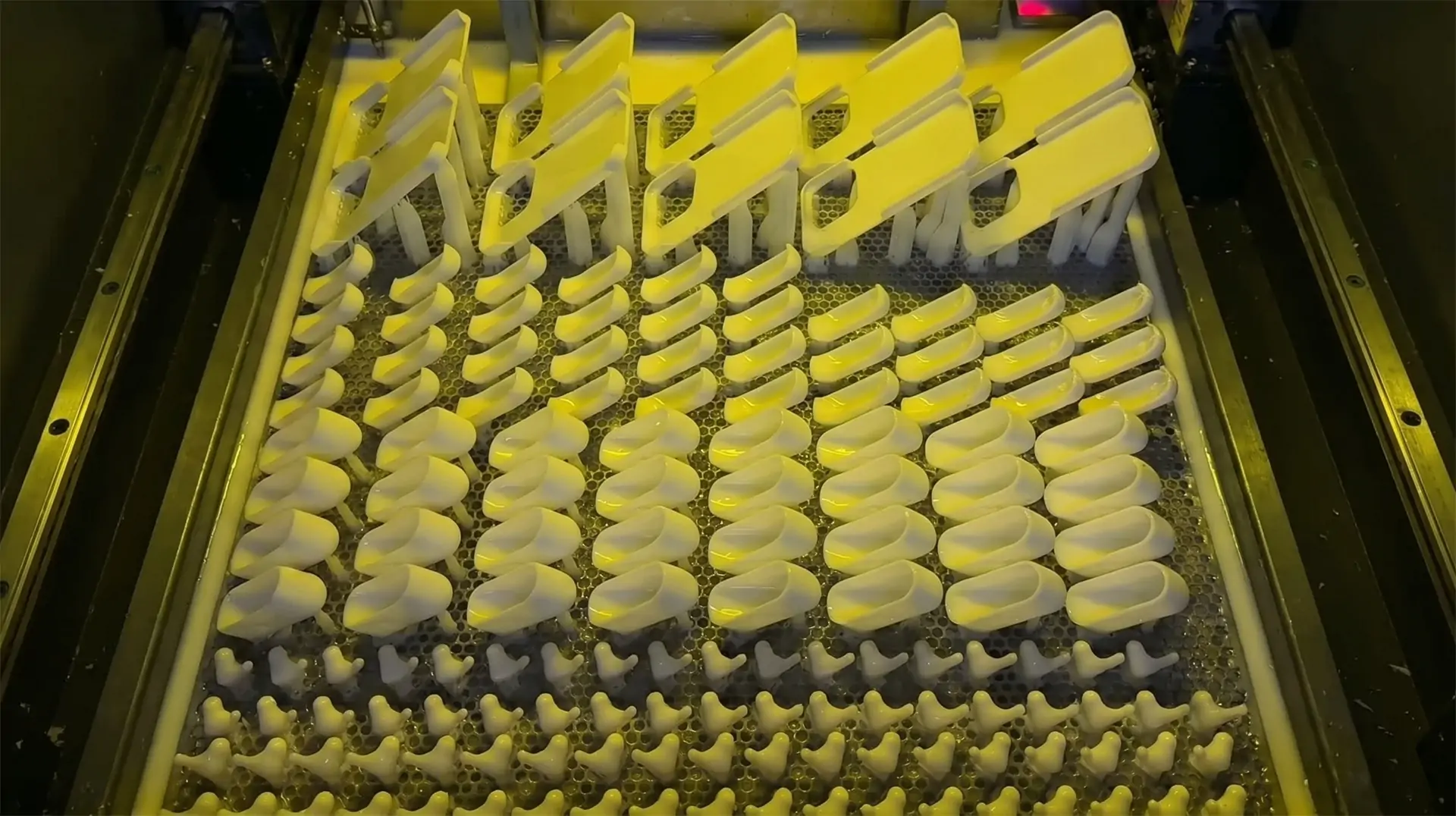
The most critical moment occurred during a nighttime batch production run.
The team was operating a resin 3D printer for industrial component manufacturing when a layer consistency issue occurred mid-process. Under previous systems, this type of failure typically required at least one full day of external support intervention.
However, after contacting Magforms, the engineering team responded quickly with remote diagnostics, optimizing scanning parameters and adjusting laser path settings. Production resumed within the same production cycle.
A maintenance engineer recalled:
“Previously, this kind of issue would shift our entire schedule. This time, we recovered within hours.”
In follow-up optimization, the engineering team further refined iBuild 2.0 software parameters, improving scan stability on complex geometries and reducing cumulative edge deviation in the SLA 3D printer workflow.
In another material compatibility case, the support team provided pre-validated parameter templates, preventing potential production failure before it occurred.
The production supervisor summarized:
“In manufacturing, the real cost is not the machine—it is the time lost during downtime. After-sales response defines the scale of that loss.”
Field Experience from Production Teams
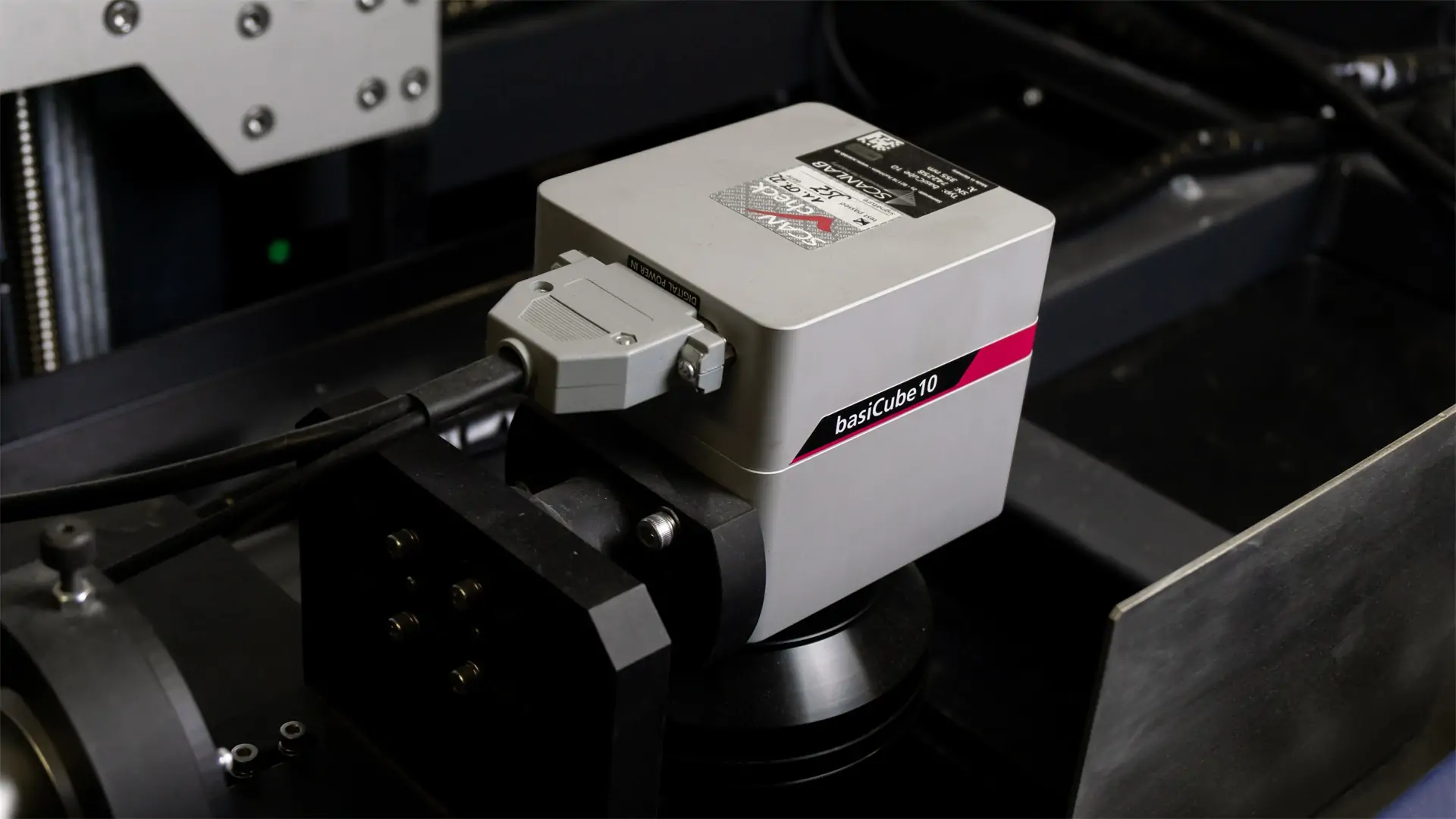
With stable operation established, the team gradually integrated the Helios-P450 into its core production line as a key Industrial 3d printer.
They summarized three key takeaways:
First, the value of industrial equipment lies not only in printing performance, but in the response ecosystem. With Helios-P450, issues are resolved rather than queued.
Second, variable spot technology allows a single resin 3D printer to handle both high-precision structural components and large functional parts, improving overall equipment utilization.
Finally, their recommendation to other manufacturers is direct:
“If a machine requires a full day to recover from an issue, it is not suitable for industrial production. The difference with Helios-P450 is how quickly problems can be solved.”
The engineering team added:
“Many production losses are not caused by machine limitations, but by delayed response. A true industrial-grade 3d printer must treat after-sales speed as part of its core performance.”