In collectible toy design, the first physical prototype often matters more than the final product. A creative team focused on original figurines realized that many design issues were not introduced during production, but existed from the very beginning. Proportions, balance, and pose tension frequently appeared correct on screen, yet revealed problems only after a physical model was produced.
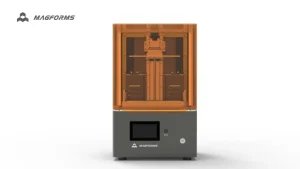
Previously, this step came late in the workflow. Once digital modeling was complete, files were sent out for sample production, and the team waited days or weeks for results. Each revision required another round of outsourcing, slowing iteration and increasing cost. To change this process, the team brought prototyping in-house and adopted the Magforms P10 as their primary Resin 3D Printer. As a dedicated 3D printer for rapid prototyping, it allowed physical models to become a regular part of the design process rather than a final checkpoint.
Solving Design Problems Earlier Through Rapid Prototyping
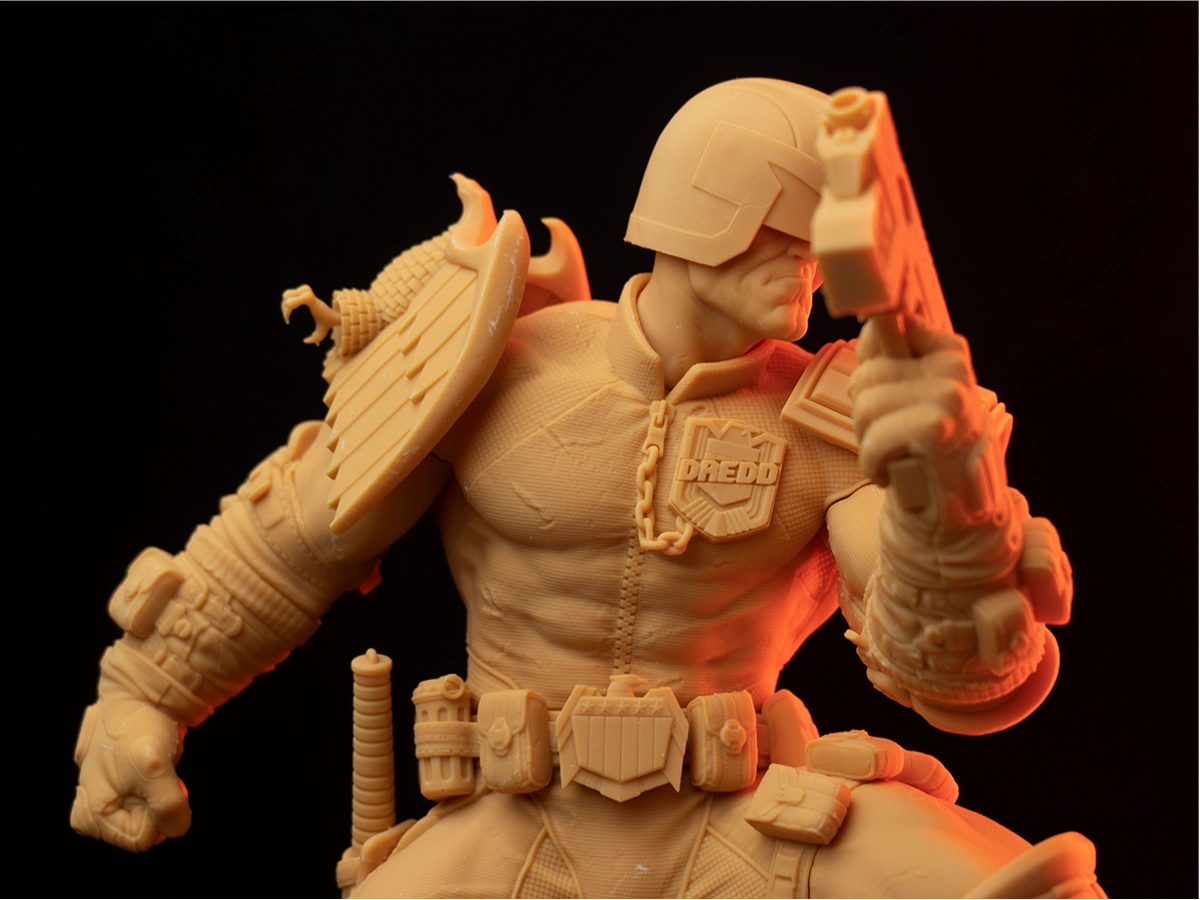
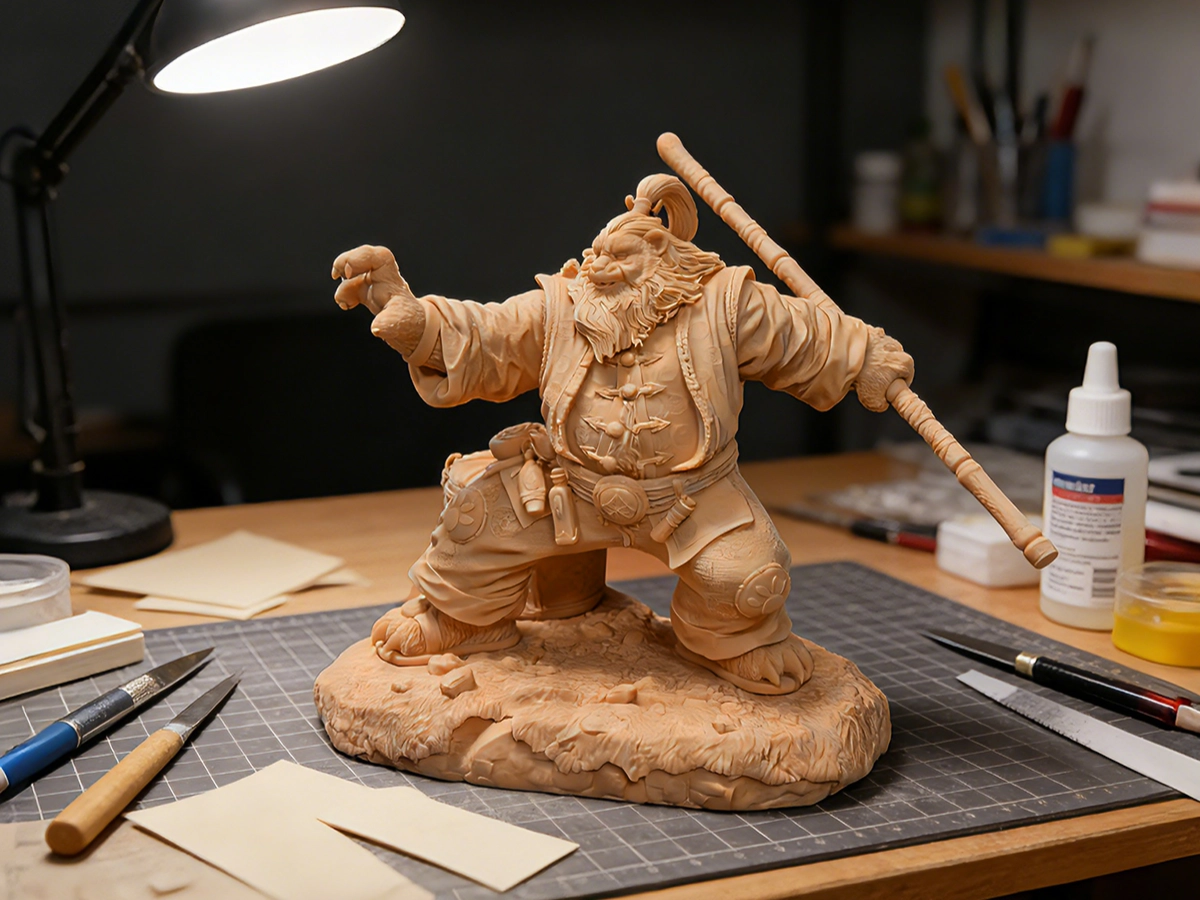
The team first applied the Magforms P10 to proportion and pose testing. For each new character, designers printed multiple variations with subtle adjustments to shoulder angles, head size, or center of gravity. Using a high-resolution Resin Printer, these prototypes were evaluated at near-final display height, rather than viewed only on a workbench.
This approach changed how design reviews were conducted. Instead of asking whether a design might look unbalanced as a physical object, designers compared versions directly and selected the one that appeared most natural from multiple viewing angles. Compared with general-purpose 3D printers for toys, the resin 3D printer delivered consistent surface quality and fine detail, making facial expressions, clothing layers, and decorative edges clearly visible.
As confidence in the process grew, the team began printing structural test parts earlier in development, including joint connections and base stability. Issues that once appeared during late-stage samples were now identified and resolved at the prototype stage.
Making Iteration a Continuous Process
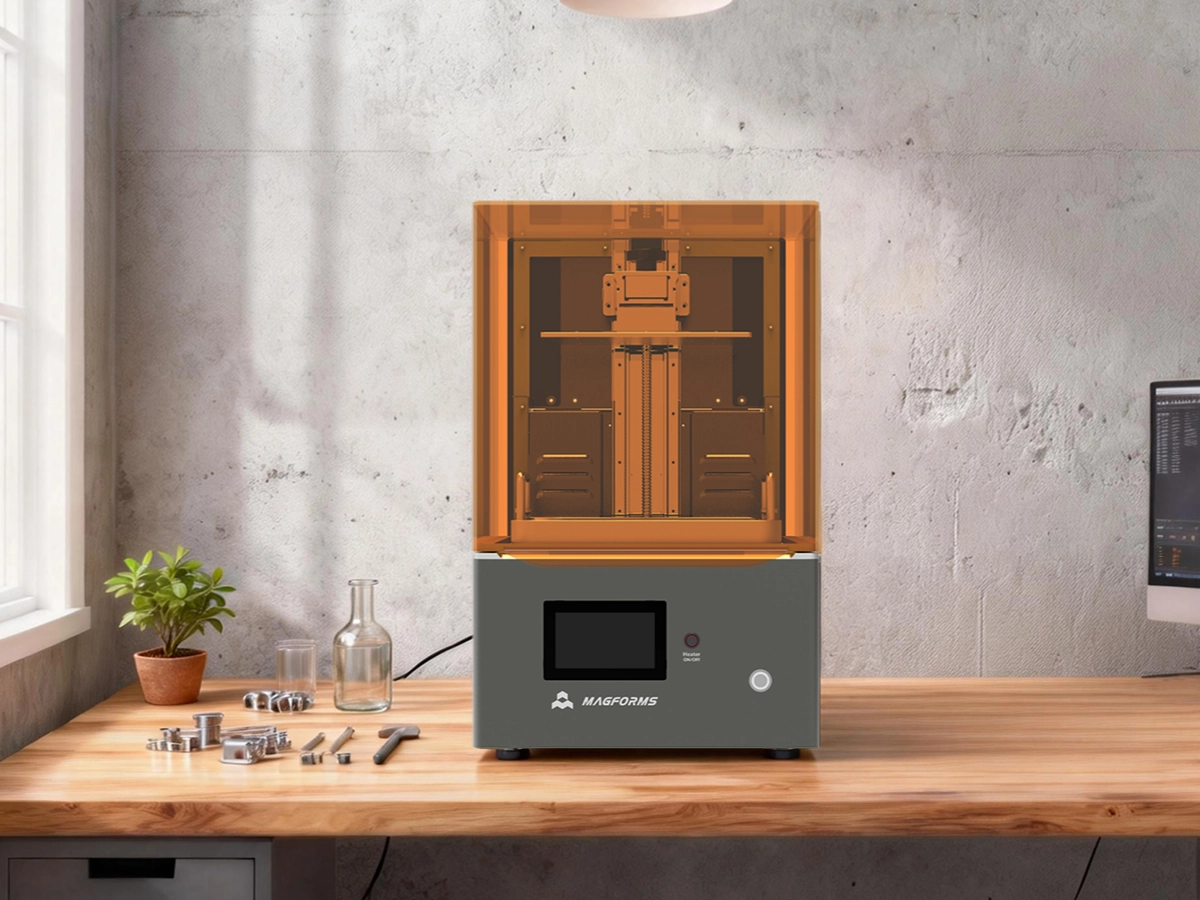
Once prototyping became a daily practice, the overall project rhythm changed. Design revisions were no longer concentrated at a few critical milestones, but distributed throughout development. With an in-house 3D printer for rapid prototyping, designers could modify a model and evaluate a physical result within a single day.

This continuous workflow encouraged greater creative freedom. Complex poses and intricate details that were previously avoided could now be tested quickly before committing to production. In this context, the 3D printer was not only a tool for speed, but a way to reduce creative risk.
As competition in the collectible toy market increases, the ability to refine designs early and frequently has become a strategic advantage. By integrating a resin 3D printer into their core workflow, the team ensured that each character reached final approval only after thorough physical evaluation, rather than compromise during manufacturing.