In the fast-paced footwear industry, speed from concept to physical validation often determines market success. While traditional mold development workflows deliver precision, they are slow to adapt to frequent design changes. As development timelines continue to compress, many footwear manufacturers are rethinking their reliance on conventional processes and turning to a reliable 3D printer to accelerate iteration without sacrificing accuracy.
For teams developing complex shoe molds, the limitation is rarely design capability. Instead, it is the delay between digital design and physical verification that slows progress and restricts decision-making.
When Long Lead Times Begin to Limit Design Decisions
Footwear mold development has traditionally relied on highly optimized but rigid manufacturing processes. While CNC machining delivers excellent dimensional accuracy, it often requires long preparation and production cycles. When design feedback arrives late in the process, even minor changes can trigger significant delays.
As a result, feedback cycles frequently extend across weeks. Design teams become more conservative, simplifying structures and reducing experimentation to avoid restarting lengthy production workflows. Advanced internal geometries, lightweight lattice structures, and functional variations are often deprioritized, not due to technical limitations, but because validation takes too long.
For one supplier providing high-end footwear mold design and rapid prototyping services to global brands, this constraint became increasingly apparent.
“Our biggest constraint wasn’t complexity,” said the company’s Technical Director. “It was time. A conventional mold can take weeks to complete. If a client requests a change, the entire process starts over. In practice, speed often matters more than perfection.”
The Solution: A Stereolithography 3D Printer Built for Continuous Production
“We didn’t need a machine just for visual samples,” explained the project lead. “We needed an industrial SLA 3D printer that could integrate into our workflow and consistently produce mold-quality parts.”
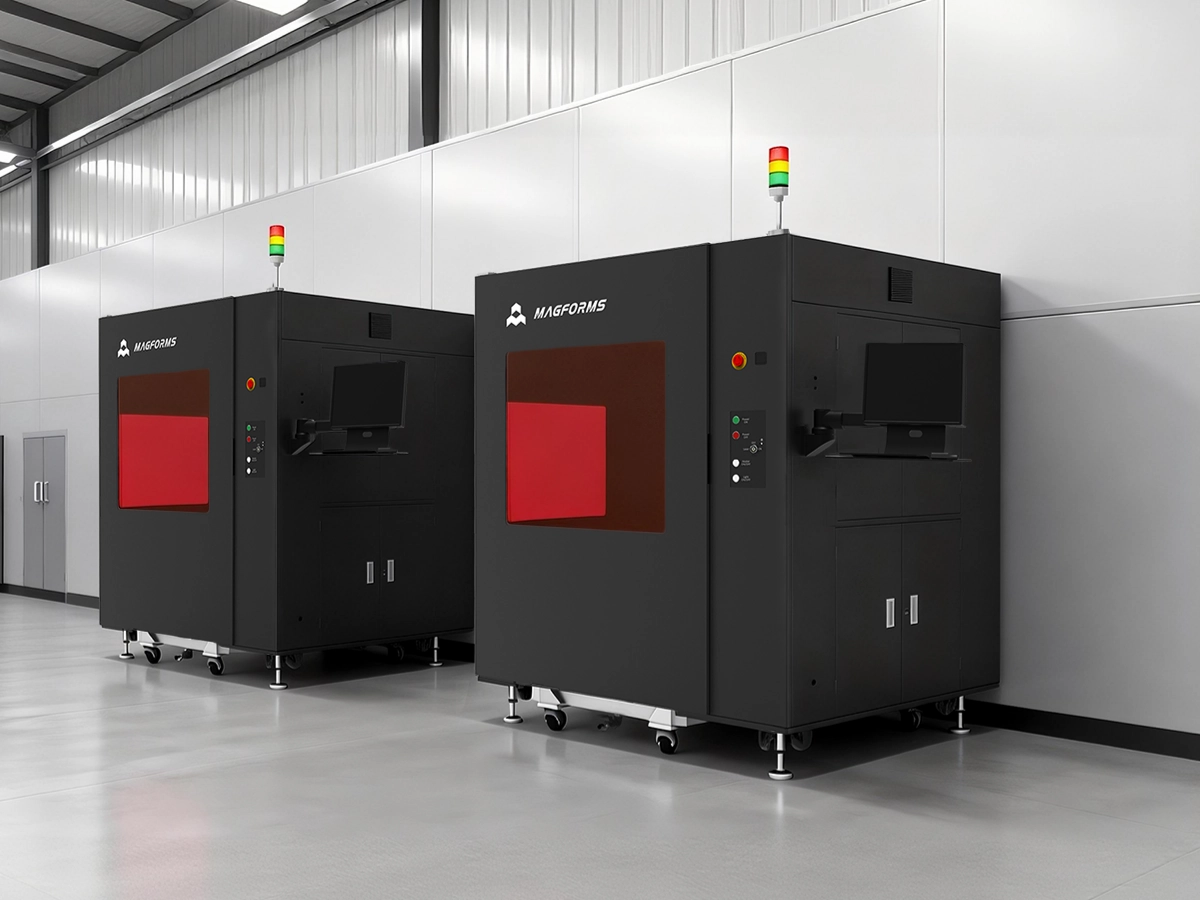
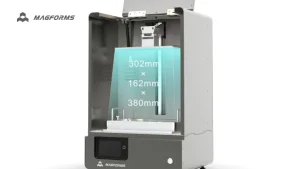
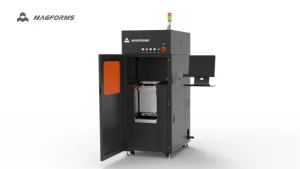
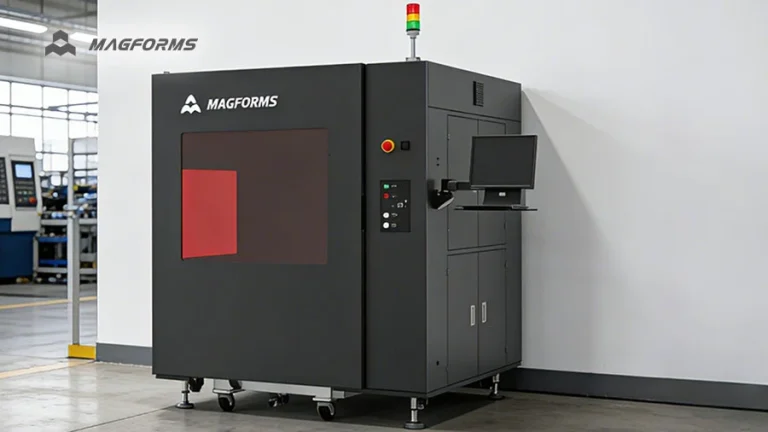
After evaluating multiple additive manufacturing technologies, the company selected the Magforms SL800, a production-oriented stereolithography 3D printer designed specifically for industrial environments. The system is built with industrial-grade optical and motion components, enabling stable, long-duration operation suitable for continuous production.
This architecture allows the SLA printer to run overnight and through weekends while maintaining consistent output. Print jobs can be scheduled around existing development timelines, significantly improving equipment utilization without disrupting ongoing projects.
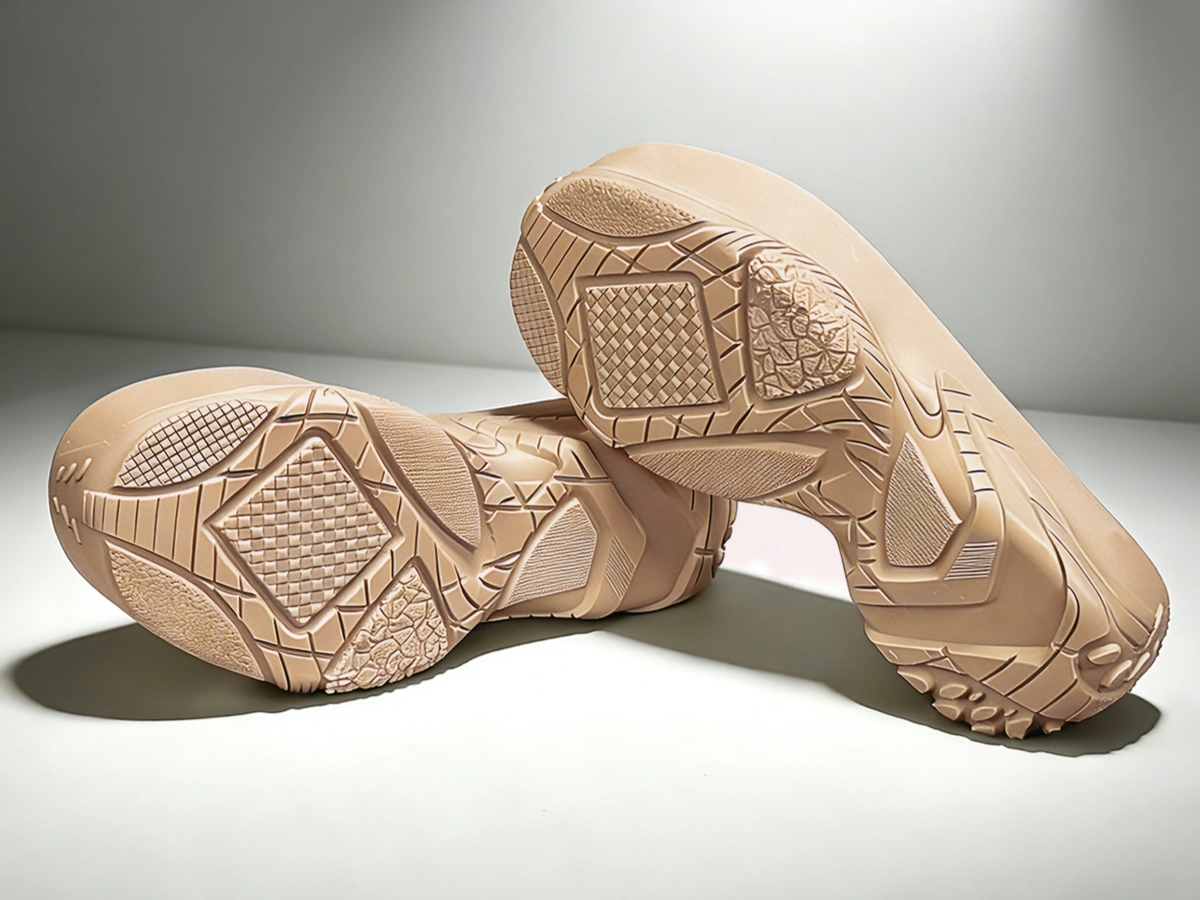
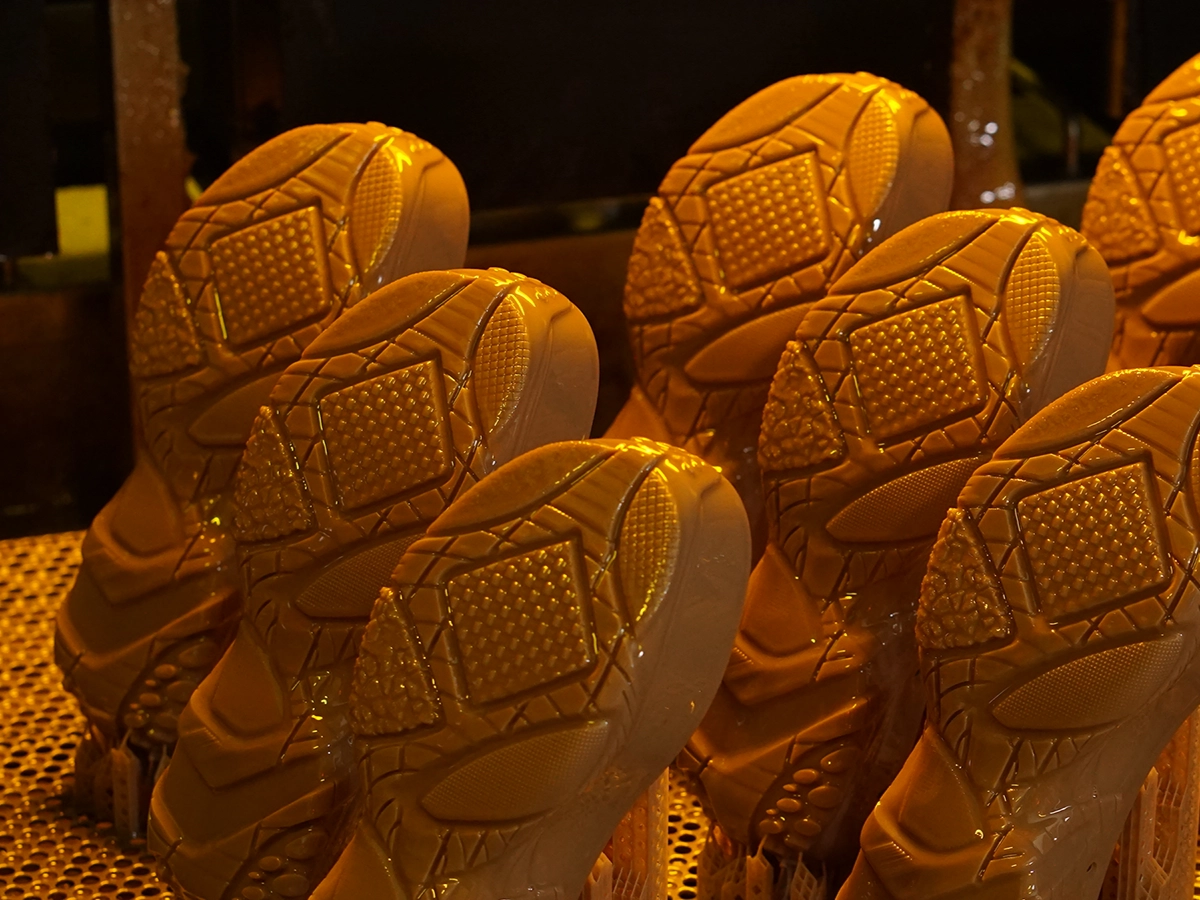
Print quality was equally critical. Using variable spot size control, the industrial SLA 3D printer balances speed and precision by applying larger spot sizes for rapid internal curing and finer spots for contours and surface details. This approach ensures that tread patterns, branding elements, and fine textures are reproduced clearly and consistently across iterations.
In one representative application, a single transparent component weighing nearly ten kilograms was produced using the SLA printer with no visible internal defects, demonstrating the system’s reliability in large-format, production-grade shoe mold applications.
Results: From Reducing Lead Time to Redefining Workflow
“The real value of this shoe 3D printer is design freedom,” noted the head of design. “Complex internal structures can now be validated quickly instead of remaining theoretical.”
With the industrial SLA 3D printer in place, the company restructured its footwear mold development process. What previously required weeks can now be completed in days.
Once a sole design is finalized, data is sent directly to the 3D printer. Complex mold prototypes are produced in just over ten hours, a task that previously required multiple days of machining. Engineers can perform fit checks and trial molding the following day, delivering functional samples to brand partners much earlier in the development cycle.
Overall, primary design iteration timelines were reduced by more than seventy percent. This acceleration not only improved delivery speed but also encouraged more frequent iteration and deeper design validation.
The open materials approach of the SLA printer further expanded production possibilities. High-temperature and molding-grade resins enabled silicone molding and low-volume injection workflows, transforming flexible, small-batch production from a costly experiment into a scalable offering.
“This industrial SLA 3D printer is more than a piece of equipment,” concluded the company’s General Manager. “It’s a strategic accelerator. Instead of reacting to delays, we can now help our clients move faster and iterate more often.”