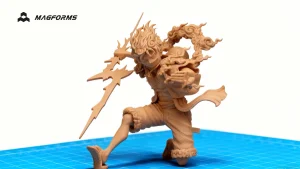
A film prop manufacturer had been using resin 3D printing technology to produce large character models, scene components, and customized props.
At the beginning, the existing workflow could meet regular production requirements. However, as projects became larger and designs became more detailed, the manufacturer started facing difficulties that affected production efficiency.
With large resin models, the true difficulty wasn’t just print speed, but sustaining stable performance throughout long cycles — and that’s what ultimately determined production costs and delivery schedules.
Some large props required many hours to complete. If a failure occurred near the final stage, the company would lose not only resin materials but also valuable machine time and additional finishing schedules.
After experiencing these production risks, the manufacturer began searching for a more reliable Industrial SLA 3D Printer that could provide stable output, accurate details, and flexibility for different resin materials.
Why Large Resin Models Required a More Stable Printing Solution
During communication, the manufacturer explained that previous printing processes became difficult to manage when handling larger and more complex props.
Long printing cycles increased the importance of equipment stability. Factors such as laser output consistency, scanning accuracy, mechanical movement, and resin conditions could influence the final printing result.
For film prop production, a failed print could affect the entire project timeline because additional steps such as surface finishing and painting depend on the printed model being completed successfully.
Besides stability, maintaining fine details was another important requirement.
Film props often include complex textures, curved surfaces, and detailed structures. These elements need to be accurately reproduced because they directly affect the final visual effect.
At the same time, large models may require multiple sections if the printing size is limited. This increases assembly work and creates additional challenges during post-processing.
Material flexibility was also important. Different prop components may require different resin characteristics, and the manufacturer wanted the ability to select suitable 355nm SLA resin materials instead of being restricted to a single material system.
Finding a More Reliable Industrial SLA 3D Printer Solution
After running into persistent production difficulties, the manufacturer came to Magforms looking for a way to improve the entire workflow — not just fix one isolated problem.
We took the time to understand what they really needed: equipment that could stay stable during long printing cycles, handle larger models with fewer assembly steps, and offer open material compatibility.
Based on these requirements, we recommended the Helios-P800.
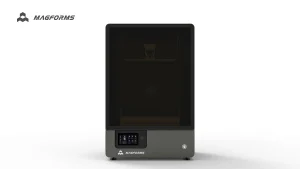
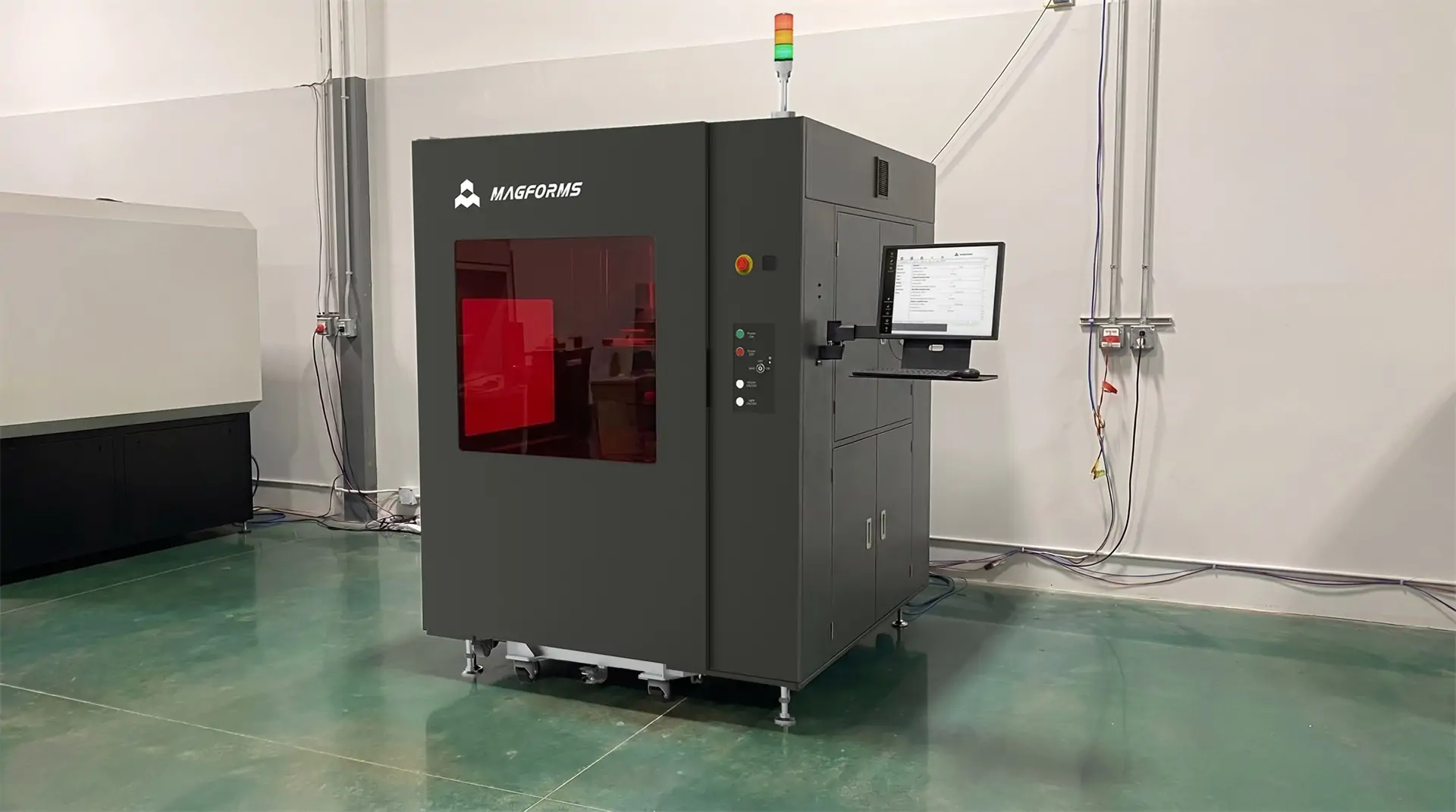
The Helios-P800 Industrial SLA 3D Printer brings together industrial laser scanning technology, large-format printing capability, variable spot technology, and open material compatibility. This combination helps manufacturers build a much more reliable production process for large resin models.
For those who want to understand the core technology, our guide on how SLA 3D printing works explains how a laser cures photopolymer resin layer by layer to produce accurate parts.
How Helios-P800 Improved Film Prop Production
Stable Printing Performance Reduced Production Risks
The first improvement focused on reducing unexpected failures during long printing cycles.
For large film props, printing stability depends on the coordination between the laser system, scanning system, mechanical movement, and resin conditions. Any instability during the process may affect the final quality of the model.
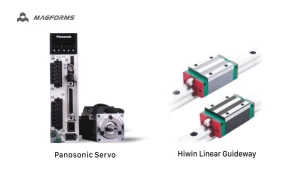
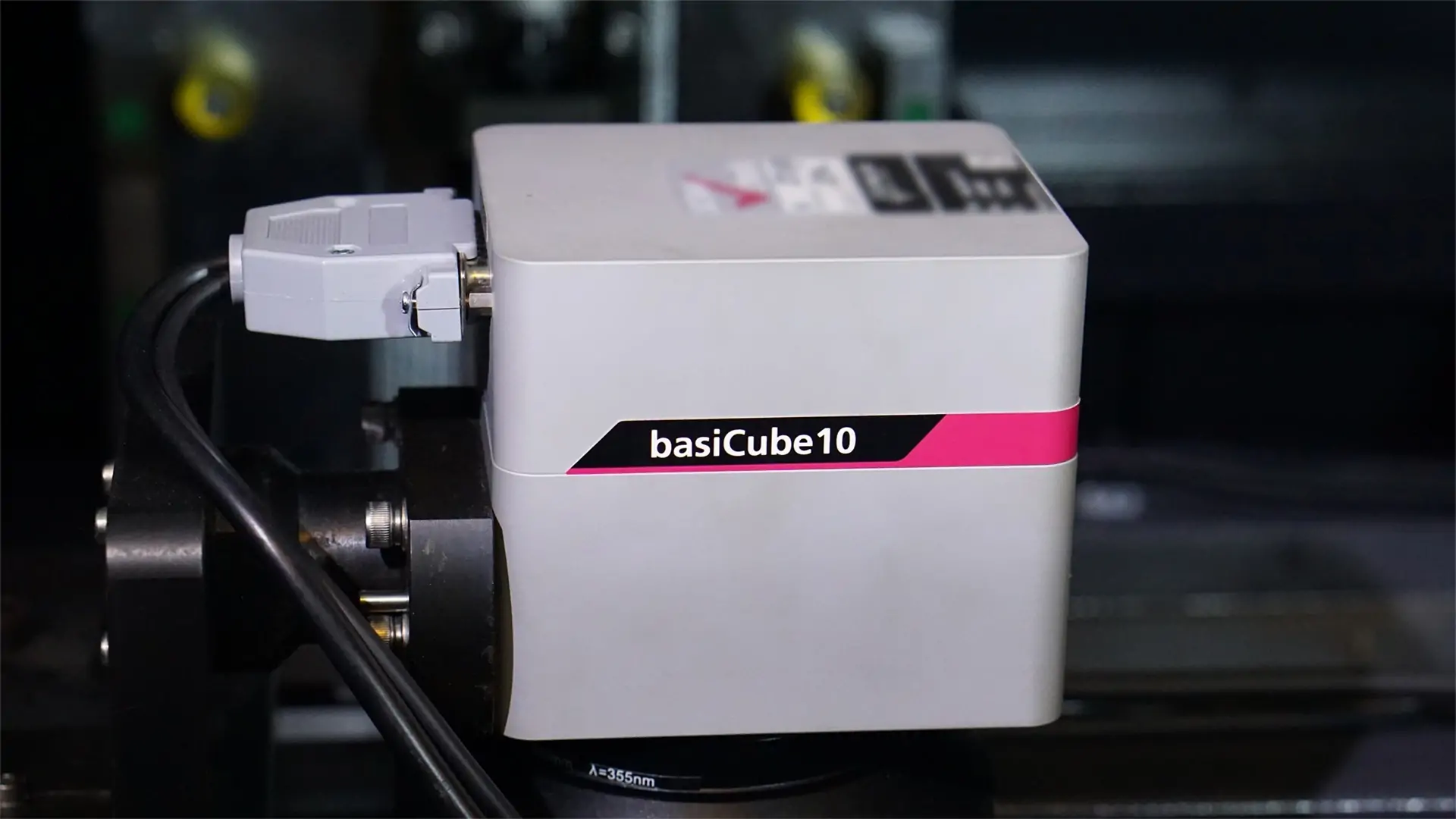
To improve this aspect, Helios-P800 uses an AOC laser source combined with a German Scanlab galvanometer system to maintain consistent laser scanning performance. Panasonic servo motors provide precise motion control, while Schneider electrical components enhance overall equipment reliability.
These industrial-grade components work together to support continuous operation and reduce the risk of interruptions during long production processes.
After applying the new workflow, the manufacturer gained more confidence when handling large and time-sensitive projects because the production process became more predictable.
Large Build Volume Reduced Model Assembly Work
Another important improvement was reducing the need to split oversized props into multiple sections.
Before adopting the new solution, large models often required additional splitting and assembly because of size limitations. Although this approach allowed production to continue, it increased manual work and created extra challenges during surface finishing.
Helios-P800 provides an 800 × 800 × 550mm build volume, allowing larger components to be produced in fewer sections.
For film prop manufacturing, fewer assembly points help achieve:
· Reduced manual finishing work
· More consistent surface quality
· Shorter preparation time before final painting
The large-format capability makes Helios-P800 suitable for applications requiring large-scale resin printing and detailed model production.
Variable Spot Technology Balanced Speed and Surface Detail
During follow-up communication, the manufacturer also mentioned that production efficiency was another important concern.
Large models require fast scanning across wide areas, but detailed surfaces require precise processing. Traditional approaches often require a compromise between speed and detail.
Helios-P800 uses variable spot technology to solve this challenge.
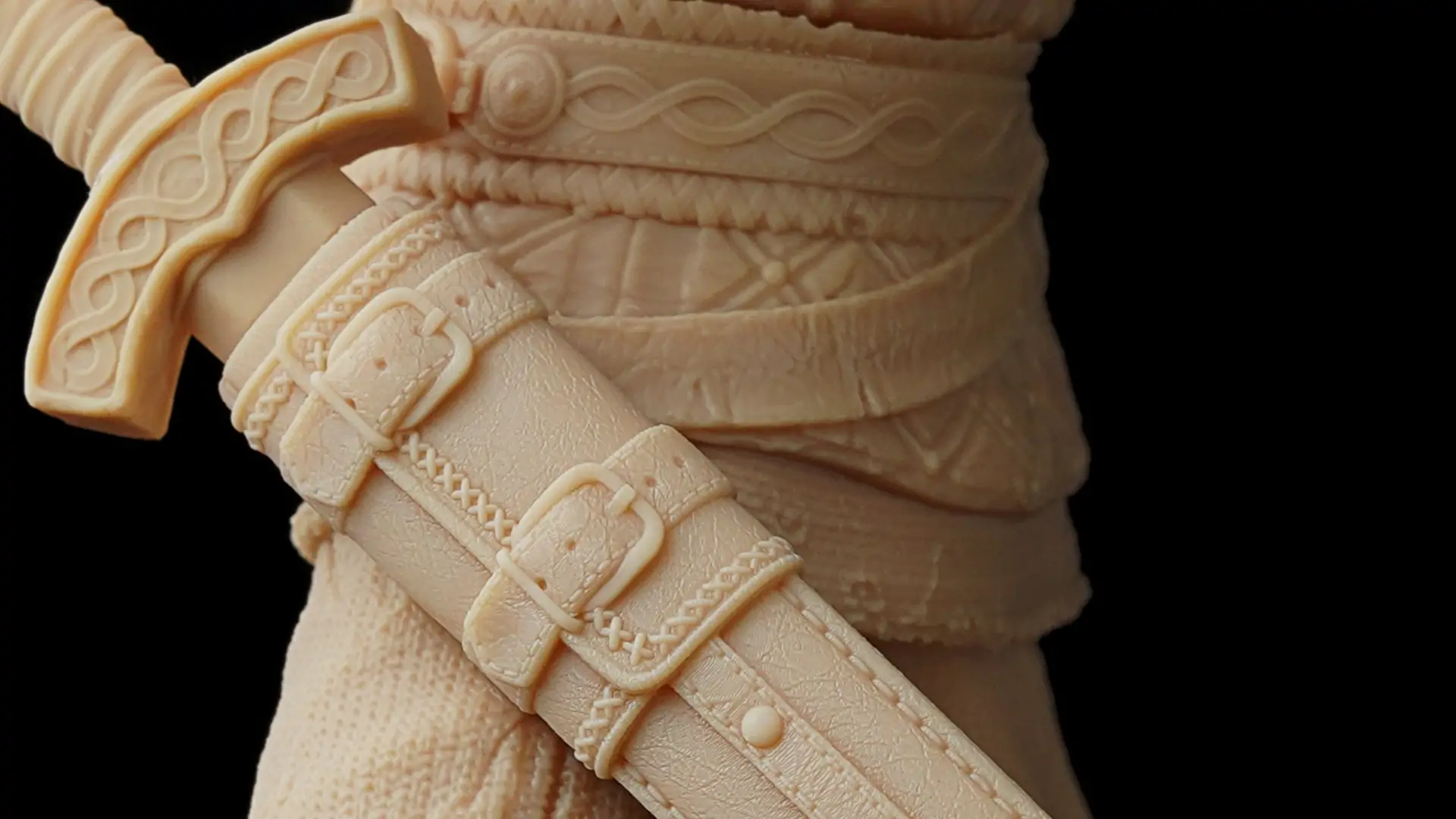
During printing, larger laser spots can be used for filling larger areas to improve efficiency, while smaller 0.15-0.2mm laser spots are used for contours and detailed structures.
This allows the system to adapt scanning strategies according to different model areas.
For film props that require realistic textures and complex details, this technology helps strike a better balance between production speed and visual quality.
Open Material Compatibility Increased Production Flexibility
Material selection was another factor that influenced the manufacturer’s decision.
Different film prop projects may require different resin properties. Some components focus on visual details, while others need improved mechanical performance.
Instead of limiting production to one specific material system, Helios-P800 adopts an open material design and supports various 355nm SLA resin materials.
This allows manufacturers to:
· Continue using suitable existing materials
· Test different resin characteristics
· Develop new applications based on project requirements
For creative industries where every project has unique requirements, this flexibility helps manufacturers adapt their production methods more easily.
For more information about industrial resin printing solutions, visit our Industrial SLA 3D Printer category.
Practical Design Simplified Post-Processing
After printing large resin parts, post-processing efficiency also affects the overall production cycle.
During the printing process, excess resin remaining on the surface of parts can increase cleaning workload. Helios-P800 includes a build platform support design that allows remaining resin to flow back into the resin tank after printing.
This design helps reduce resin residue on printed parts and makes cleaning procedures easier.
For manufacturers producing multiple large models, improving these small workflow details can reduce unnecessary labor and improve overall production efficiency.
Professional Support Helps Maintain Continuous Production
For industrial users, purchasing an Industrial SLA 3D Printer is not only about selecting equipment. Long-term technical support is also an important factor in maintaining stable production.
During discussions, the manufacturer emphasized that fast technical response was important because unexpected equipment issues could affect project schedules.
With professional technical support and responsive service, Helios-P800 helps users maintain a more reliable production workflow after installation.
Customer Results After Using Helios-P800
After implementing the Helios-P800 solution, the manufacturer reported that the biggest improvement was not only better printing quality, but also greater confidence when accepting larger and more complex projects.
Previously, production teams needed to consider the risk of failed large prints and additional assembly work. With a more stable workflow, they could reduce repeated production caused by unexpected failures and focus more on design development, finishing, and project delivery.
The flexibility of using different resin materials also allowed the manufacturer to adjust production methods according to different prop requirements.
For the customer, the value of an Industrial SLA 3D Printer was not only in producing individual models, but also in improving the reliability and flexibility of the entire creative manufacturing process.
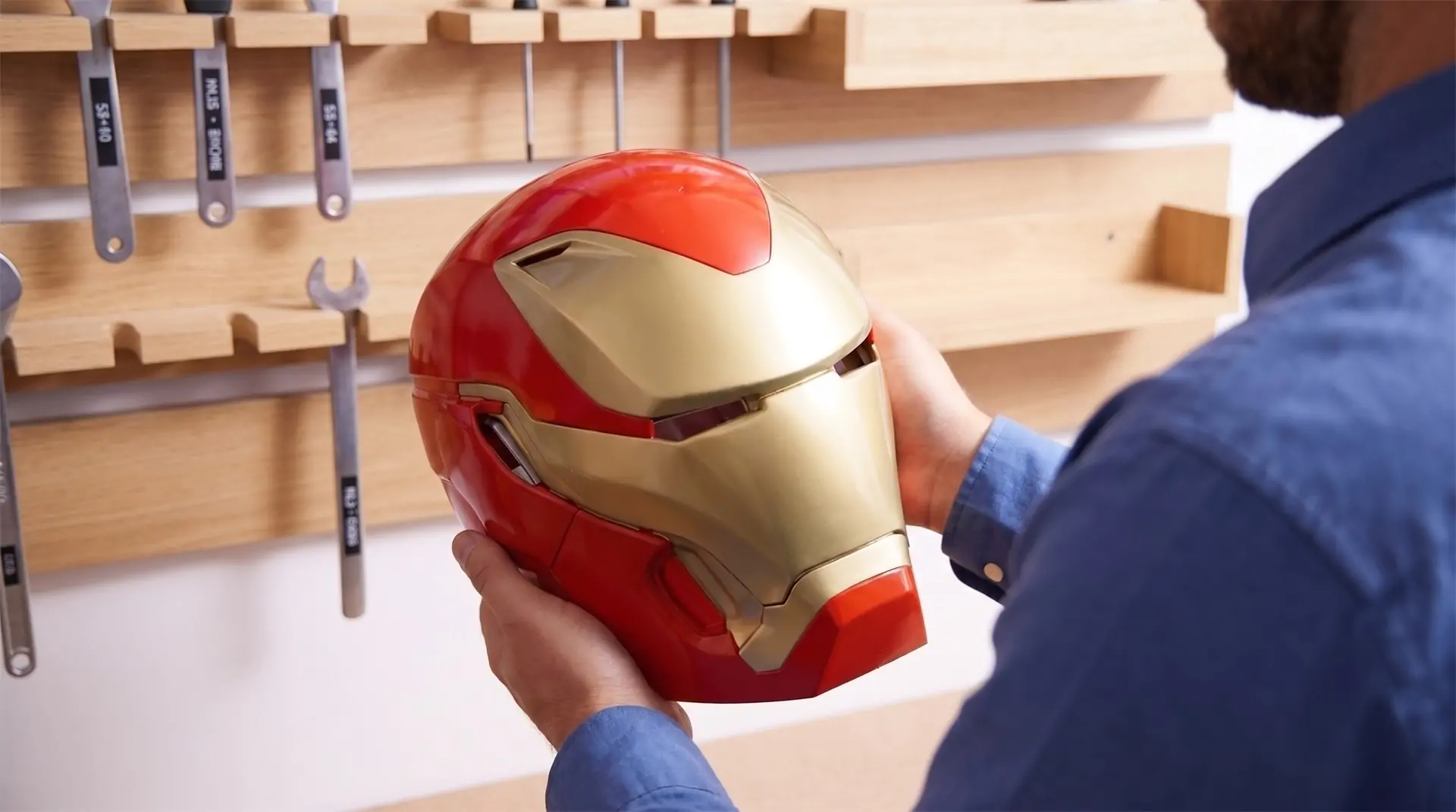
More film prop-related applications can be explored through our SLA 3D printing for film props case studies.
Conclusion: A Reliable Industrial SLA Solution for Large-Scale Resin Printing
For film prop manufacturers producing large and detailed resin models, production challenges often come from maintaining stability, accuracy, material flexibility, and efficiency at the same time.
Helios-P800 provides a complete solution through:
· Industrial-grade laser and motion systems
· Large-format printing capability
· Variable spot scanning technology
· Open material compatibility
· Professional technical support
For companies looking for an SLA printer for film props, the Helios-P800 Industrial SLA 3D Printer provides a reliable approach to improving production stability and creating complex resin parts more efficiently.
To learn more about the Helios-P800 Industrial SLA 3D Printer and its specifications, visit the product page.
FAQ
What is an Industrial SLA 3D Printer?
An Industrial SLA 3D Printer uses laser-based stereolithography technology to cure liquid photopolymer resin layer by layer. It is commonly used for applications requiring high accuracy, smooth surfaces, and complex geometries.
Why is SLA printing stability important?
Stable SLA printing stability helps reduce failed builds, material waste, and production delays, especially when manufacturing large models with long printing cycles.
What applications can Helios-P800 support?
Helios-P800 can support applications including film prop manufacturing, large industrial models, high-precision prototypes, and other projects requiring large-scale resin printing.