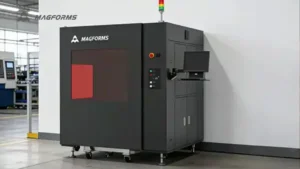
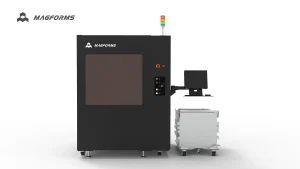
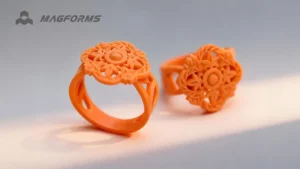
Desktop Stereolithography 3D Printer solutions are increasingly preferred by businesses that require ultra-precise prototyping and smooth surface finishes. By leveraging advanced photopolymerization technology, these compact systems deliver industrial-grade accuracy in office environments.
If your workflow requires high-detail accuracy, tight tolerances, and rapid iteration, desktop SLA printing offers a cost-effective alternative to traditional manufacturing and outsourced prototyping.
What Is a Desktop Stereolithography 3D Printer?
A Desktop Stereolithography 3D printeris a resin-based additive manufacturing system that uses UV light to cure liquid photopolymer into solid parts layer by layer.
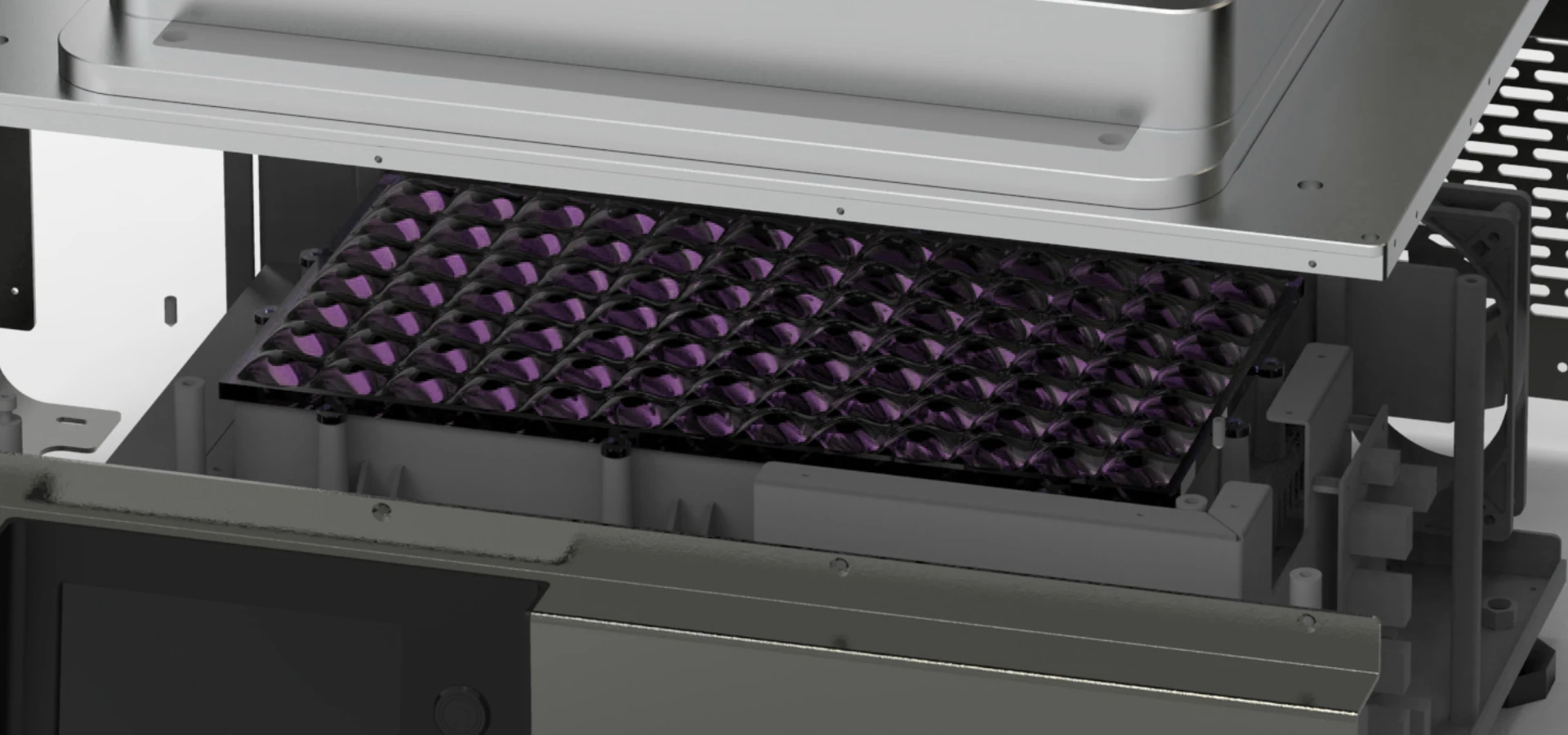
Most modern systems are based on mSLA (LCD masking technology), where each layer is cured simultaneously through a high-resolution LCD screen. This approach improves printing speed while maintaining consistent detail across the entire build platform.
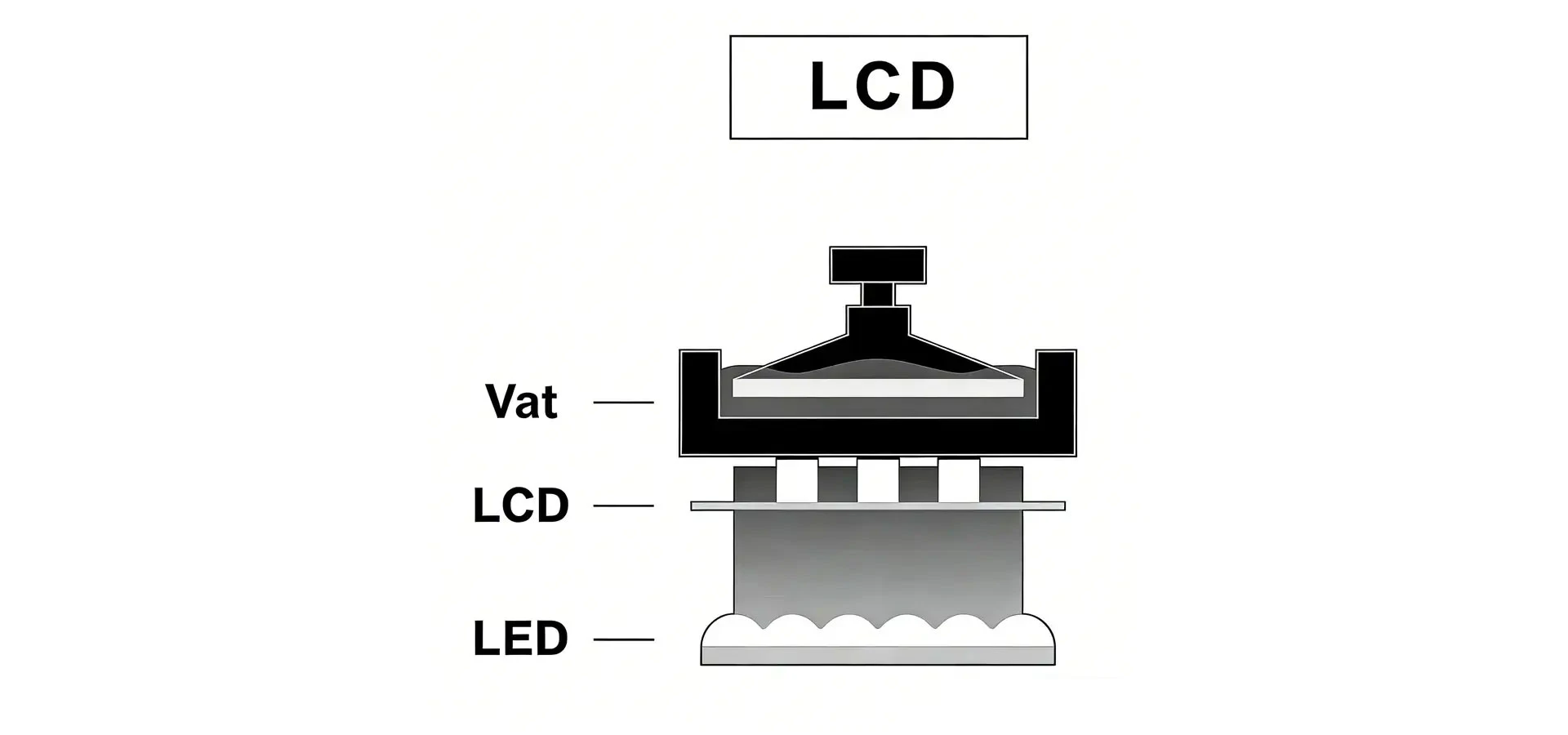
How Desktop SLA Printing Works
The printing process follows three main steps:
- The build platform lowers into a resin vat
- UV light passes through an LCD mask to cure a full layer
- The platform lifts, and the process repeats layer by layer
This method produces parts with high dimensional accuracy and smooth surface finish, while maintaining uniform mechanical properties.
Typical performance range includes:
- XY resolution: 35–90μm
- Layer height: 25–100μm
- Light source: 405nm UV
These capabilities allow accurate reproduction of fine features, sharp edges, and micro-scale details.
Key Benefits of Desktop SLA 3D Printing
Superior Surface Quality
Desktop SLA printers deliver surface finishes close to injection-molded parts, reducing the need for extensive post-processing.
High Precision and Detail
They are well-suited for producing intricate geometries, microstructures, and sharp features that are difficult to achieve with FDM systems.
Office-Friendly Operation
Unlike powder-based systems, SLA printers do not require high-temperature environments or complex material handling, making them suitable for office and lab settings.
Consistent Mechanical Properties
SLA parts maintain strength in all directions, improving reliability for functional testing compared to filament-based printing.
Desktop SLA vs Other 3D Printing Technologies
| Technology | Strengths | Limitations |
| SLA (mSLA/LCD) | High precision, smooth surface | Resin handling required |
| FDM | Low cost, simple operation | Visible layer lines, lower accuracy |
| SLS | Strong parts, no supports needed | Higher cost, complex workflow |
| DLP | Fast curing speed | Less uniform resolution on larger areas |
Materials Supported by Desktop SLA Printers
A wide range of resins supports different application needs:
- Standard resins for visual models
- Engineering resins (ABS-like, PP-like) for functional parts
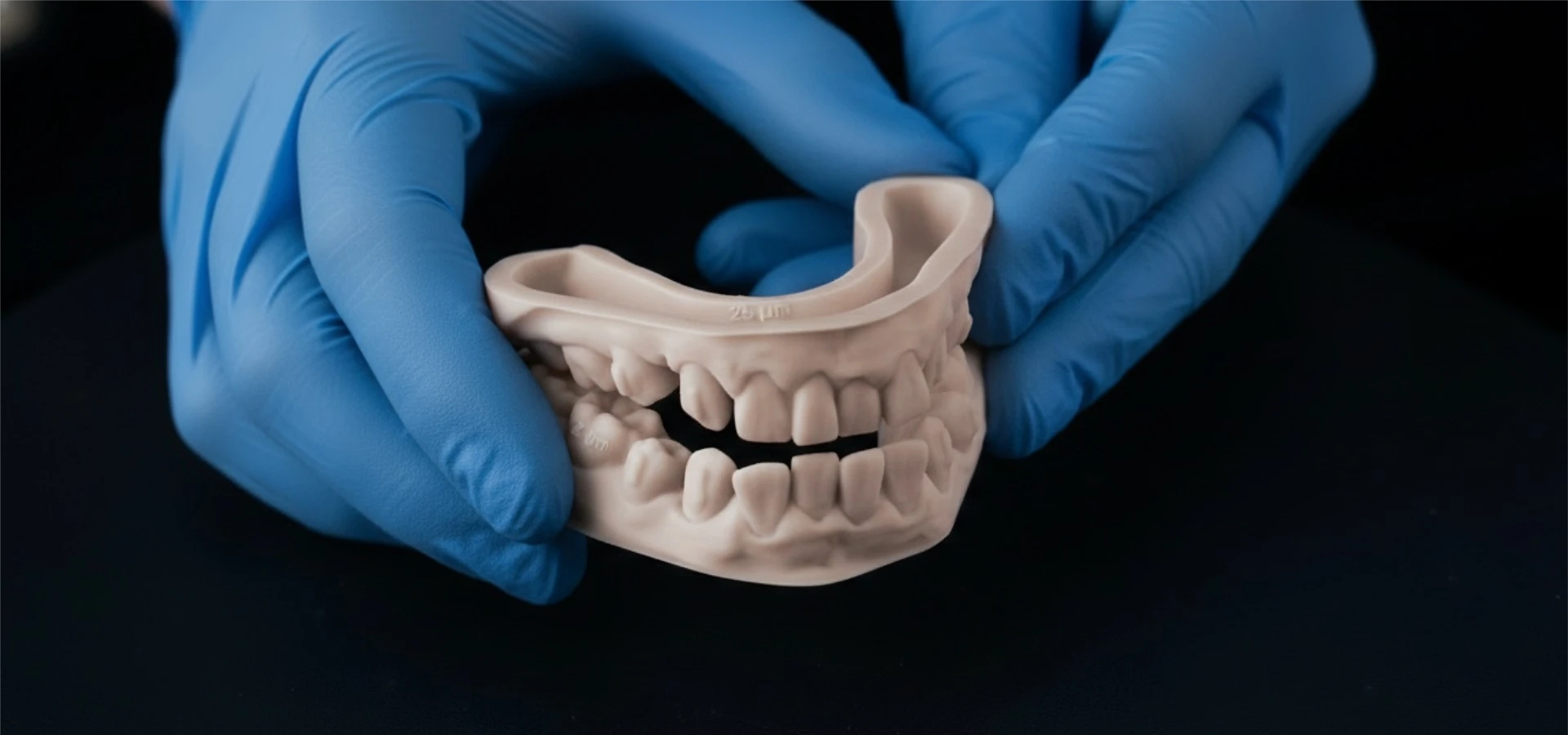
- Biocompatible resins for dental and medical use
- Castable resins for jewelry and mold making
This material flexibility allows both prototyping and limited end-use production.
Applications Across Industries
Desktop SLA technology is commonly used across multiple industries:
- Automotive – precision components and housings
- Aerospace – connectors and lightweight structures
- Medical and dental – surgical guides, aligners, and models
- Consumer electronics – enclosures and functional prototypes
- Jewelry – high-detail casting patterns
How to Choose the Best Desktop SLA Printer
1. Resolution and Accuracy
Look for systems with high-resolution LCD panels and stable light sources to ensure consistent output quality.
2. Build Volume
Select a build size that matches your typical part dimensions and production needs.
3. Material Compatibility
Open-material systems allow more flexibility in resin selection and can help reduce long-term costs.
4. Reliability and Support
Stable hardware and responsive technical support play a key role in minimizing downtime.
Cost and ROI Analysis
A Desktop Stereolithography 3D printer can significantly reduce prototyping costs over time.
Key factors that influence ROI include:
Reduced reliance on outsourcing
Faster design iteration cycles
Lower cost per prototype
In practice, many businesses recover their investment within 12–18 months, depending on usage.
Essential Post-Processing Workflow
To achieve optimal results, SLA printed parts typically require:
Cleaning to remove uncured resin
Drying after washing
UV post-curing to strengthen the material
Proper post-processing ensures better mechanical performance and long-term stability.
Maintenance Best Practices
Maintaining consistent performance requires regular care:
Clean resin vats and optical components
Inspect LCD screens for wear or damage
Maintain stable temperature and low dust conditions
Recalibrate the build platform when needed
Preventive maintenance helps reduce print failures and extends equipment lifespan.
Future Trends in Desktop SLA Technology
Higher Resolution and Speed
Advancements in LCD panels and UV systems continue to improve both print quality and production efficiency.
Smart Manufacturing Integration
Modern systems increasingly support remote monitoring, predictive maintenance, and cloud-based workflow management.
Sustainable Materials
Eco-friendly resins and improved material recycling processes are becoming more widely adopted across the industry.
Why Choose a Desktop SLA Printer for Your Business?
A Desktop Stereolithography 3D printer offers a strong balance of precision, efficiency, and accessibility. It enables rapid prototyping, supports complex geometries, and delivers consistent, high-quality results without requiring large industrial equipment.
For companies looking to accelerate product development while maintaining quality, desktop SLA is a practical and scalable solution.
FAQ
Is a desktop SLA printer suitable for professional use?
Yes. Modern desktop systems provide the precision and reliability required for engineering, dental, and manufacturing applications.
What is the difference between SLA and mSLA?
mSLA uses an LCD screen to cure entire layers simultaneously, making it faster and more efficient than laser-based SLA systems.
Are SLA printed parts durable?
With engineering-grade resins, SLA parts can achieve improved strength, flexibility, and impact resistance.
What safety precautions are required?
Proper handling includes using gloves, eye protection, and adequate ventilation when working with liquid resin.