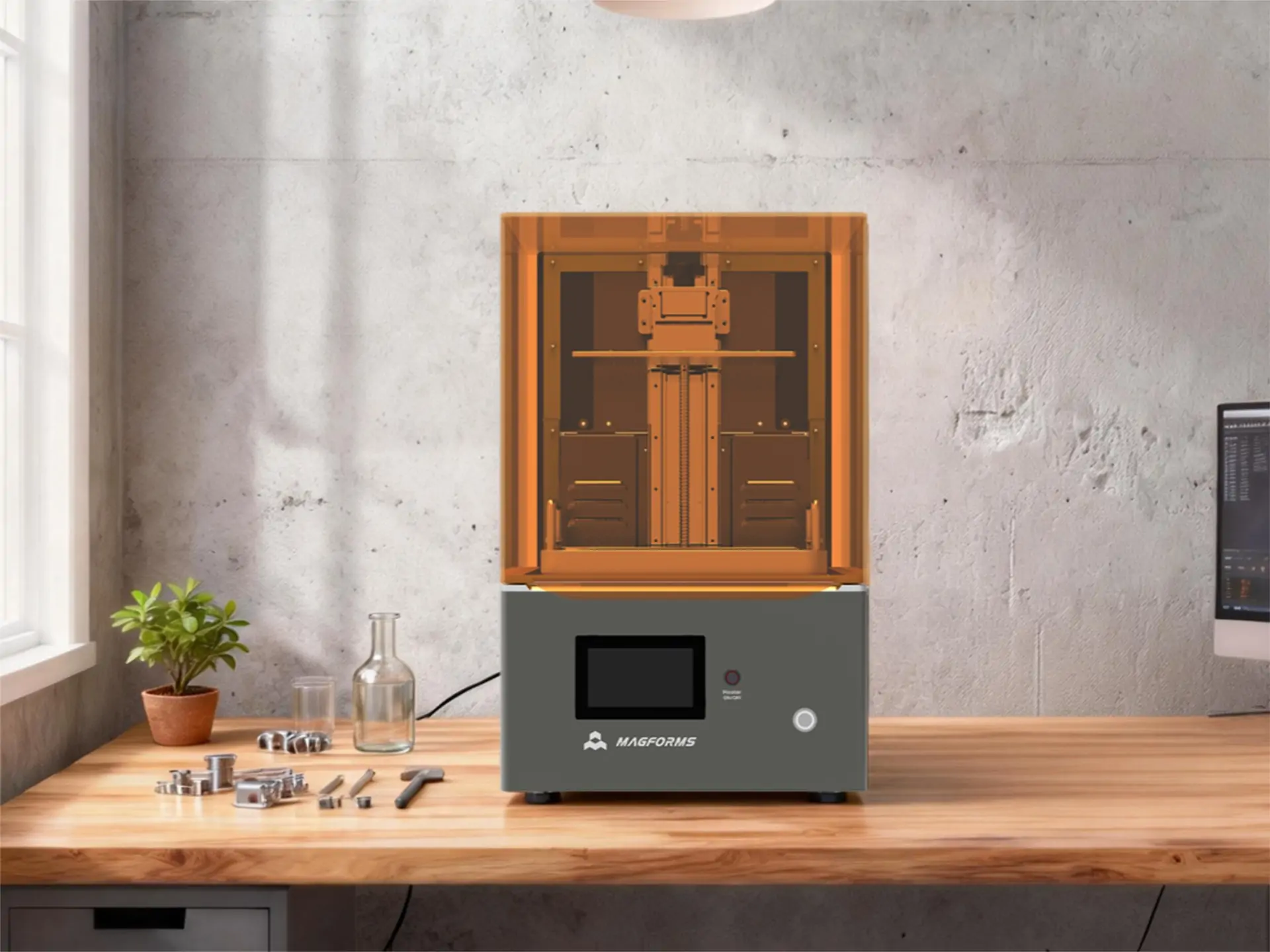
Magforms P10 Pro high-resolution Resin 3D Printer offers an XY resolution of 14.85μm, a generous 228 × 128 × 250 mm build volume, and a success rate consistently above 99%. Designed as an industrial-grade 3D printer, it delivers stable performance in demanding production environments and functions as a high-performance Resin Printer for both prototyping and batch manufacturing. When a European producer of collectible figurines saw the machine in action during an unannounced visit, they placed a trial order within 48 hours and began replacing their existing systems the following month.
For studios specializing in high-detail miniatures such as fantasy characters, scale models, and jewelry prototypes, surface quality is non-negotiable. A common complaint with many resin 3D printers in the 10-inch class is the appearance of pixel lines and inconsistent layer textures, especially on complex organic shapes. Even when specifications promise high resolution, real-world output often falls short due to uneven light distribution, unstable Z-axis motion, or thermal drift during long prints. As a result, many manufacturers still rely on expensive Stereolithography 3D Printer systems or multiple smaller resin printers to keep up with demand, sacrificing efficiency and consistency in the process.
Markus, the production lead at a well-established miniatures studio in Central Europe, knew these limitations all too well. His team had been struggling with inconsistent results from their existing 3D printers, where delicate features like engraved runes, fine chainmail, and dragon scales appeared blurred or deformed. To meet deadlines, they attempted to split large models across several resin printers, but this introduced assembly seams and dimensional mismatches, increasing post-processing time. With a major product launch approaching, Markus needed a 3D printer for rapid prototyping that could deliver both speed and precision without compromise.
Late one evening, he discovered the Magforms P10 Pro, a next-generation resin 3D printer positioned as an alternative to traditional stereolithography 3D printers. The stated pixel pitch of 29.7μm and grayscale pixel control, achieving an effective 14.85μm resolution, immediately stood out. Unlike typical marketing claims, user discussions and sample prints showed surfaces free of visible voxel lines. The 250 mm build height also meant he could produce full assemblies in a single run, while the integrated heated chamber eliminated the need for manual resin pre-heating. Instead of requesting samples, Markus booked a flight the next morning and arrived with a USB drive of test files.
At the showroom, Markus went straight to the P10 Pro and requested a live print using one of his most challenging models. This industrial resin printer was set to print at 0.05 mm layer height using a pre-configured material profile. As the job began, the system demonstrated the characteristics expected from a high-end 3D printer: smooth Z-axis motion with twin linear guides maintaining 7μm parallelism, stable LED temperature controlled by a copper cooling system, and a flatness tolerance of ±0.02 mm across the build platform. The enclosed air filtration system also ensured minimal resin odor during operation.
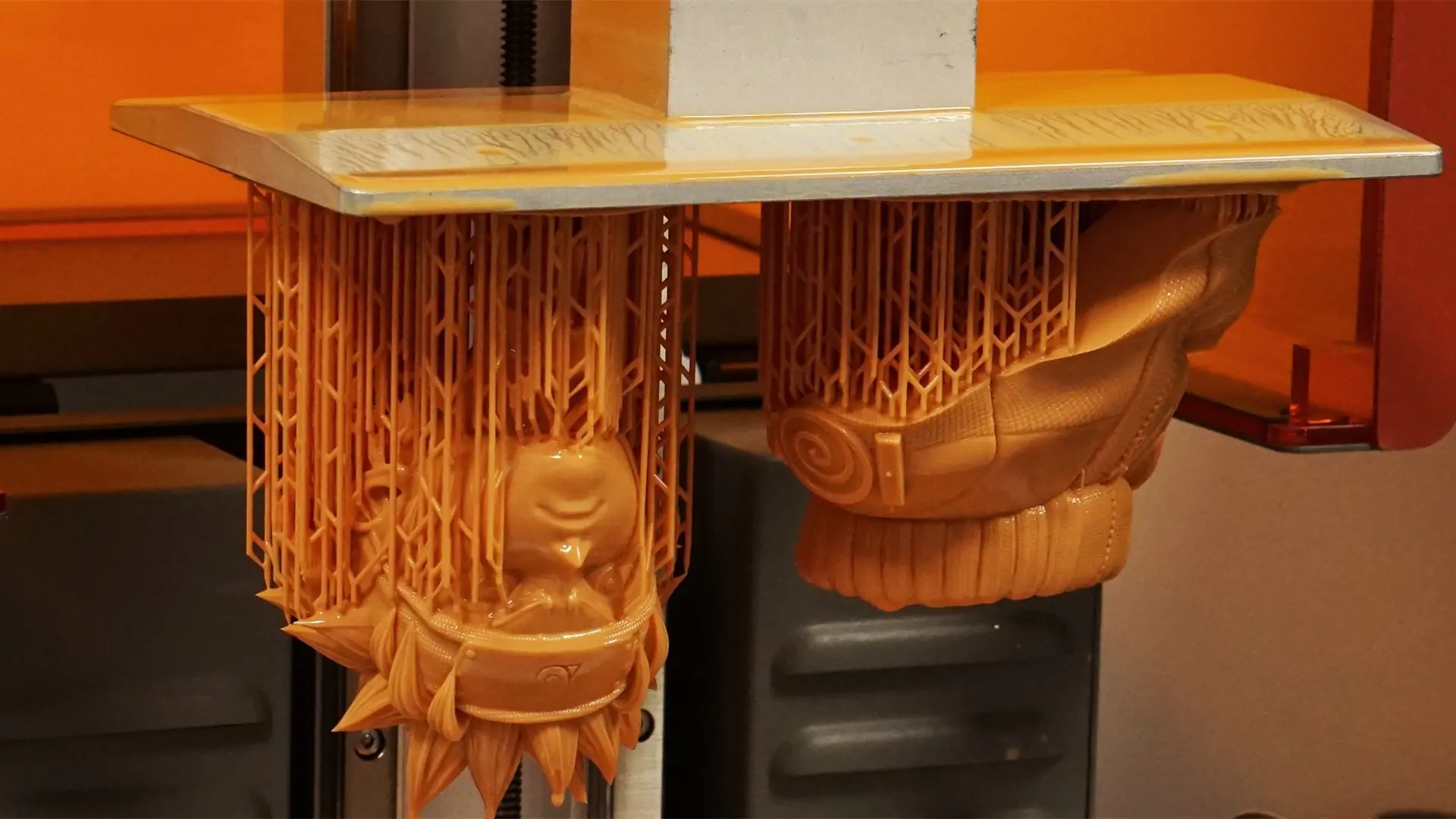
When the print finished, Markus examined the model under inspection lighting. The results exceeded what he had seen from most resin 3D printers and even rivaled outputs from some stereolithography 3D printer systems. Fine textures were crisp, chainmail patterns were fully resolved, and there were no visible pixel stepping artifacts on curved surfaces. He immediately initiated another test using a full-build platform dragon model. At a coarser 0.2 mm layer height, the 250 mm tall part completed in under three hours, demonstrating that this 3D printer for rapid prototyping could handle both speed and detail simultaneously.
Back at his studio, the impact of integrating the P10 Pro into their workflow was immediate. The machine arrived ready for production, with material parameter packs enabling seamless switching between engineering resins and castable materials. Unlike their previous resin printers, the heated chamber maintained stable conditions regardless of ambient temperature, eliminating the need for external resin warmers. Within two weeks, the failure rate dropped from approximately 20% to under 1%, while dimensional accuracy stayed within 0.05 mm, making it a reliable 3D printer for rapid prototyping and precision manufacturing.
With the P10 Pro handling all high-detail components, the studio reallocated its existing stereolithography 3D printer systems to larger, less detailed parts. This shift increased overall production capacity by 30%. They also began accepting projects involving ultra-thin components below 0.5 mm thickness, which many traditional 3D printers could not produce reliably. The ability to store files in internal memory and run offline further streamlined operations, reducing dependency on external systems and improving workflow efficiency.
Six months later, the studio expanded its fleet with additional units, standardizing on the Magforms P10 Pro as its primary resin 3D printer platform. According to Markus, the consistency and reliability surpassed anything they had previously experienced within this price range. The machine not only restored production confidence but also enabled them to explore more complex and high-value designs that were previously considered too risky.
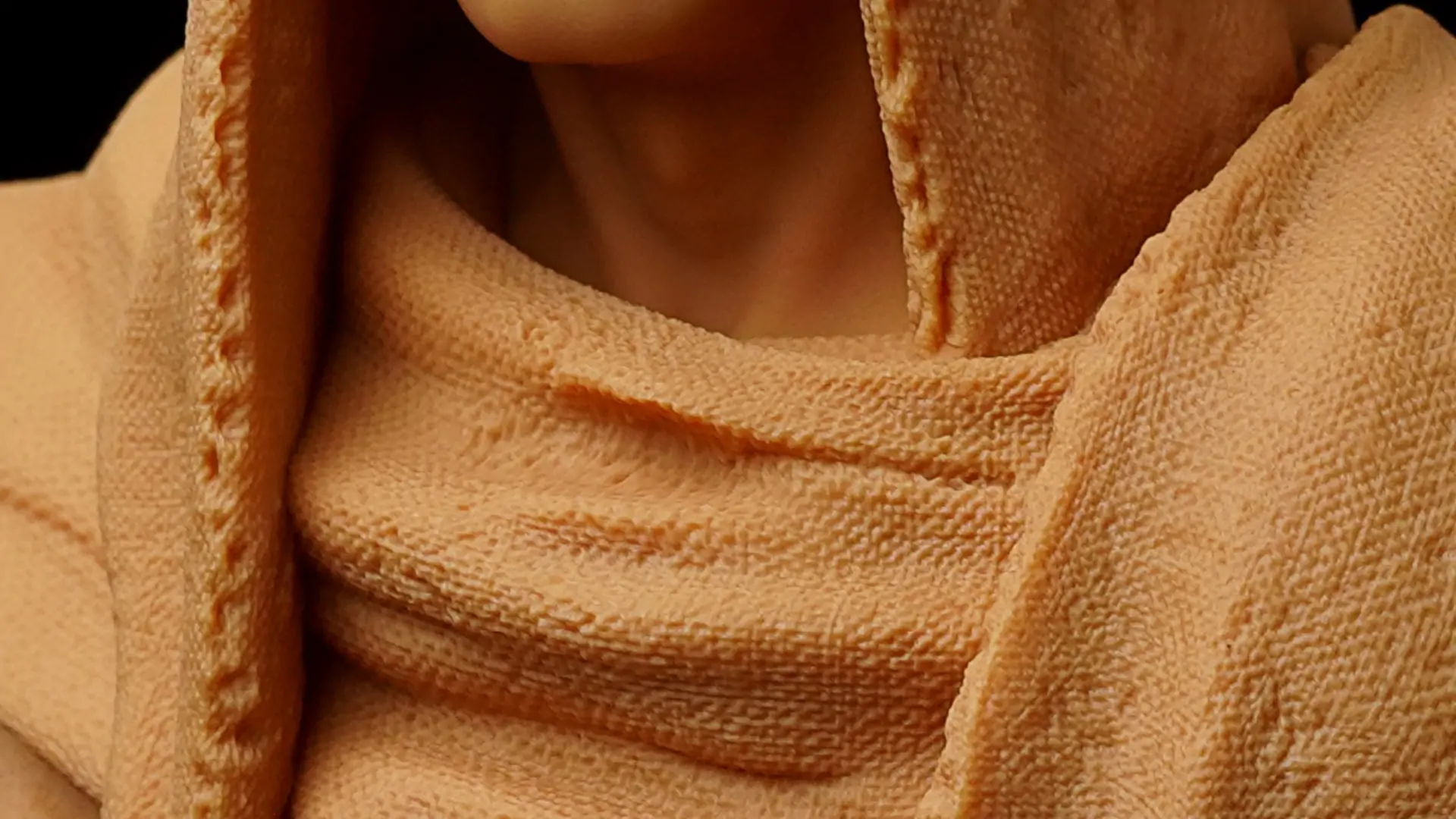
If you are facing limitations with conventional resin printers, struggling with inconsistent results, or relying on outdated stereolithography 3D printer systems that slow down production, the Magforms P10 Pro offers a compelling upgrade. As a modern 3D printer for rapid prototyping and high-precision manufacturing, it combines advanced light engine technology, thermal stability, and precision motion control into a single, efficient platform. Whether your focus is miniatures, dental models, or jewelry prototyping, this resin 3D printer enables larger builds, finer detail, and significantly higher success rates.