By 2026, industrial 3D printing is no longer just a prototyping tool—it has become a core production technology. Additive manufacturing is now deeply embedded in real manufacturing workflows, enabling companies to produce parts with a level of precision, consistency, and flexibility that traditional methods struggle to match.
Today’s industrial 3D printer landscape includes multiple mature technologies such as SLA, FDM, and SLS, along with hybrid systems that combine different processes within a single platform. This diversity gives buyers more freedom—but also makes decision-making more complex.

Understanding Industrial 3D Printing Technologies
Industrial additive manufacturing differs significantly from desktop-level printing. These systems rely on advanced engineering principles to convert CAD designs into physical components with high-dimensional accuracy and material performance.
Core Technologies Behind Industrial Applications
Modern industrial printing is driven by several key technologies, each suited to specific use cases.
SLA (stereolithography) systems excel in ultra-high precision applications where surface finish and fine detail matter. They are widely used in the dental, jewelry, and precision tooling industries. With layer thicknesses as low as 10 microns, SLA systems can often produce parts that require little to no post-processing.
FDM technology has also evolved significantly. Industrial-grade FDM printers now feature heated chambers, dual extrusion, and advanced material handling. These machines support engineering thermoplastics such as carbon fiber composites and high-temperature polymers. Dimensional accuracy typically reaches around 0.1 mm, with large build volumes exceeding 1000 mm.
Material Innovation and Compatibility
Material selection directly impacts part performance, durability, and production cost.
Industrial platforms increasingly support a wide range of materials, including rigid resins, flexible elastomers, and high-performance thermoplastics. Open material systems are especially valuable, as they eliminate vendor lock-in and allow more flexible sourcing strategies.
Different applications require different material properties:
- Biocompatible resins for medical use
- Heat-resistant polymers for automotive parts
- Transparent materials for optical components
Understanding mechanical properties such as tensile strength, heat resistance, and chemical stability is essential when selecting materials for demanding environments.
How to Choose the Right Industrial 3D Printer
Selecting the right system requires balancing technical requirements with long-term operational goals.
Key Technology Comparison
| Technology | Best Use | Accuracy | Material |
| SLA 3D printer | High-precision parts | 10–50 microns | Photopolymer resin |
| FDM 3D printer | Functional prototypes | 100–300 microns | Thermoplastics |
| SLS 3D printer | Durable functional parts | 80–120 microns | Nylon powder |
Defining Critical Performance Parameters
Print resolution and dimensional accuracy directly affect final part quality. High-end systems typically achieve XY accuracy within 0.05 mm, with adjustable layer heights ranging from 10 to 300 microns.
Build volume should be evaluated based on production needs. Large-format machines enable single-piece manufacturing, while smaller systems are more efficient for batch production.
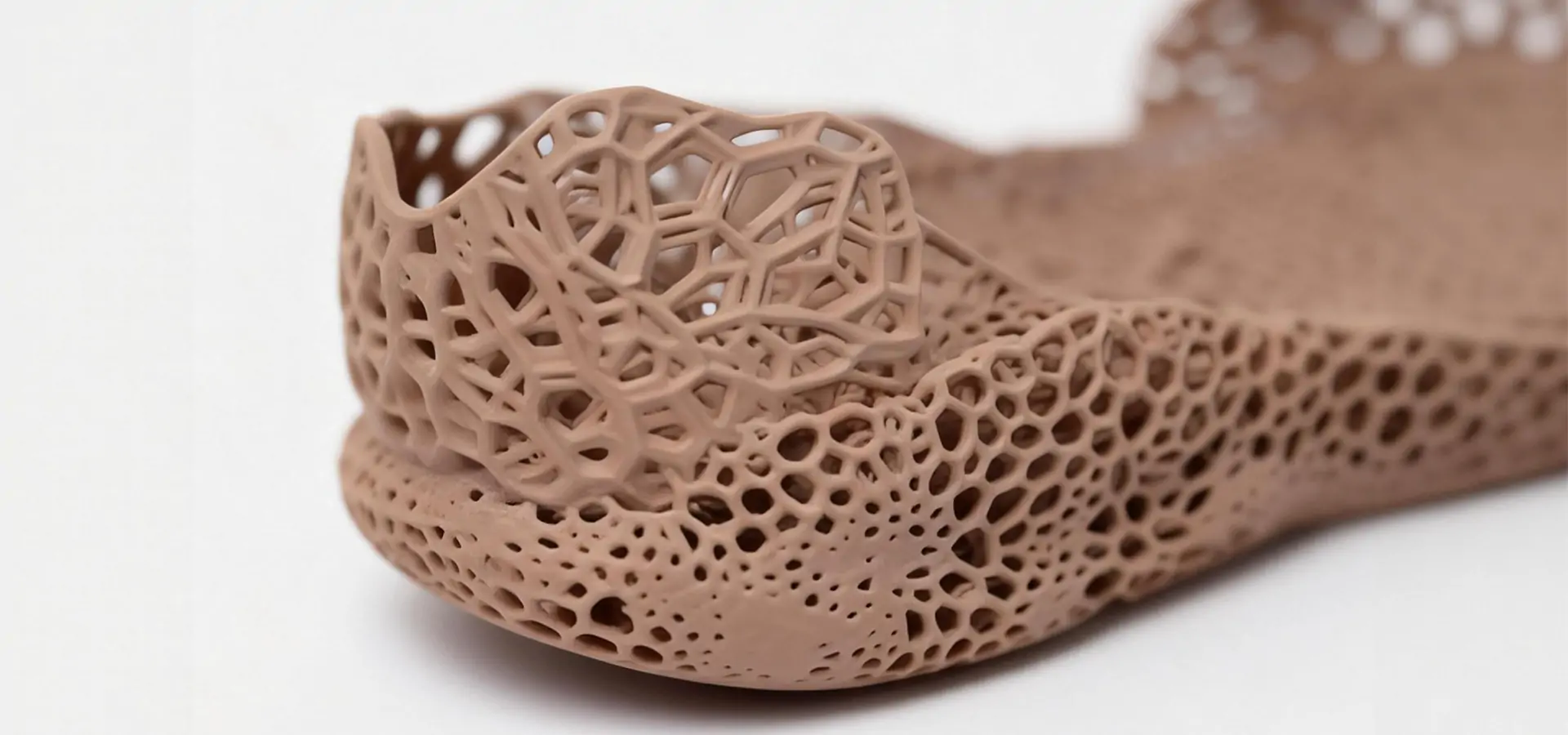
Recent advancements, such as variable spot-size lasers and intelligent scanning strategies, have significantly improved efficiency. Some platforms now use machine learning to automatically optimize print parameters, increasing speed by up to 30–50% without sacrificing precision.
Evaluating Vendor Support and Reliability
Choosing a supplier is about more than hardware specifications.
- Strong vendors provide:
- 24/7 remote diagnostics
- Fast-response field service
Structured training programs
Reliable technical support becomes critical during production ramp-up and daily operations. Fast response times help minimize downtime and protect production schedules.
Performance Optimization and Common Challenges
Industrial 3D printing requires a balance between speed, accuracy, and reliability.
Resolution vs Speed
Modern systems use adaptive strategies such as variable laser spot sizes—larger spots for fast infill and smaller spots for fine surface details. This approach maintains quality while improving throughput.
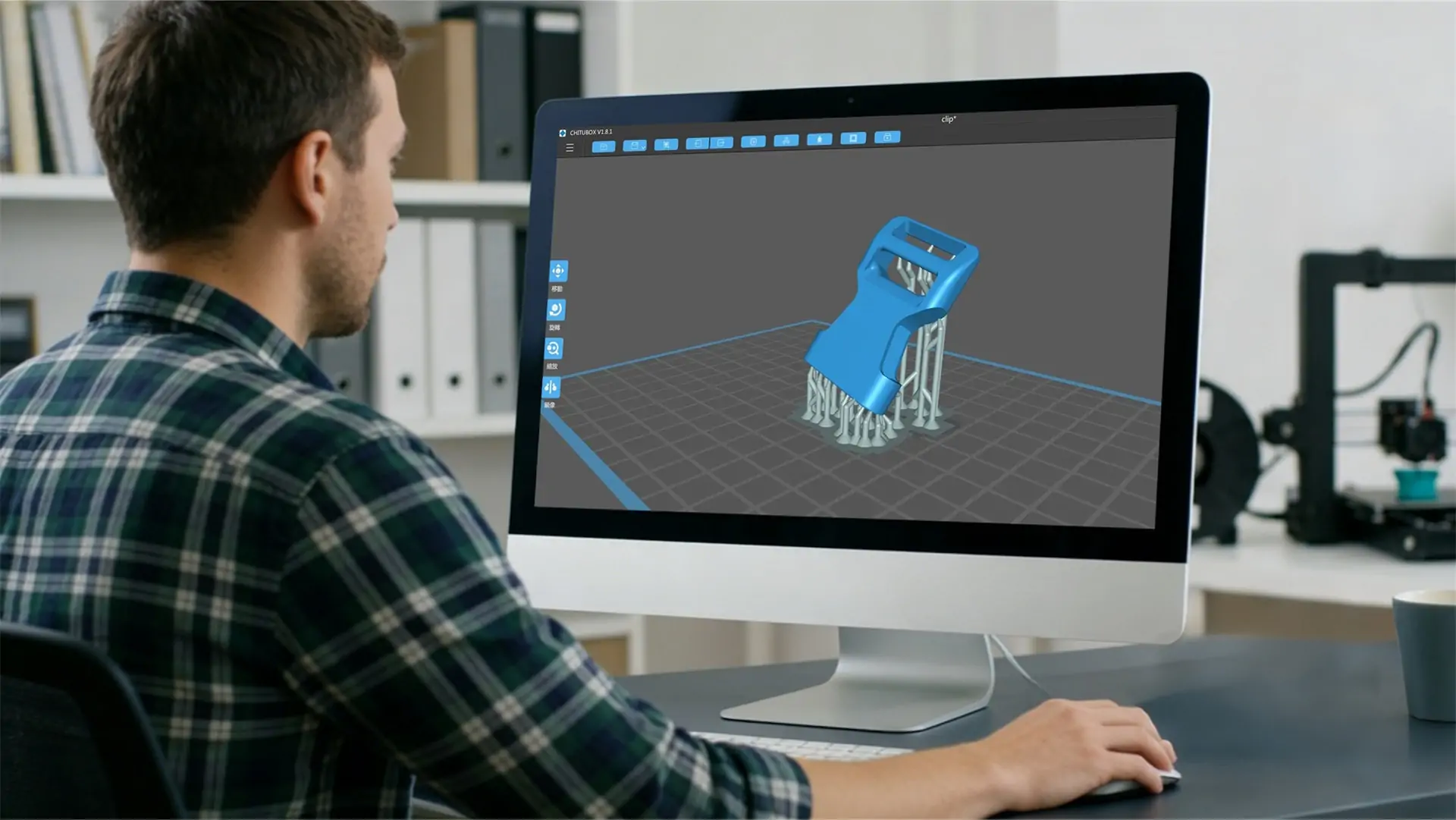
Advanced slicing software automatically adjusts parameters based on geometry and material properties, reducing manual intervention and improving success rates.
Maintenance and Troubleshooting
Consistent output requires structured maintenance.
Typical schedules include:
- Daily cleaning
- Weekly calibration
- Monthly inspections
- Quarterly servicing
Common issues include layer adhesion problems, support structure failures, and material handling challenges. Modern machines often include real-time monitoring systems that detect and correct issues automatically.
Software Integration and Workflow Efficiency
Industrial 3D printing is supported by increasingly sophisticated software ecosystems.
Slicing and Production Management
Professional slicing tools now use AI algorithms to optimize:
- Part orientation
- Support structures
- Print parameters
These systems improve efficiency while reducing human error.
Workflow integration also enables seamless data transfer between CAD, CAM, and ERP systems, improving collaboration and production visibility.
Industry 4.0 and Smart Manufacturing
With IoT connectivity and data analytics, 3D printing is becoming part of a fully digital manufacturing environment.
Modern platforms support:
- Remote monitoring
- Predictive maintenance
- Automated quality control
Data-driven insights help optimize performance, reduce waste, and improve overall productivity.
Cost Analysis and Procurement Strategy
Understanding the total cost of ownership (TCO) is essential when investing in industrial 3D printers.
Cost Breakdown
Entry-level industrial systems typically range from $15,000 to $50,000, while high-end large-format systems can exceed $200,000.
Ongoing costs include:
- Materials
- Spare parts
- Maintenance
Open material compatibility can significantly reduce long-term expenses.
Supplier Selection Strategy
When evaluating suppliers, consider:
- Technical capability
- Service infrastructure
- Long-term stability
Negotiation strategies should include service packages, training, and extended support agreements. Leasing and financing options can also improve cash flow management.
Conclusion
Industrial 3D printing in 2026 is redefining how products are designed and manufactured. With the right strategy, businesses can achieve higher efficiency, lower costs, and greater flexibility.
Choosing the right 3D printer requires a clear understanding of technology, materials, and operational needs. Companies that make informed decisions today will be better positioned to scale and innovate in the future.
FAQ
What is the difference between SLA and FDM for industrial use?
SLA printers are ideal for high-detail applications requiring smooth surfaces and tight tolerances. FDM printers are better suited for functional parts that require strength and thermal resistance.
How often should maintenance be performed?
Daily cleaning, weekly calibration, monthly inspection, and quarterly servicing are recommended for optimal performance.
Can 3D printing integrate with CNC workflows?
Yes. Hybrid manufacturing workflows combining additive and subtractive processes are increasingly common, especially for parts requiring high precision in critical areas.