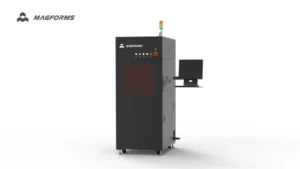
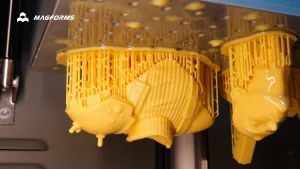
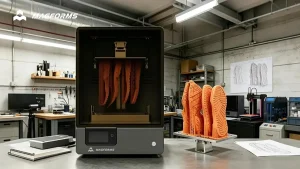
Choosing the right type of resin for your application and equipment is essential for the success of stereolithography printing. Standard photopolymer resins are widely used for testing and creating visual models, while engineering-grade materials provide the mechanical properties required for functional parts. Medical applications rely on specialized safe resins, and jewelry manufacturing commonly uses castable resin formulations. When the resin’s curing behavior, viscosity, and mechanical characteristics match production needs and post-processing capabilities, an SLA printer can perform at its best.
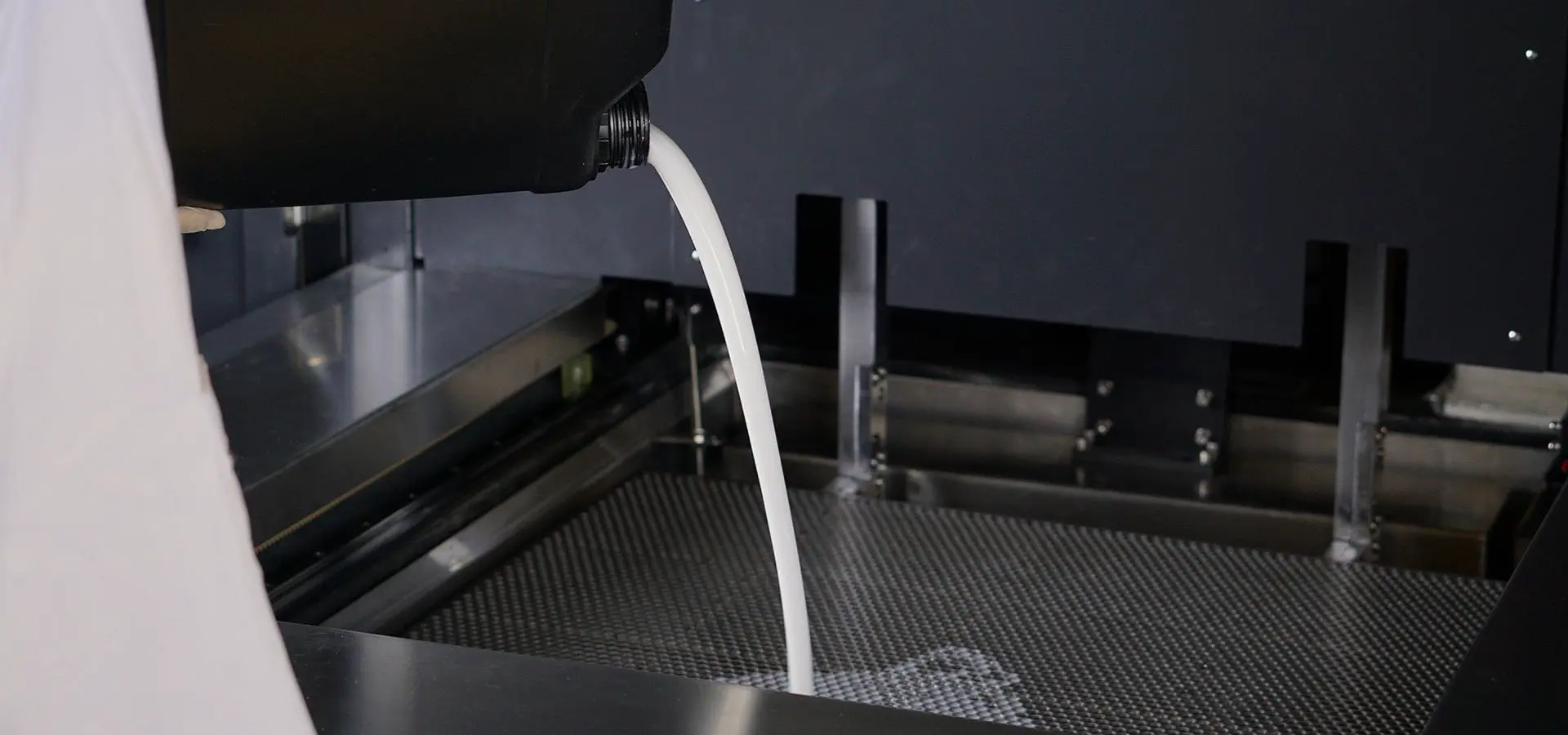
Understanding Resin Types for SLA Printer Success
The resin selected for an SLA printer plays a crucial role in determining print quality, mechanical performance, and suitability for different applications. Photopolymerization technology uses controlled UV light to transform liquid photopolymer resin into solid parts layer by layer. Selecting the appropriate material is important for achieving reliable and consistent results.
Fundamental Categories of SLA Resins
Standard photopolymer resins are the most common materials used in stereolithography printing. These materials produce very smooth surface finishes, and modern equipment can achieve layer resolutions as fine as 25 microns. Standard resins typically cure in about 8 to 12 seconds per layer, making them suitable for rapid prototyping where appearance accuracy is more important than real-world mechanical performance.
Engineering resins include specialized additives and chemical formulations that improve mechanical properties compared with standard materials. High-temperature versions can maintain their shape at temperatures above 200 °C, while impact-resistant versions may reach tensile strengths comparable to injection-molded ABS plastic. To achieve the best mechanical performance, exposure parameters often need adjustment and post-curing times may need to be extended.
Critical Resin Properties Affecting Print Quality
Viscosity levels have a significant influence on printing success and surface quality when using an SLA printer. Low-viscosity resins (below 500 cP) flow easily during printing, reducing the risk of missing layers and helping reproduce fine details. However, materials that are too fluid may cause small features to merge together, which can reduce dimensional accuracy in very small geometries.
Shrinkage also directly affects dimensional accuracy and the tendency of printed parts to warp. Standard materials may shrink by up to 6% during curing, while high-quality industrial resins usually shrink between 2% and 4%. Understanding these characteristics allows operators to compensate for dimensional changes by adjusting design tolerances and optimizing support structures.
Curing speed compatibility with specific wavelength outputs ensures strong layer bonding and prevents under-curing problems. Modern industrial SLA printers use LED arrays or laser light sources, so materials must be formulated to absorb these wavelengths effectively. If spectral compatibility is poor, polymerization may remain incomplete and mechanical performance can decline.
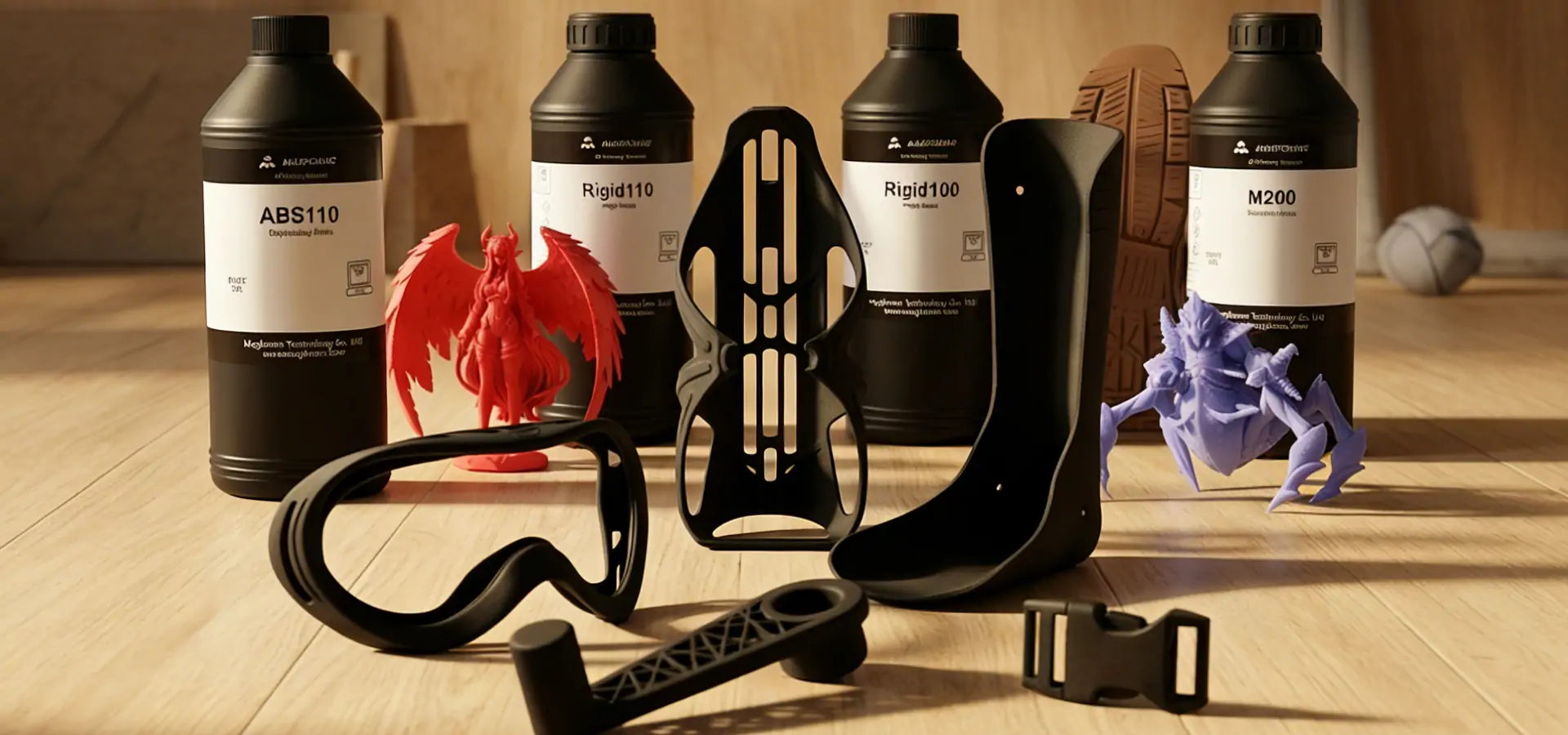
Evaluating Resin Types Based on Application Needs
Selecting the correct resin depends largely on how the printed parts will be used and the performance requirements involved. Different industries rely on materials that meet specific functional needs and regulatory standards.
Standard Resins for Prototyping Applications
Standard photopolymer materials are ideal for rapid product development where visual appearance and dimensional verification are more important than mechanical strength. These resins cure reliably under various environmental conditions and work well with both entry-level and advanced SLA printers.
Standard materials also require relatively simple post-processing. Their smooth surface finish often reduces the need for extensive finishing work, helping shorten production time and reduce labor costs.
Automotive design teams frequently use standard resins for interior component prototypes and concept models. These materials accurately reproduce surface textures and complex geometries, allowing design teams to evaluate form and fit before investing in expensive tooling.
Engineering Resins for Functional Applications
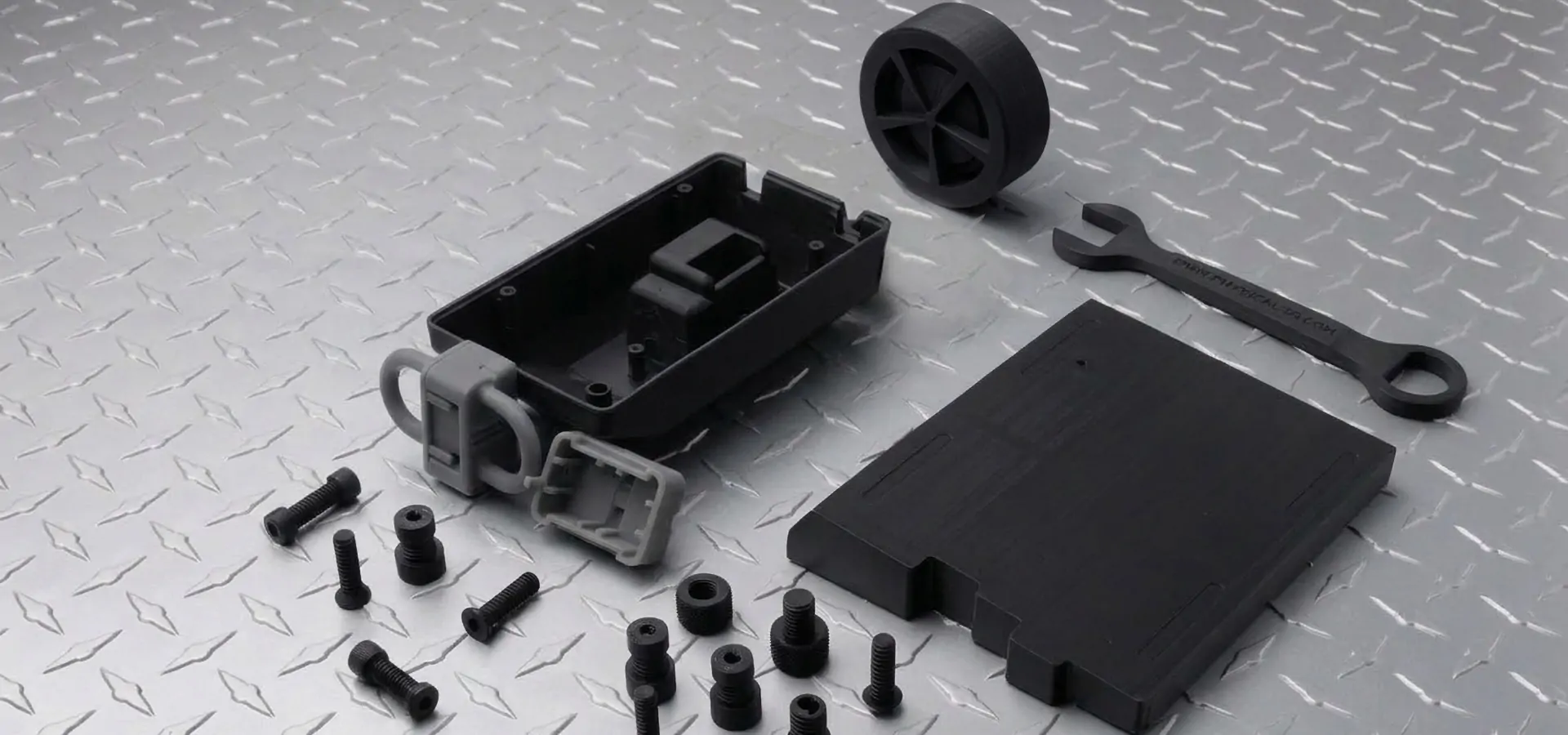
Engineering-grade materials provide the mechanical performance required for functional testing and end-use components. High-impact formulations can withstand repeated stress cycles and outdoor durability testing, making them useful for evaluating consumer products and automotive components.
Heat-resistant versions maintain dimensional stability at elevated temperatures, which makes them suitable for aerospace applications and automotive under-hood environments.
Tough resin formulations offer flexibility and improved impact resistance similar to thermoplastic materials such as polypropylene. These characteristics allow engineering resins to be used for snap-fit systems, live hinges, and parts that must bend without breaking.
Specialized Resins for Niche Markets
Certain industries require highly specialized resin materials when working with an SLA printer.
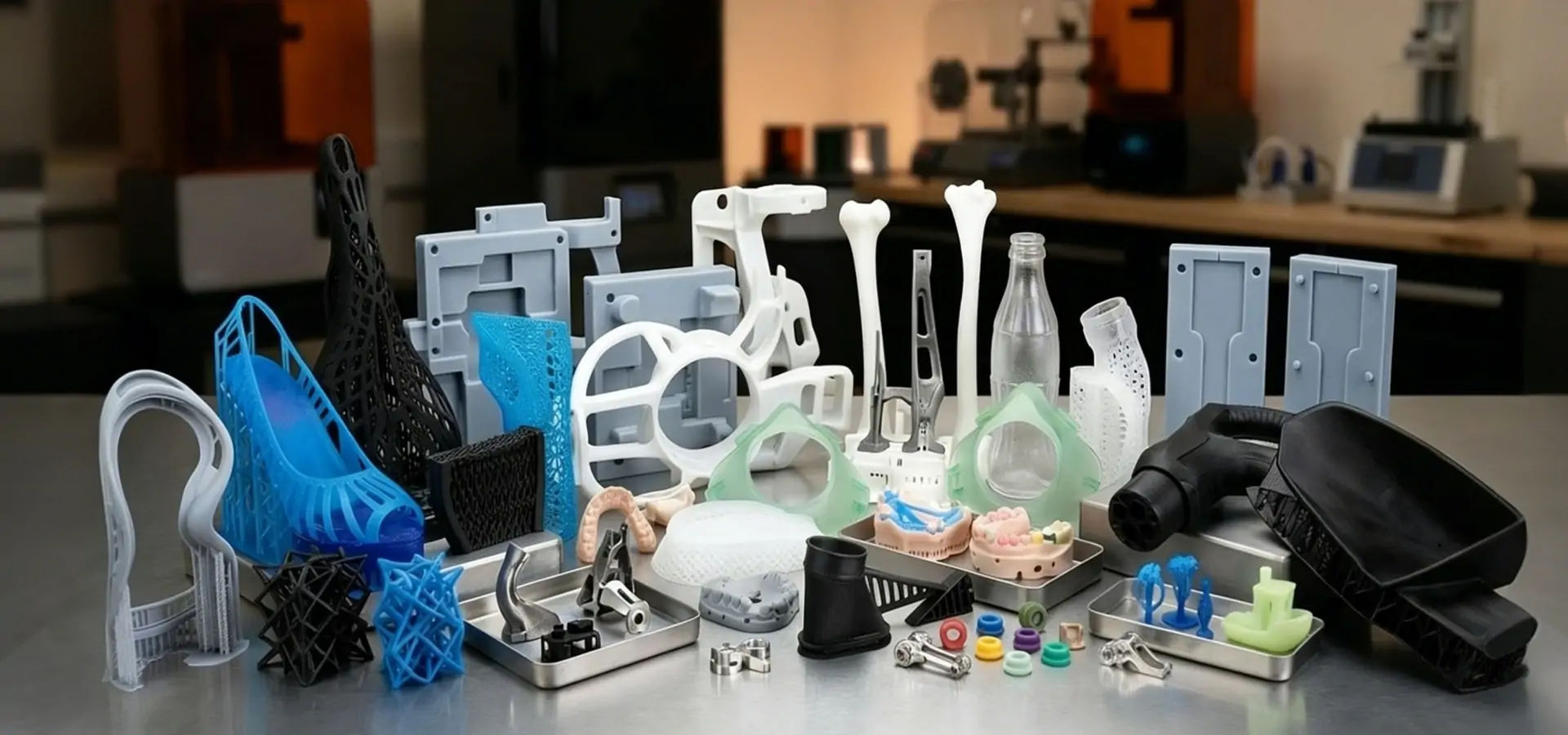
Dental and medical applications require biocompatible materials that meet FDA Class II medical device standards. These materials undergo strict testing to ensure oral safety and compatibility with human tissue. Many dental resins also contain antimicrobial additives that help support oral health.
Jewelry manufacturing commonly uses castable resins designed for investment casting. These materials burn out cleanly during the casting process and leave minimal ash residue, preventing defects in precious metal molds. Castable resins also capture extremely fine details, enabling the creation of complex jewelry designs that are difficult to produce with traditional manufacturing techniques.
Resin Selection Criteria: How to Choose the Right Resin for an SLA Printer
When selecting materials, B2B users must evaluate both production objectives and part performance requirements. Strategic resin selection influences printing reliability as well as long-term operational efficiency.
Performance Metrics and Technical Specifications
Print resolution requirements often determine the best material choice. Applications requiring extremely fine surface details benefit from low-viscosity resins that easily flow into narrow features. Parts that must maintain dimensional stability may benefit from slightly thicker formulations that resist movement during printing.
Evaluating mechanical performance involves reviewing tensile strength, elongation at break, and impact resistance. Engineering applications often require tensile strengths above 40 MPa, while flexible parts may require elongation values above 20%.
Post-processing requirements also vary between resin types and influence production efficiency. Standard materials typically require only washing and UV curing, while industrial resins may need extended post-curing procedures and specialized handling methods.
Optimizing SLA Printer Performance with Proper Resin Use
Understanding correct handling procedures and printer calibration is essential for achieving consistent print quality and maximizing resin lifespan.
Storage and Handling Best Practices
Temperature control significantly affects resin stability and printing performance. Most photopolymer materials should be stored between 18 °C and 25 °C to maintain stable viscosity and prevent premature polymerization.
Limiting light exposure is also critical. Amber storage containers help block harmful UV radiation while still allowing operators to monitor resin levels. Even brief exposure to sunlight or strong indoor lighting can initiate unwanted curing reactions.
Contamination prevention protocols help maintain resin purity and prevent different materials from mixing. Using dedicated measuring tools and containers for each resin type helps avoid chemical compatibility issues.
Conclusion
Selecting the right resin type for an SLA printer requires careful consideration of application needs, mechanical performance, and operational constraints.
Standard photopolymer resins are well suited for prototyping, while engineering materials provide the durability required for functional applications. Specialized formulations serve industries such as dental manufacturing and jewelry casting.
By matching resin properties with printer capabilities, following proper handling procedures, and working with reliable suppliers, businesses can improve print quality, reduce production costs, and achieve long-term success with SLA printer technology.
FAQ
Common Questions About SLA Printer Resins
What type of resin works best for an SLA printer?
The best resin depends on the application. Standard photopolymer resins are ideal for visual prototypes and concept models, while engineering resins provide stronger mechanical properties for functional testing and end-use parts.
Can any resin be used in an SLA printer?
Not all resins are compatible with every SLA printer. Materials must match the printer’s light source wavelength and curing characteristics to ensure proper polymerization and strong layer adhesion.
What industries commonly use SLA printer resins?
Many industries rely on SLA printer technology, including product design, automotive prototyping, dental laboratories, medical device manufacturing, and jewelry casting.
How should resin be stored for an SLA printer?
Resin should typically be stored in sealed containers at temperatures between 18–25 °C and protected from direct UV exposure. Proper storage helps maintain stable viscosity and prevents premature curing.