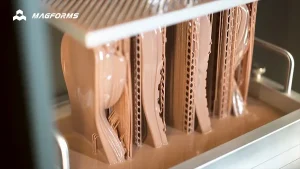
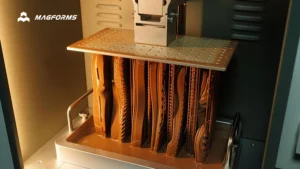
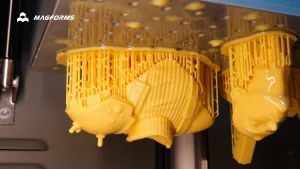
An automotive prototype supplier in Europe had relied on desktop-level 3d printer systems for years. In the beginning, these desktop machines were enough for small automotive prototype verification, but as customers demanded larger dashboard panels and interior assemblies, the limitations became increasingly obvious. Large-format prototypes frequently warped, failed prints became more common, and unstable resin printing results wasted both production time and materials. For companies involved in automotive prototyping and engineering prototype production, these problems directly affect delivery schedules and customer confidence.
The biggest issue was that their existing equipment could no longer support stable large-format prototype manufacturing. Some machines had already been operating for many years, while several desktop-level Resin 3D Printer systems still struggled with large-area printing stability. In the automotive prototyping industry, resin shrinkage during large-part printing is a common challenge. Once deformation occurs, assembly gaps become inaccurate, surface quality decreases, and engineering prototypes fail dimensional testing. Many suppliers using small desktop printers experience repeated printing failures when producing large dashboard prototypes or functional automotive components.
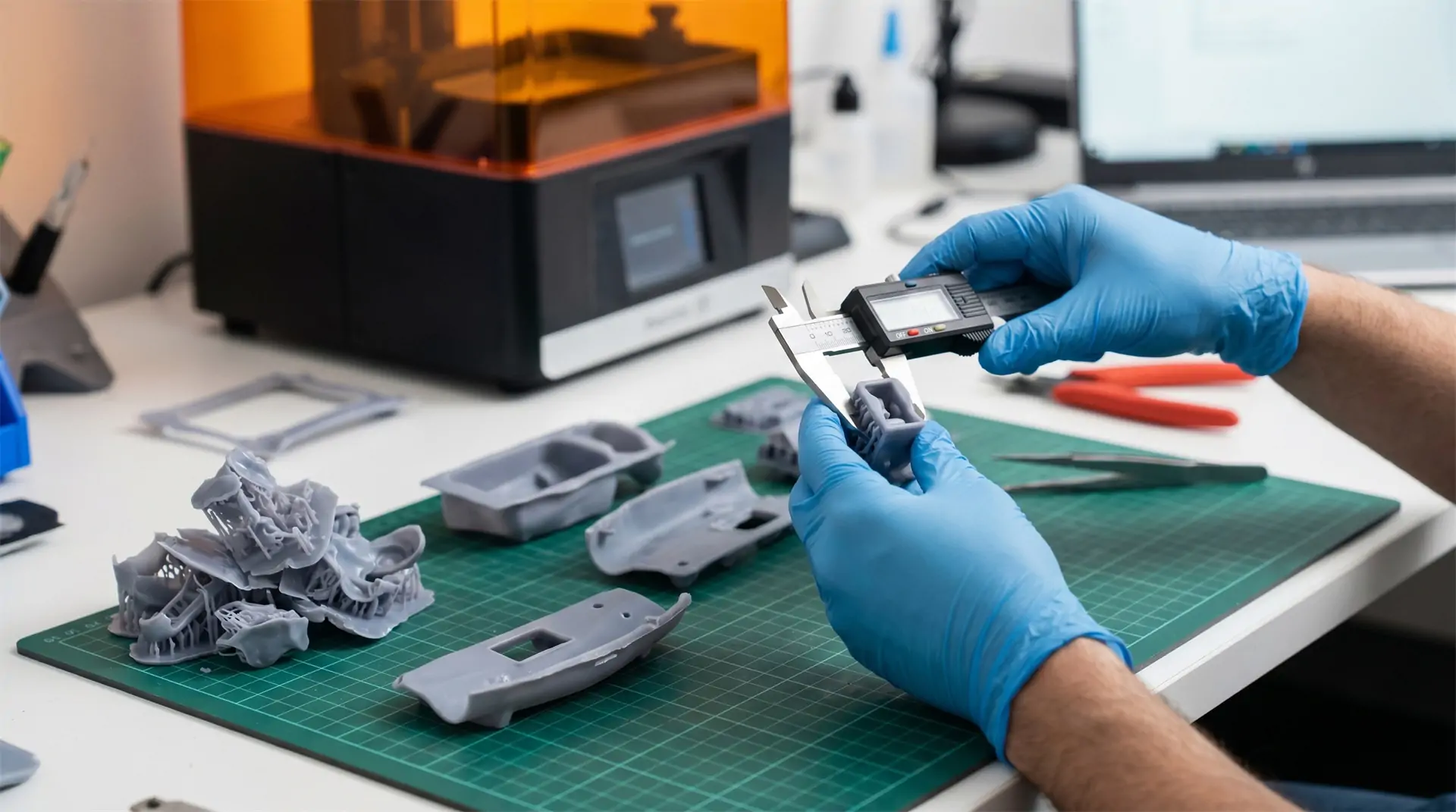
Last month, the procurement manager of the automotive prototype supplier contacted me during an online meeting and complained that several recently delivered dashboard prototypes had failed customer testing because of edge lifting and dimensional deviation. What frustrated them most was that almost every failed part showed the same issue: their current SLA 3D printer equipment could not maintain stable printing results for large resin parts and high-precision automotive prototypes.
I told him directly that the problem was not only the resin material, but also the limitations of desktop printing systems themselves. Many desktop-level SLA 3D printer machines using 405nm resin systems struggle to control shrinkage when producing large-format automotive prototypes. At the same time, many companies using long-running industrial systems such as Viper are now facing new production expectations, including faster turnaround, larger build requirements, and improved printing consistency. I suggested they test the Magforms Lab300, an industrial 3D printer specifically designed for companies transitioning from desktop prototype production to industrial-grade manufacturing. Compared with many desktop machines, Lab300 provides a larger build volume, higher printing precision, and more stable resin performance while maintaining a significantly lower investment cost than traditional industrial systems. After reviewing the printed sample parts, the procurement manager immediately realized the seriousness of the issue and forwarded the results to the engineering department. Earlier this month, we officially received their first trial order.
To improve large-format SLA printing stability, Magforms Lab300 uses a 300×300×300mm build volume combined with a highly stable fixed laser spot system and industrial-grade motion components. Unlike many desktop-level 3d printer systems, Lab300 significantly reduces resin shrinkage and minimizes warping during large-area printing. Its precision laser system ensures stable detail accuracy and smooth surface quality throughout the entire printing process. For automotive prototype suppliers upgrading from desktop printers or complementing existing Viper equipment, this industrial sla printer provides a practical solution for large-format prototype production without the excessive operating cost often associated with traditional industrial equipment. The stable printing process is especially suitable for dashboard prototypes, interior automotive components, and other high-precision engineering prototypes requiring stable resin printing performance.
During one full-size automotive dashboard prototype project, the European company had failed three consecutive prints using their previous resin 3D printer equipment. After switching to the Magforms Lab300 industrial 3D Printer, the dashboard prototype was completed successfully on the first attempt with smooth surfaces, stable dimensions, and significantly improved assembly accuracy. The company reduced resin waste by approximately 40% while shortening prototype delivery time for automotive customers.
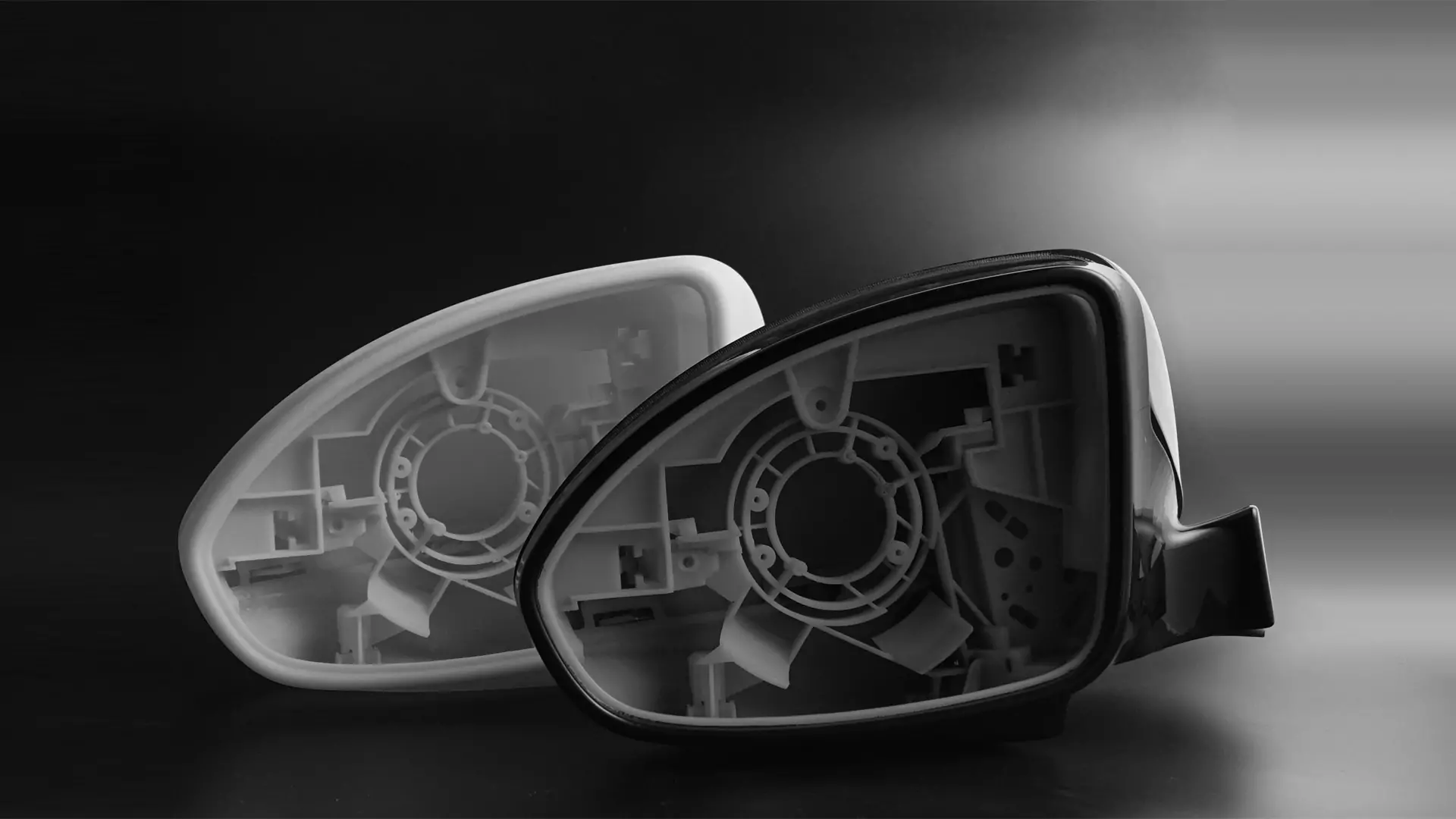
With larger print capacity, higher printing stability, and industrial-grade precision, Magforms Lab300 is becoming an ideal upgrade solution for automotive prototype suppliers moving beyond desktop-level production. If your current 3d printer, SLA 3D printer, or industrial sla printer systems are struggling with warped large-format prototypes, unstable resin printing results, or growing production demands, Lab300 may be the solution your engineering team has been searching for.