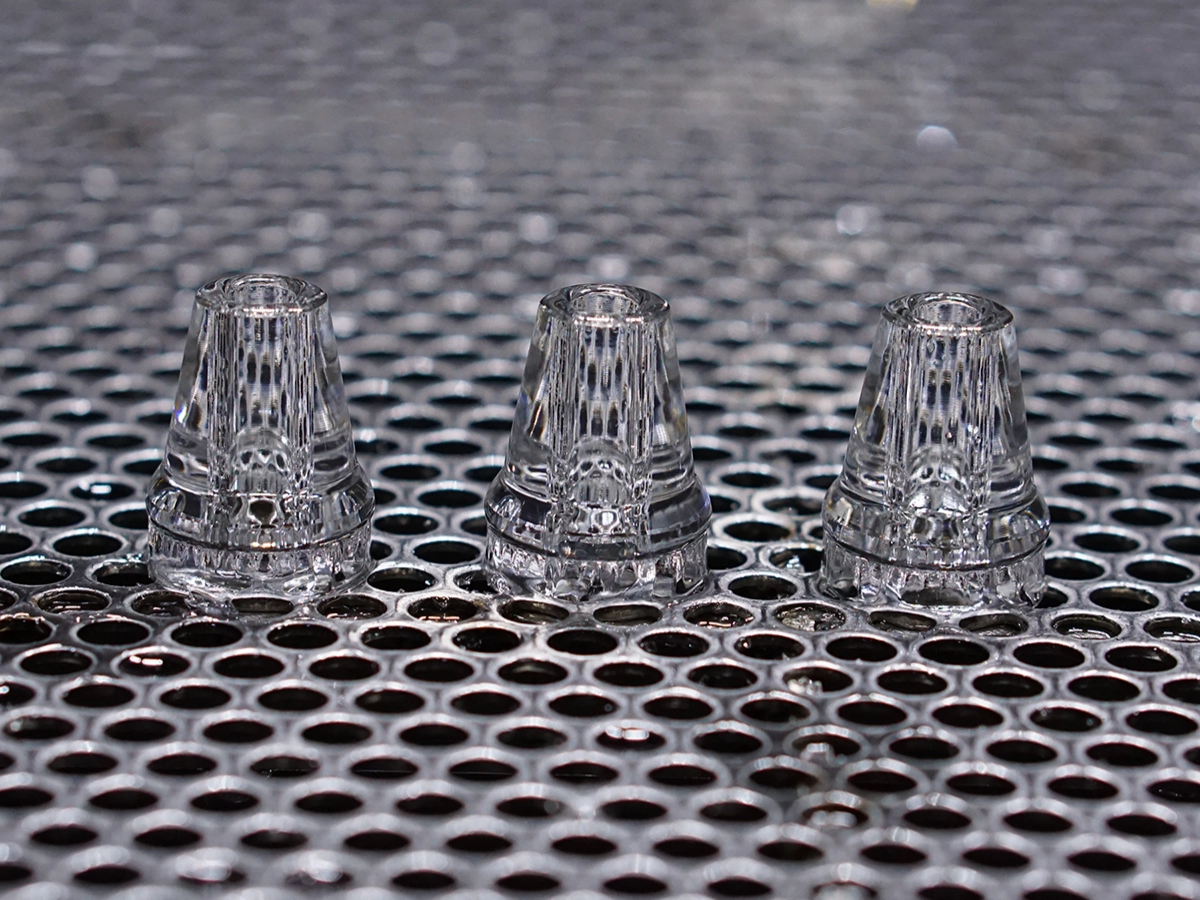
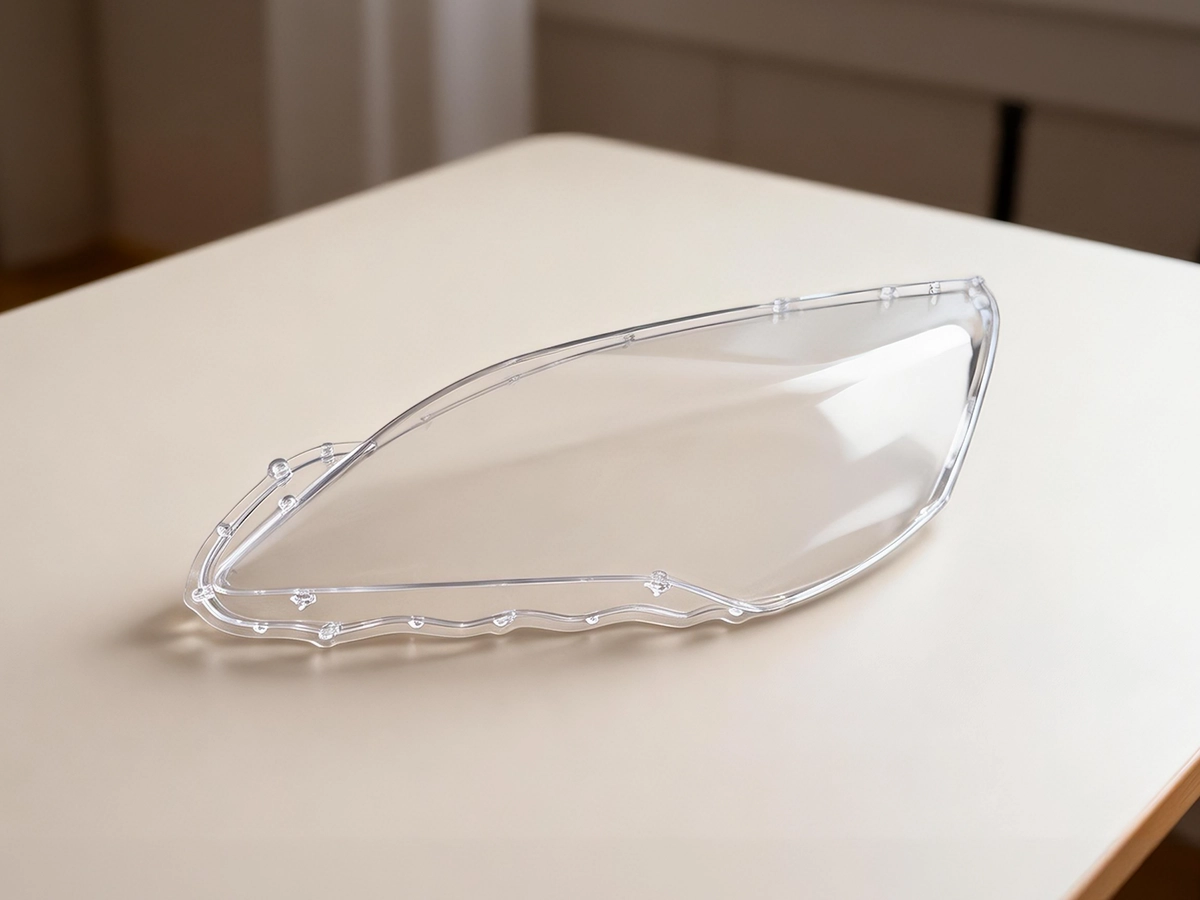
Transparent engineering parts are among the most demanding applications for any 3D printer. Optical clarity, internal consistency, and dimensional accuracy leave little tolerance for process variation, as even minor instability can become visible in the final result.
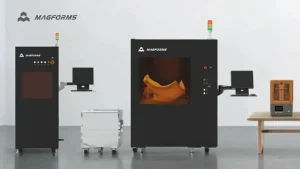
Historically, these applications have relied on large industrial SLA 3D printers to achieve reliable transparency. While effective, such systems are expensive, space-intensive, and often difficult to integrate into everyday engineering workflows. As teams seek more flexible solutions for in-house development, a key question emerges: can a compact SLA printer deliver comparable results for transparent engineering parts? This case study explores how the Magforms Lab300 answers that question by supporting high-quality transparent 3D print workflows in a laboratory-scale environment.
Why Transparent Engineering Pushes SLA Systems to Their Limits
Transparent parts amplify every aspect of the SLA printing process. Variations in resin behavior, liquid level stability, or energy delivery can quickly lead to haze, internal layer lines, or optical distortion. For engineering teams, these defects are often unacceptable, particularly when parts are used for functional testing or optical assemblies.
A European engineering team had previously validated Crysplus1801 resin on a 3D Systems Viper, a well-established industrial SLA 3D printer. Reflecting on that experience, the team explained:
“We chose Crysplus1801 because we needed a resin that could consistently deliver optical clarity. On the Viper, the material performed very well and gave us confidence in its transparency and internal structure.”
However, while the industrial system delivered reliable results, its size and operational constraints limited how easily transparent 3D printing could be incorporated into daily development cycles.
Transitioning Transparent 3D Printing to a Laboratory SLA Printer
As development timelines tightened, the team began exploring whether a more compact SLA 3D printer could support the same transparent engineering applications without sacrificing quality.
Describing their motivation, the customer noted:
“The industrial system produced excellent parts, but it wasn’t always available when we needed it. We wanted a solution that could sit in our lab and support frequent iteration.”
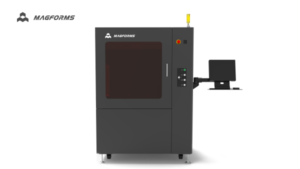
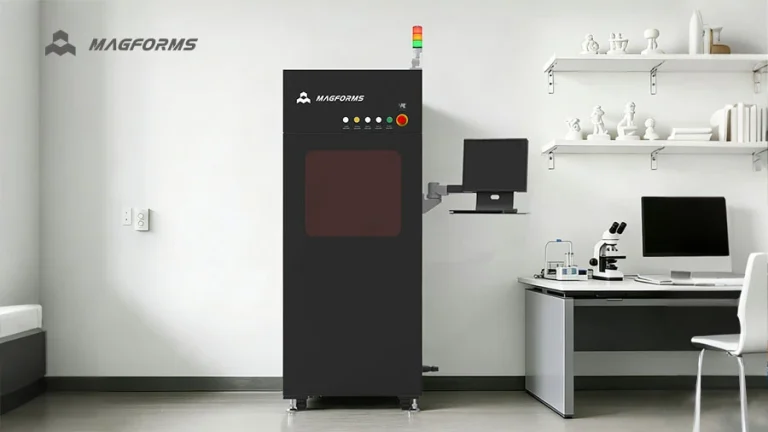
When evaluating the Magforms Lab300, the team focused on whether its controlled SLA process could deliver the stability required for transparent 3D print results previously achieved on an industrial platform.
After running initial builds with Crysplus1801 on the Lab300, the customer shared:
“What surprised us was how consistent the results were. The transparency and internal quality were very close to what we achieved before, but the workflow was far easier to manage.”
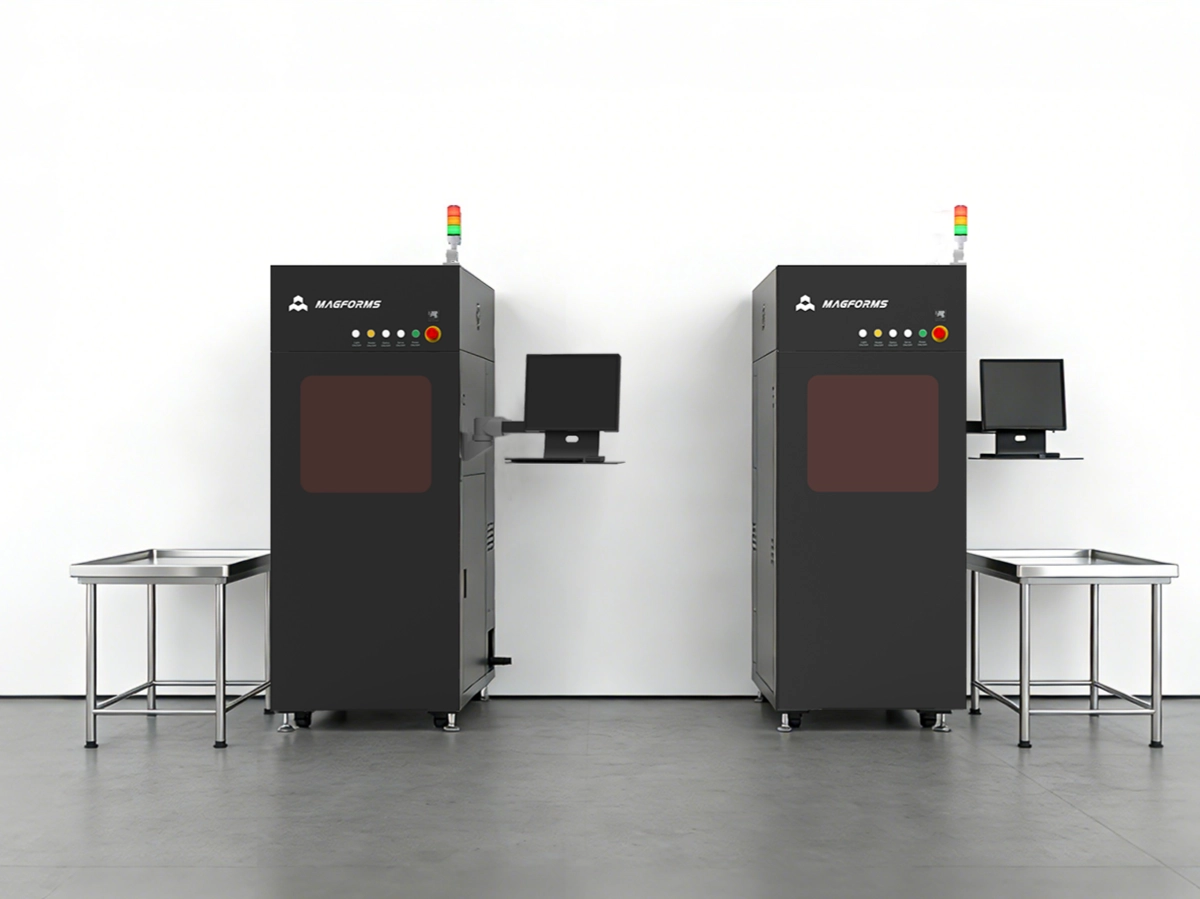
The Lab300’s fast resin level response, stable scanning system, and reduced mechanical disturbance during layer formation all contributed to reliable, repeatable output in a compact form factor.
What a Compact SLA 3D Printer Enables for Engineering Teams
With transparent parts running successfully on the Lab300, the team was able to rethink how SLA technology fit into their workflow.
Summarizing the impact, the customer explained:
“Having this level of transparency from a lab-scale SLA printer means we can iterate more often and keep development in-house. It gives us industrial-quality results without the overhead of an industrial machine.”
For transparent engineering applications, the Magforms Lab300 demonstrates that high-quality 3D printing is no longer limited to large industrial systems. By combining controlled process stability with a laboratory-friendly footprint, it functions as a practical 3D printer for rapid prototyping, functional validation, and short-run transparent part production.