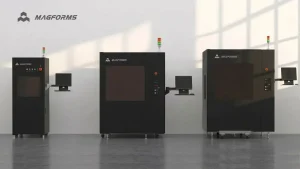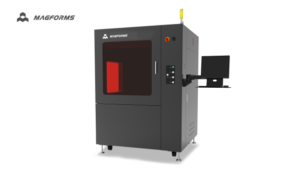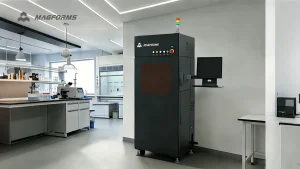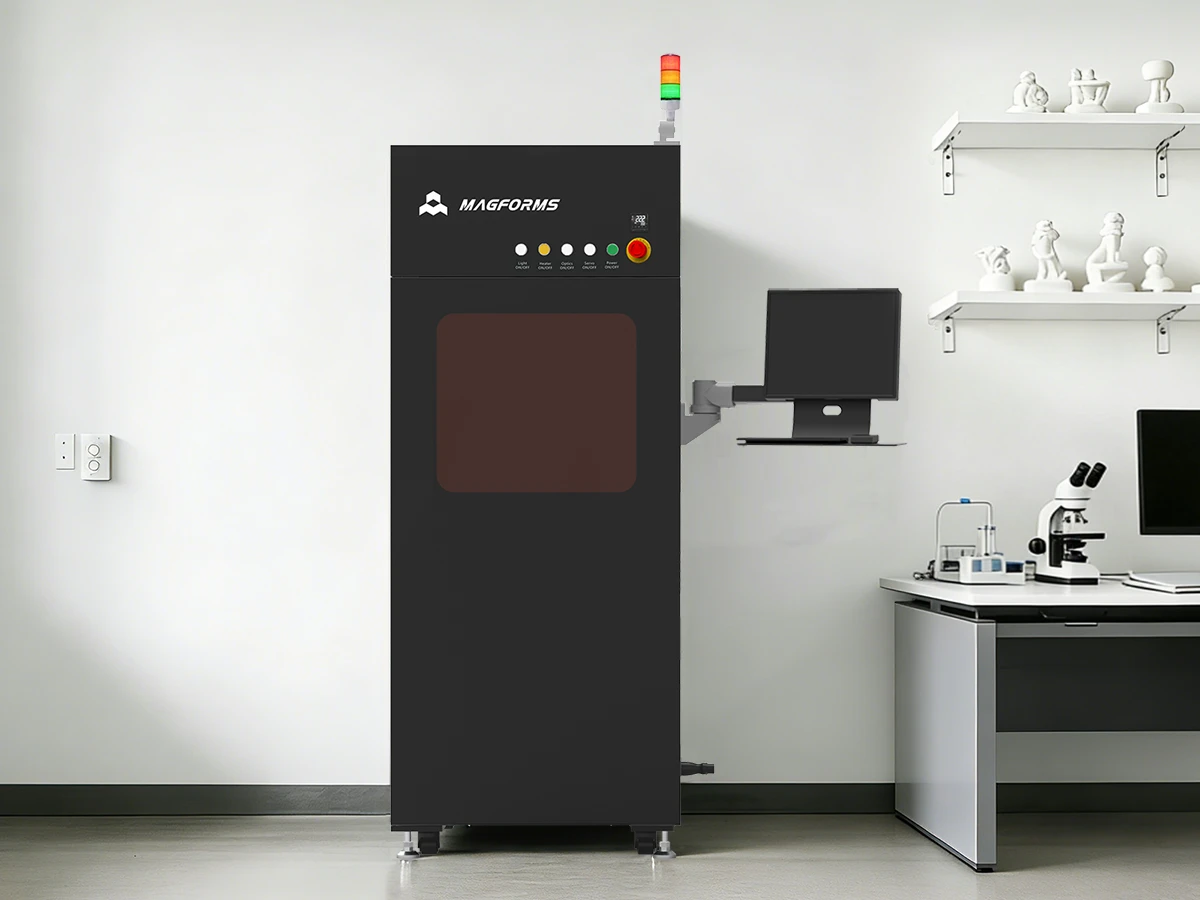
In the field of precision research and development, many enterprises face a common challenge: the industrial-grade SLA equipment purchased at great expense in the past now suffers from slow speed, expensive maintenance, and dwindling support. Should they endure the efficiency bottleneck, or invest heavily in a complete overhaul? A superior solution has now emerged.
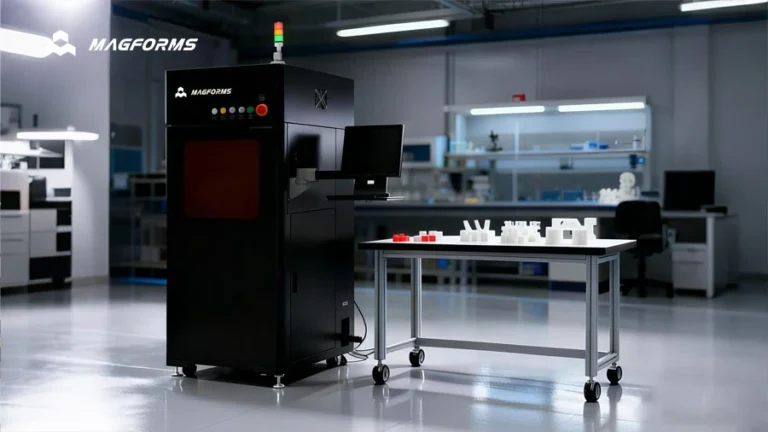
Lab300: The SLA 3D Printer Built for the LabIn scientific research and engineering, labs demand 3D printers that are precise, reliable, compact, and stable. The Lab300 professional-grade SLA 3D printer meets these…
Efficiency Revolution Across Generations
For enterprises reliant on classic industrial-grade SLA equipment, upgrading is fraught with concerns. The old equipment defines their quality benchmark, but its slow speed and high maintenance costs have become obstacles to innovation.
“Our core need was to find a solution that could match or even surpass the quality of our old equipment, not sacrifice long-verified reliability standards for the sake of speed.”
— R&D Director, Enterprise A
Meanwhile, desktop-grade equipment often fails to meet requirements when producing final functional prototypes due to insufficient stability.
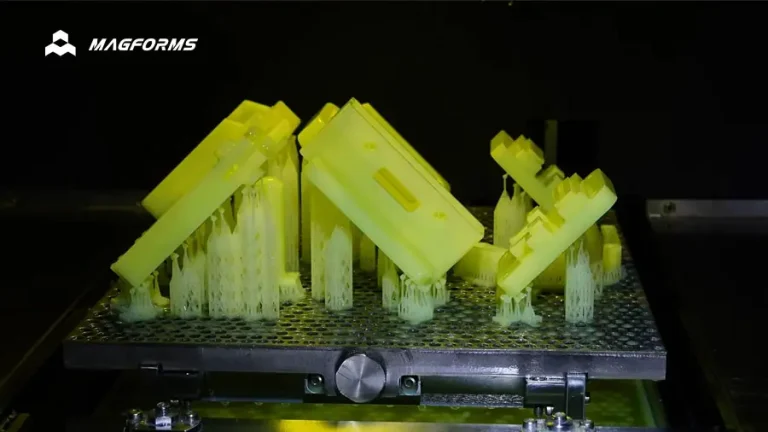
“Warping of large parts and loss of detail are the main pain points, directly affecting the credibility of design verification.”
— Senior Engineer, Enterprise B
Under the dual pressures of quality and efficiency, enterprises need a smooth, low-risk performance upgrade. After a comprehensive evaluation, the Magforms Lab300 stands out with its precise positioning of “inheriting industrial-grade quality while breaking through traditional efficiency limits.”
Its Intelligent Variable Spot Size Technology dynamically optimizes printing strategies through algorithms, achieving a balance between speed and precision.
“The intelligent spot technology was a pleasant surprise. It significantly improved filling efficiency while ensuring sharp contours.”
— Test Engineer, Enterprise C
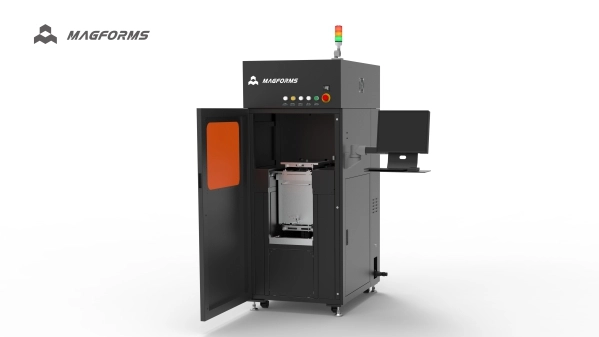
Furthermore, Lab300’s compact industrial design significantly saves laboratory space.
“The footprint is small, but the build volume fully meets the needs of our larger workpieces, achieving highly efficient space utilization.”
— Lab Manager, Enterprise D.
This makes it an ideal hub connecting desktop and large-scale industrial-grade equipment.
Finding the Precise Performance Upgrade Solution
The testing process for Lab300 quickly built confidence. “The detailed representation and edge consistency of the first test print already reached the upper limit of our historical data,” said a Quality Manager. This proves its ability to seamlessly take on high-standard prototyping tasks.
The performance improvement is significant: large, complex parts that previously required overnight printing can now mostly be completed within a single day.
“The speed increase was immediate, compressing our iteration cycle from ‘days’ to ‘hours’.”
— Project Manager.
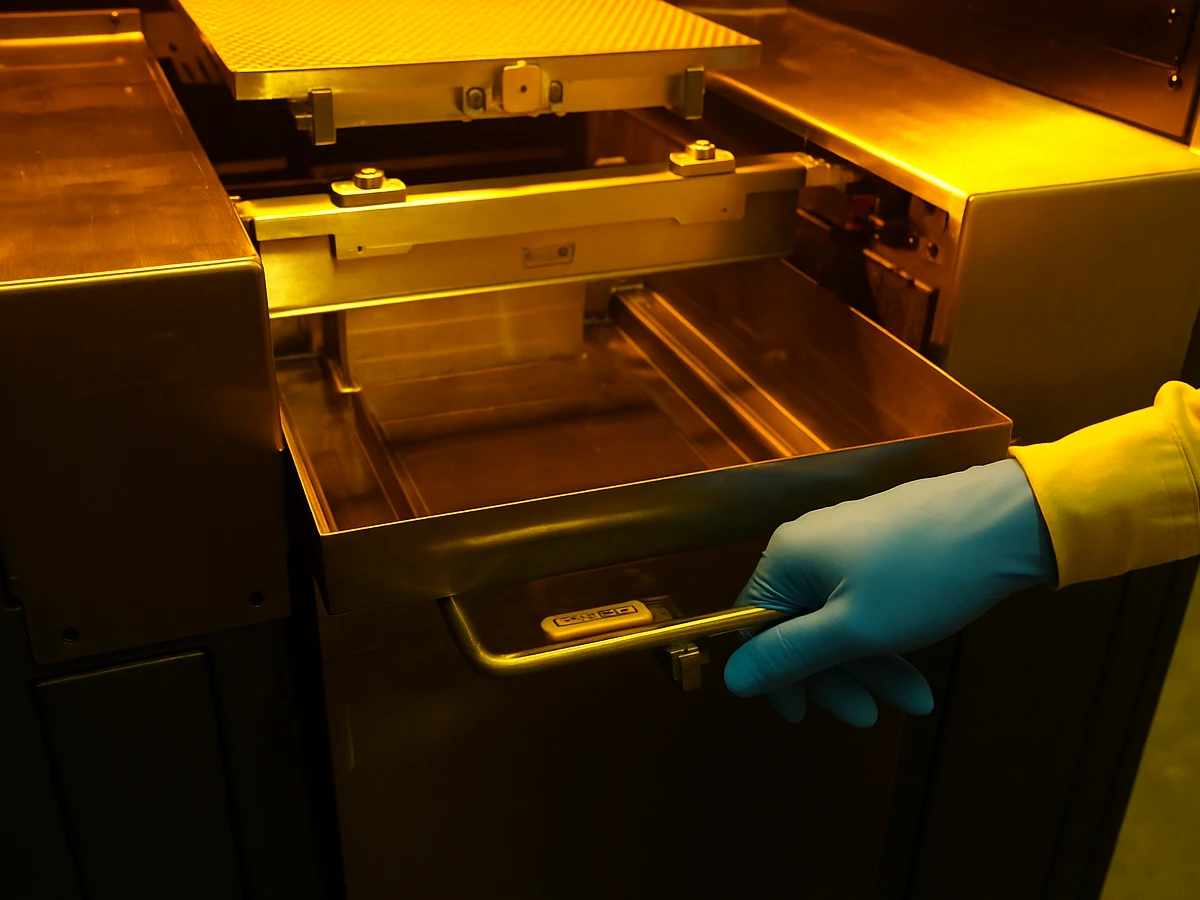
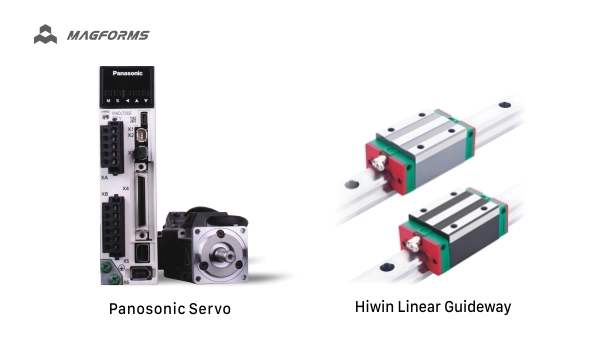
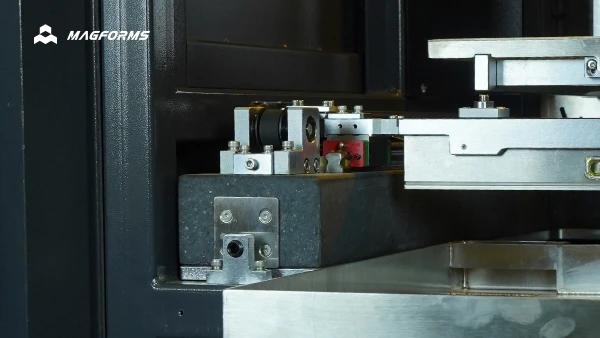
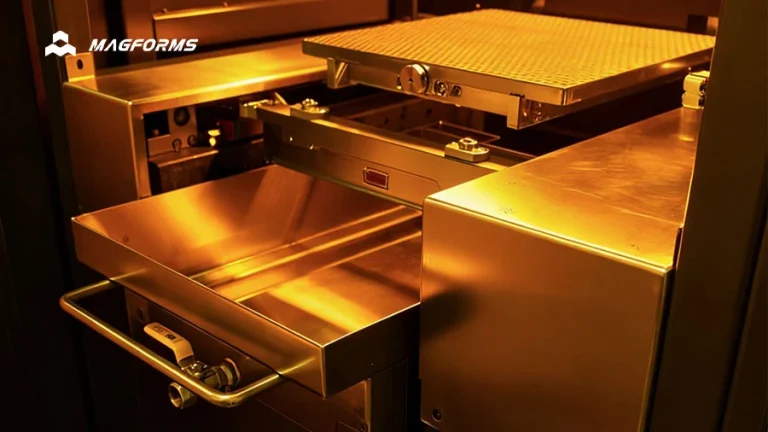
The equipment design also considers production convenience. The detachable resin tank and small-volume material tank simplify maintenance procedures and reduce resin inventory costs. Relying on a stable optical system and dedicated high-precision resin, Lab300 effectively solves the problem of warping in large-sized workpieces, ensuring the dimensional stability of prototypes.
Reshaping R&D Rhythm, Activating the Innovation Cycle
After introducing the Lab300, the R&D process underwent a profound transformation. It is not merely an equipment replacement but a reshaping of the “design-verification” rhythm. Faster prototype output capability empowers teams to attempt more complex, integrated designs and conduct rapid, multiple rounds of verification. R&D activities shift from being driven by equipment cycles to being driven by creativity and design iteration.
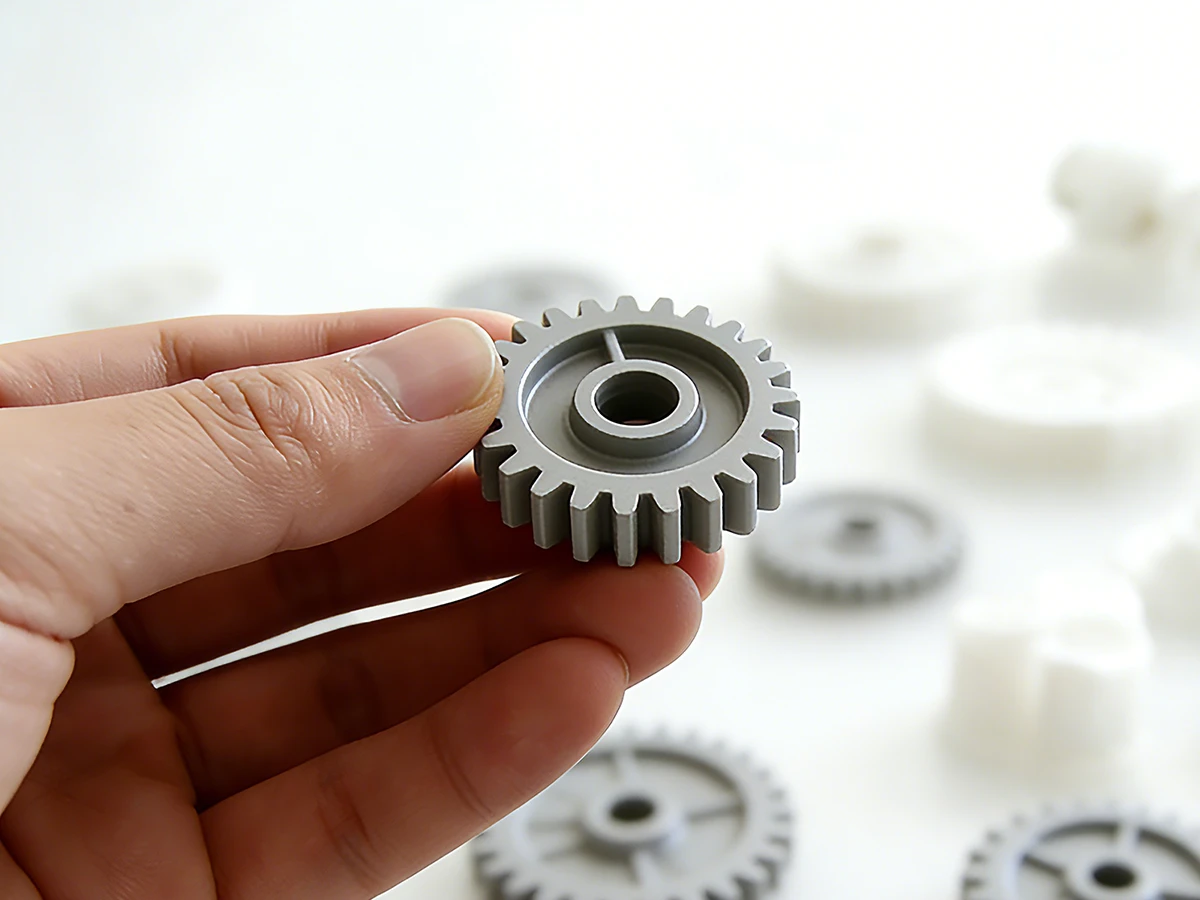
The Lab300’s high success rate and stable output make prototype development costs and timelines highly predictable, enhancing project management precision. The long-term stability and ease of maintenance of its core components also significantly reduce the burden on the operations team.
Conclusion
The Magforms Lab300 achieves a performance leap with minimal risk, inheriting proven industrial-grade quality standards while solving core pain points of efficiency and stability. It provides a reliable, seamless alternative for enterprises facing the dilemma of aging equipment, helping teams dedicate their time to creation and gain an edge in innovation.