Why Industrial SLA 3D Printers Are Still the Benchmark for Precision?
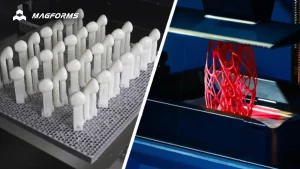
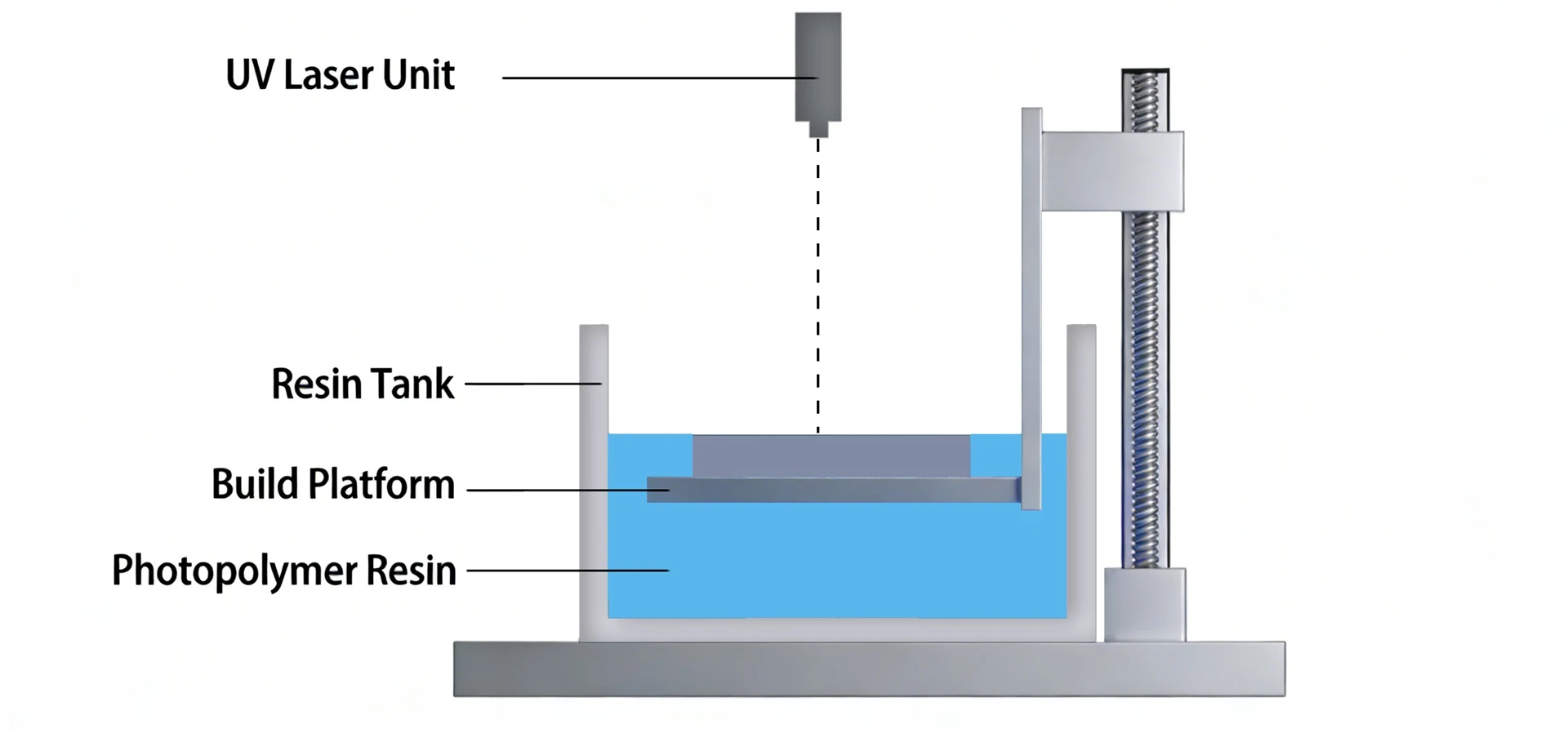
In high-accuracy manufacturing scenarios, the Industrial SLA 3D printer continues to set the standard. By using laser-driven photopolymerization, these systems transform liquid resin into solid parts layer by layer, achieving exceptional surface smoothness and dimensional accuracy.
Compared with conventional manufacturing processes, SLA enables the creation of intricate geometries without the need for molds or tooling. This flexibility makes it especially valuable in industries where complexity and precision are critical.
What Makes Industrial SLA Technology Stand Out
The appeal of industrial SLA systems goes beyond fine detail. Their real strength lies in delivering consistent, repeatable results across demanding production environments.
Here are several defining advantages:
Superior surface quality
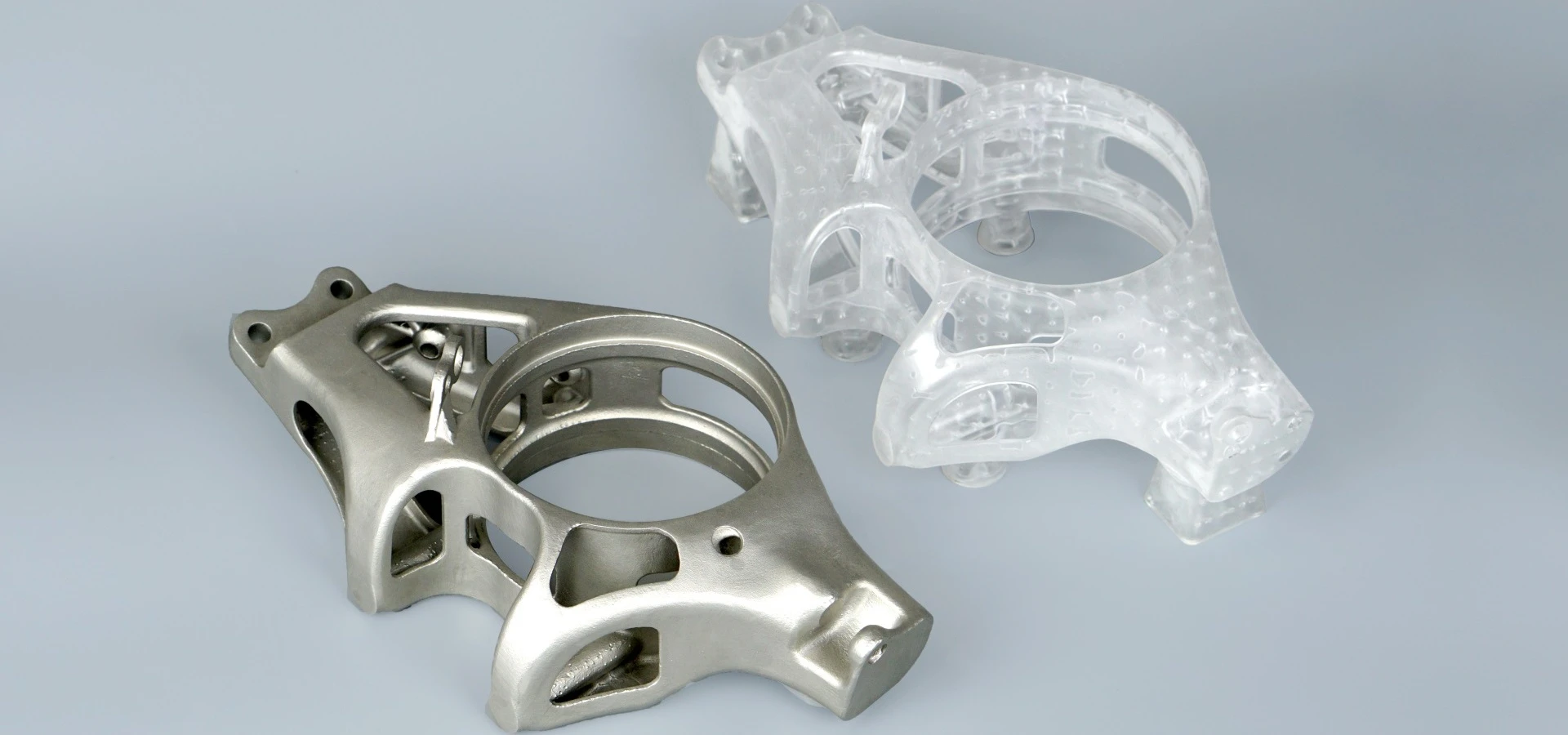
Parts produced with SLA typically require minimal finishing, reducing post-processing time and labor.
High-dimensional accuracy
Tight tolerances can be maintained even for complex structures, making SLA suitable for functional components.
Wide material compatibility
From rigid engineering resins to heat-resistant and biocompatible materials, SLA supports diverse application needs.
Reliable repeatability
Ideal for both prototyping and small-batch production where consistency matters.
Key Considerations When Choosing an Industrial SLA 3D Printer
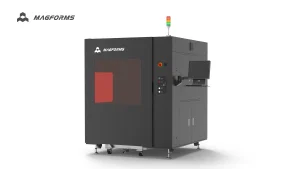
Selecting the right Industrial SLA 3D printer involves evaluating more than just headline specifications. Decision-makers should look at how the system fits into real production workflows.
Build Volume and Throughput
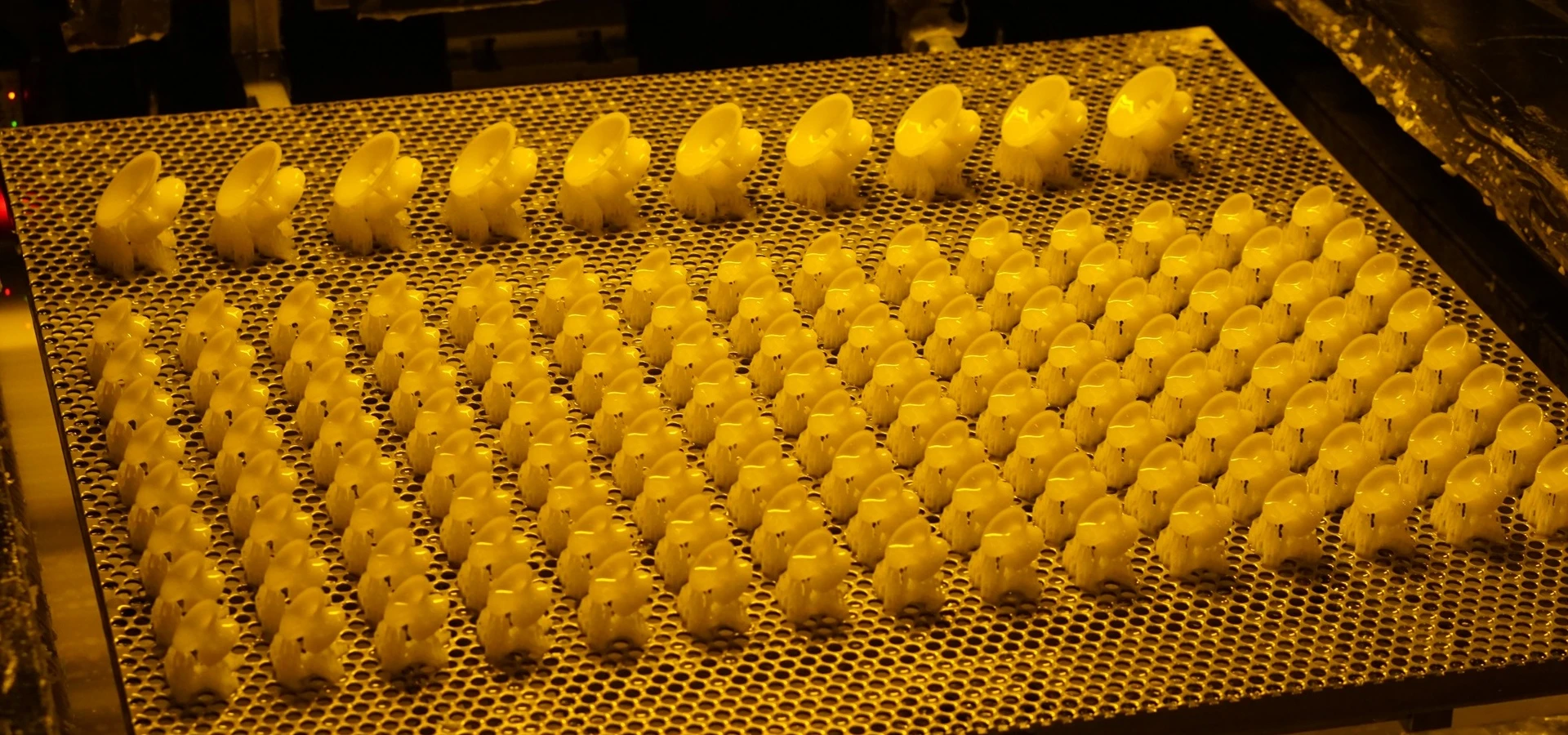
A larger build volume enables batch production and improves overall efficiency. For businesses scaling operations, this factor directly impacts output capacity.
Laser System and Accuracy Control
Laser performance determines both resolution and speed. Advanced systems with adjustable spot sizes can balance fine detail with faster production times.
Material Ecosystem
Not all printers support the same range of resins. Ensuring compatibility with engineering-grade materials is essential for meeting application requirements.
Software Integration
Efficient workflow management depends heavily on software. Look for solutions that simplify slicing, monitoring, and post-processing steps.
Where Industrial SLA 3D Printing Delivers the Most Value
The use of Industrial SLA 3D printers continues to expand as industries demand faster iteration and higher precision.
Aerospace
Used for aerodynamic prototypes and lightweight structural components.
Medical and Dental
Widely applied in surgical guides, dental models, and customized medical devices.
Automotive
Supports rapid prototyping, functional testing, and design validation.
In these sectors, SLA is not just a prototyping tool but an integral part of the production workflow.
Is an Industrial SLA 3D Printer the Right Investment?
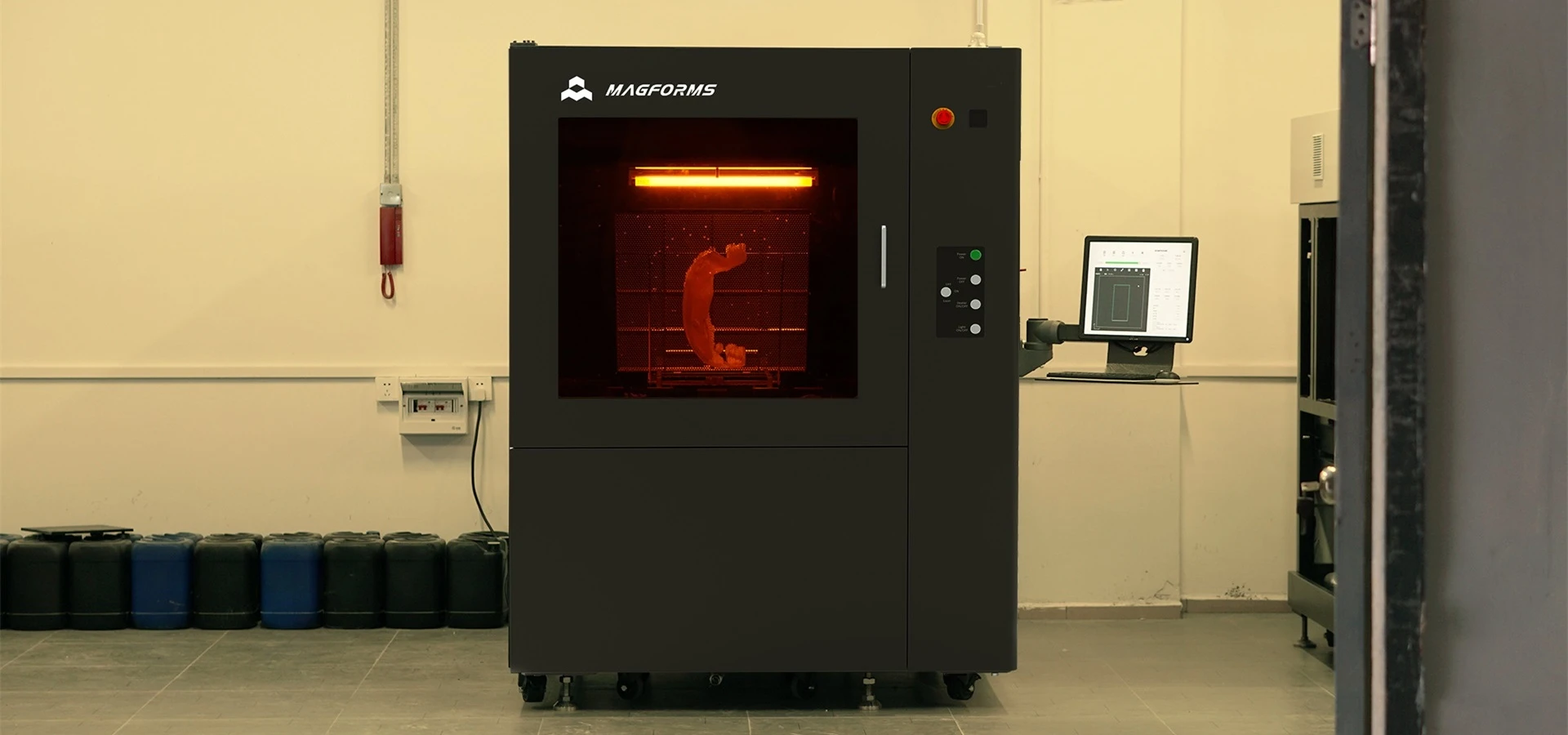
For organizations focused on precision manufacturing, adopting an Industrial SLA 3D printer can unlock significant advantages. The ability to produce complex, high-quality parts with minimal finishing often offsets the initial investment.
While other 3D printing technologies may offer faster build speeds, SLA remains the preferred choice when surface quality and accuracy are the top priorities.
As product development cycles continue to shorten, the role of SLA in enabling rapid iteration and customization is only becoming more important.
FAQ
What is the main advantage of an industrial SLA 3D printer?
Its ability to produce highly detailed parts with excellent surface finish and tight tolerances.
Can SLA printers be used for end-use parts?
Yes. With the right materials, SLA can produce functional parts suitable for real-world applications.
How does SLA compare to other 3D printing technologies?
SLA offers better surface quality and precision, while technologies like FDM may be more cost-effective for larger, less detailed parts.