In the evolution of industrial SLA 3D printer technology, stability and precision have always been the primary criteria for evaluating a 3D printer’s value. Many laboratories and manufacturing organizations adopted mature industrial SLA printer systems more than two decades ago and built highly dependent workflows around them. These early-generation 3D printer SLA solutions supported critical projects for many years, but as the equipment aged, print efficiency declined, maintenance costs increased, and the ability to meet new application requirements gradually became a challenge.
At the same time, desktop Resin Printer platforms have improved significantly in terms of cost and usability, yet they continue to show limitations in build size, dimensional consistency, and long-term operational stability. As a result, a clear gap has emerged between industrial-grade SLA 3D printer capability and the practical needs of modern laboratories.
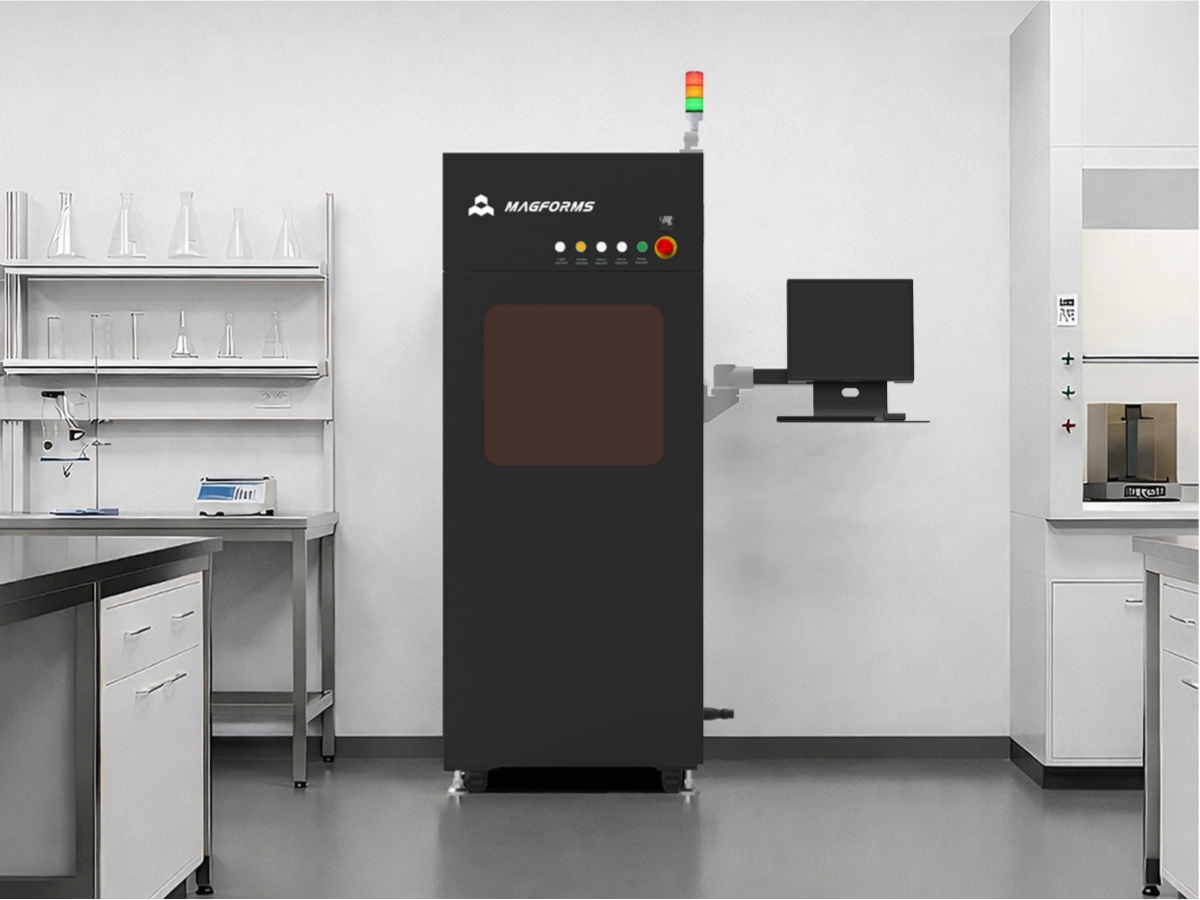
Magforms Lab300 was developed in response to this gap. It is neither a simple continuation of legacy industrial SLA printer systems nor a scaled-up desktop resin printer. Instead, it is an industrial SLA 3D printer redesigned around real-world, contemporary application requirements.
Explore the Lab300 Get a Quote
Industrial-Level Positioning for Equipment Upgrades
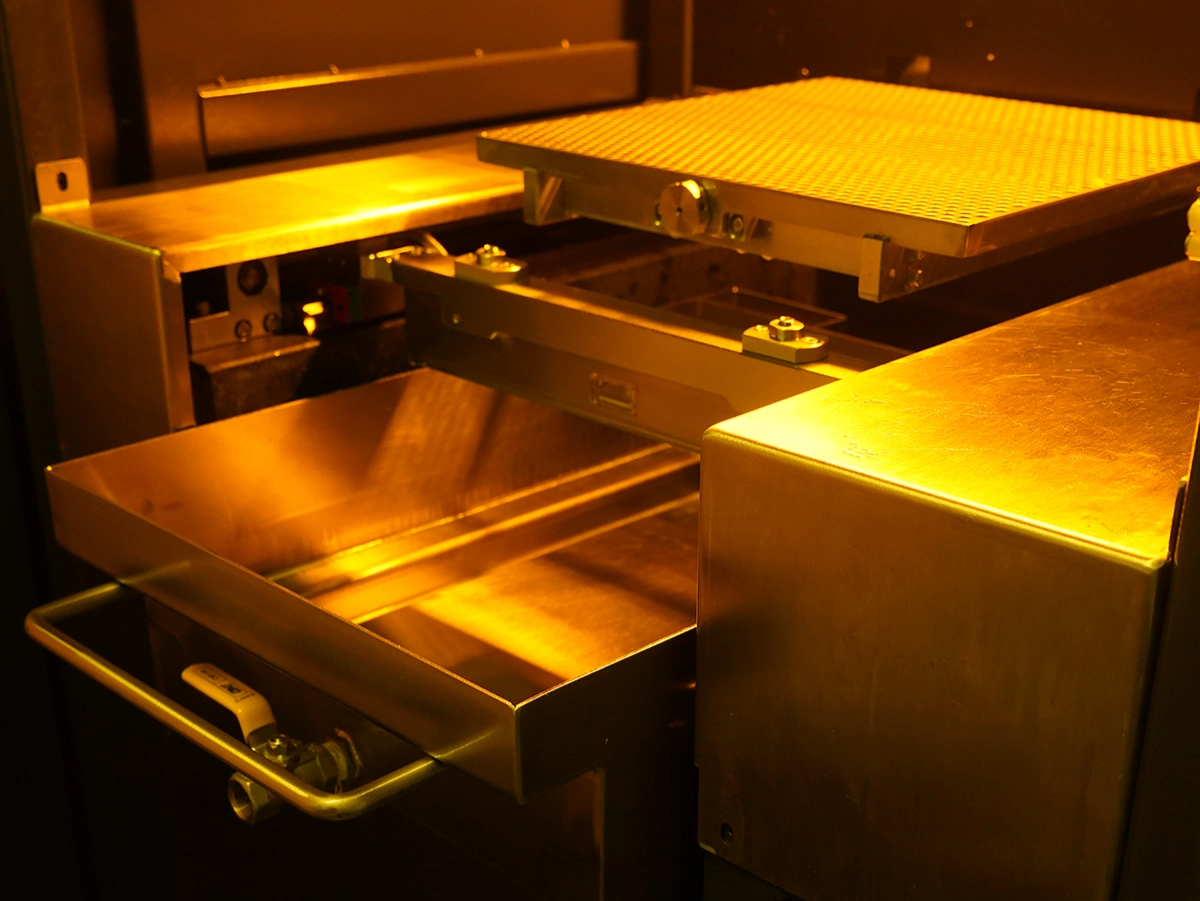
For users still operating early-generation industrial SLA 3D printer systems, equipment upgrades are rarely driven by a single performance parameter. Instead, they result from a combination of long-term practical factors. As these 3D printer SLA platforms age, print speed, operational stability, and maintenance efficiency increasingly struggle to align with current R&D and production cycles, while new product designs demand higher dimensional accuracy, surface quality, and repeatability from an industrial SLA printer.
Lab300 was designed specifically to address this generational transition. It preserves the core logic and reliability of industrial SLA printer systems while introducing a more efficient system architecture optimized for modern workflows, ensuring that upgrading an existing 3D printer setup does not require larger footprints or added operational complexity.
This positioning allows Lab300 to integrate seamlessly into existing industrial SLA 3D printer environments while delivering clear improvements in efficiency and output stability.
Suitable for Large-Scale and High-Consistency Printing
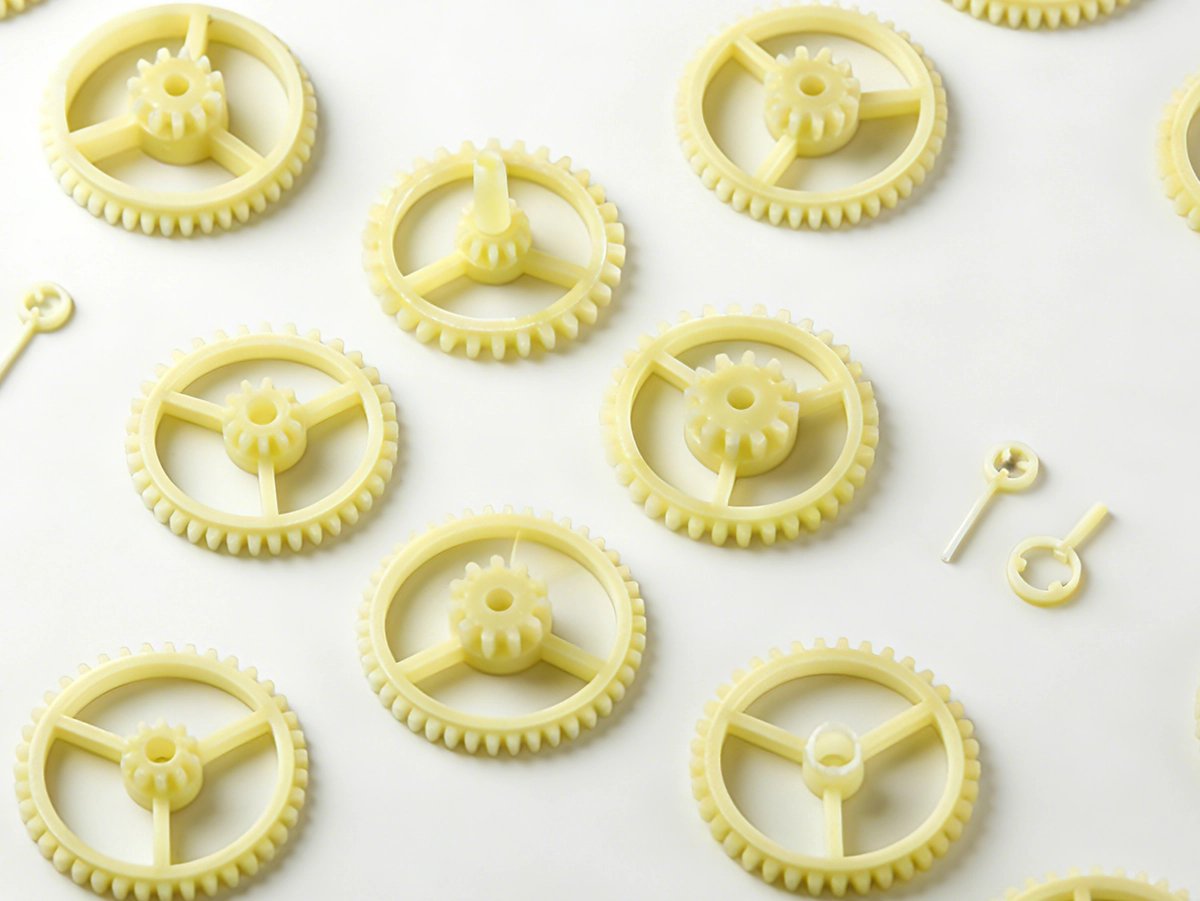
In SLA printer applications, larger print sizes amplify material and process instability. In typical 405 nm resin printer systems, curing shrinkage can easily cause warping and dimensional deviation in large or complex structures, limiting their use in high-precision, engineering-grade applications.
Lab300 adopts 355 nm laser SLA 3D printer technology, improving dimensional stability at the light source level. This approach delivers more predictable results for large-scale and high-consistency printing, allowing complex structures to maintain accurate dimensions and surface integrity upon completion.
For users who are no longer satisfied with desktop resin printer output and require greater flexibility in experimental and engineering applications, this industrial SLA printer approach provides a more reliable foundation for consistent production results.
System-Level Design for Long-Term Applications
In real-world use, the value of an SLA 3D printer is not only reflected in theoretical single-print performance but also in long-term stability, repeatability, and adaptability across various application scenarios. Laboratories and engineering teams require a 3D printer system that continuously balances efficiency, precision, and material flexibility rather than one that sacrifices overall usability for peak performance in a single dimension.
Lab300’s SLA printer system is designed precisely with these requirements in mind, from print process control to resin management, focusing on long-term, predictable results across diverse resin-based applications.
Coordinated Control of Print Efficiency and Detail Accuracy
In industrial SLA 3D printer workflows, print efficiency and detail accuracy must be balanced through system-level design rather than optical complexity. Lab300 utilizes a highly stable fixed-spot laser configuration, combined with precise scanning control and optimized exposure strategies, to maintain dimensional accuracy while achieving consistent printing efficiency.
This approach ensures stable energy delivery during large-area printing, while fine motion control and exposure planning preserve edge definition, curved surfaces, and critical details. By avoiding frequent optical parameter changes, this 3D printer SLA system minimizes process uncertainty and delivers highly repeatable, predictable print results.
Stability Design for Multi-Material and Continuous Operation
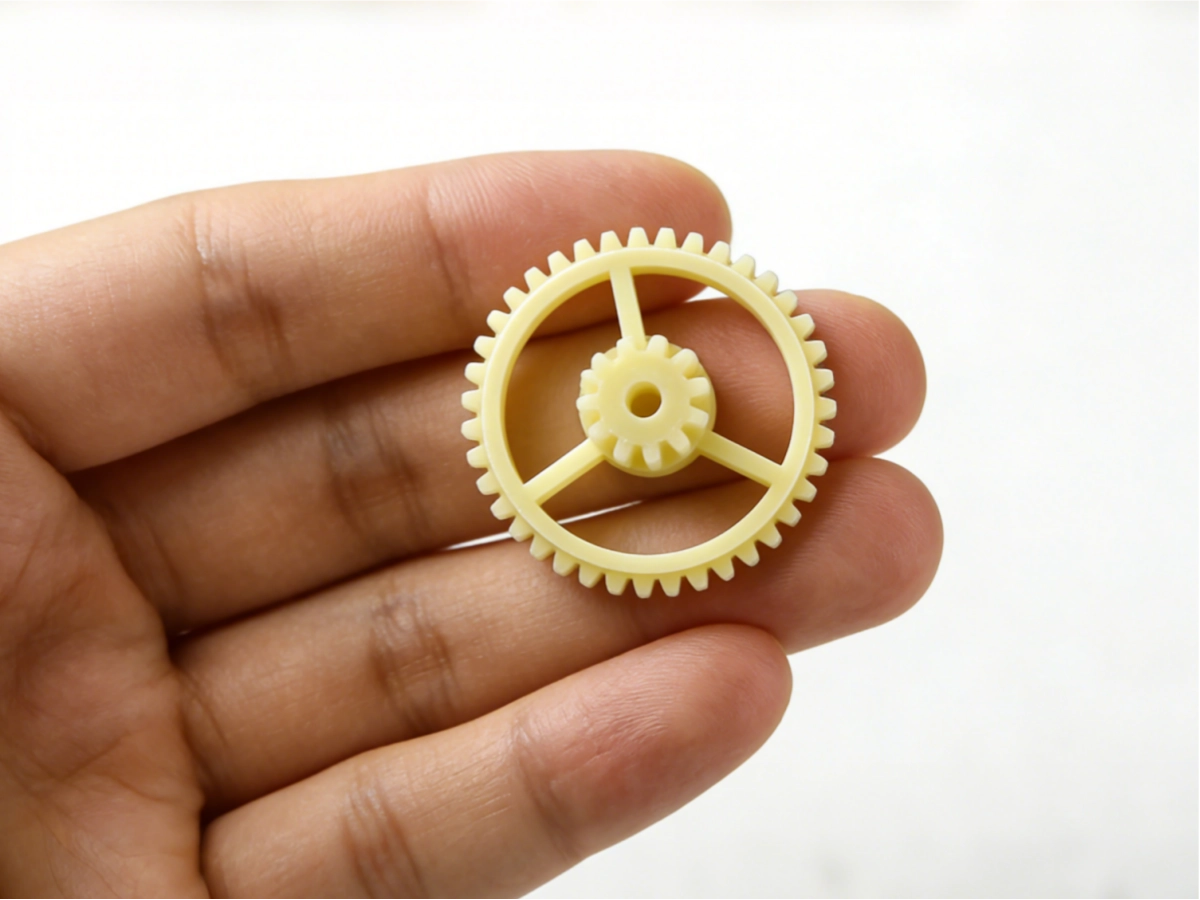
Laboratory and engineering environments often require SLA printers to handle multiple resin materials, different material batches, and extended continuous operation. Lab300 incorporates systematic optimizations to address these real-world resin printer requirements.
The interchangeable small-volume resin tray reduces material switching time and experimental costs, enabling efficient resin changes. Its overall lifting mechanism helps maintain a stable resin surface, minimizing variability caused by material properties or environmental conditions.
Combined with industrial-grade motion components and a stable optical system, this SLA 3D printer maintains consistent print quality during long-term operation, supporting repeated testing, validation, and continuous engineering applications.