Rethinking the Question: Replacement or Reinvention?
“Will a 3D printer replace traditional manufacturing?” sounds like a duel.
In reality, it behaves more like a partnership.
Additive manufacturing is not dismantling conventional production. Instead, it is redrawing the boundaries of what manufacturing can achieve. Where traditional methods prioritize scale and efficiency, a 3D printer thrives in flexibility, speed, and complexity.
The real shift is not replacement. It is a reconfiguration.
How a 3D Printer Changes the Rules of Production
From Subtraction to Precision Addition
Traditional manufacturing removes material. A 3D printer builds only what is needed, layer by layer, guided by digital models. This fundamental difference unlocks:
· Reduced material waste
· Greater geometric freedom
· Direct transition from design to production
This is not just a technical upgrade. It is a change in manufacturing philosophy.
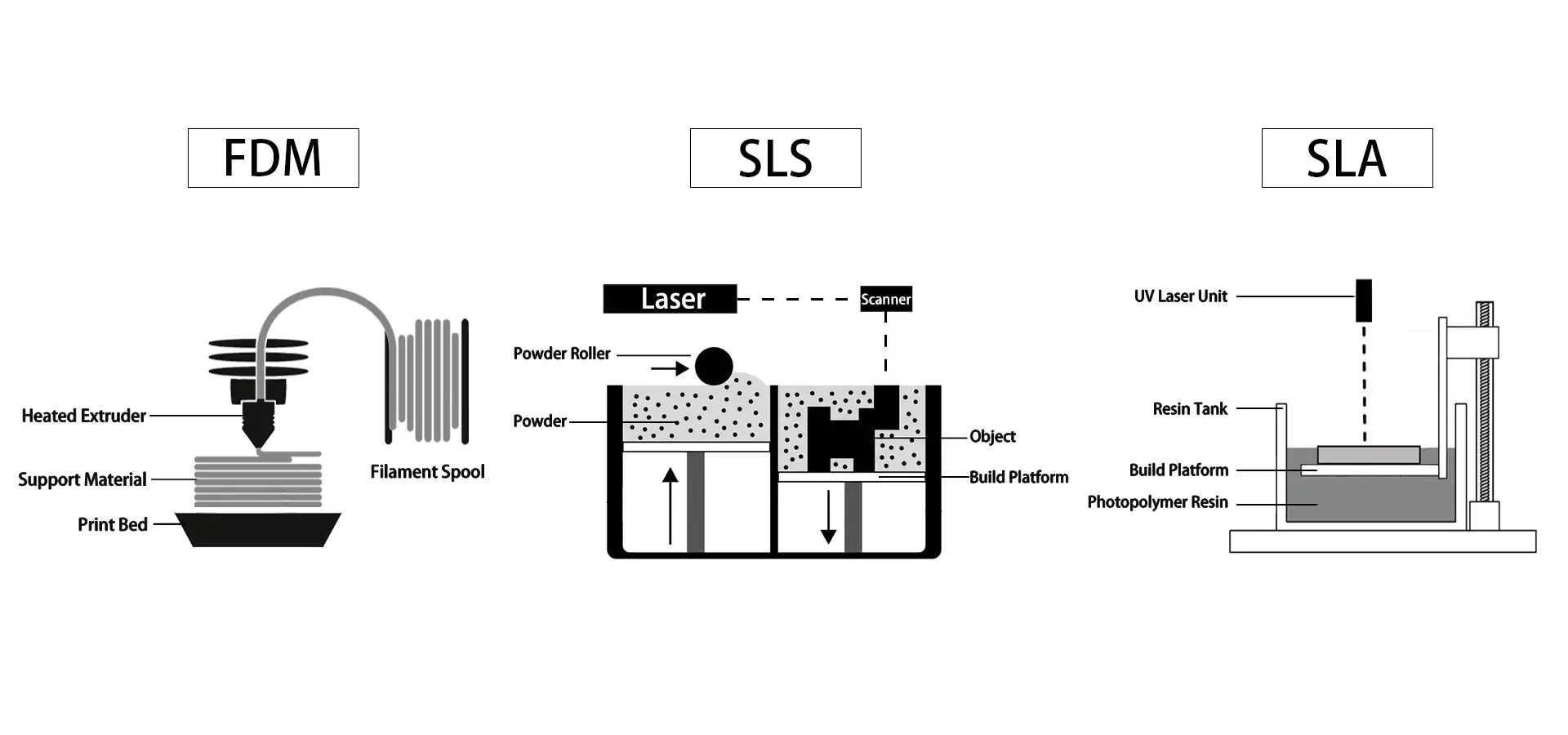
Key Industrial Technologies Behind Modern 3D Printing
Different technologies serve different production goals:
· FDM: cost-effective prototyping and large functional parts
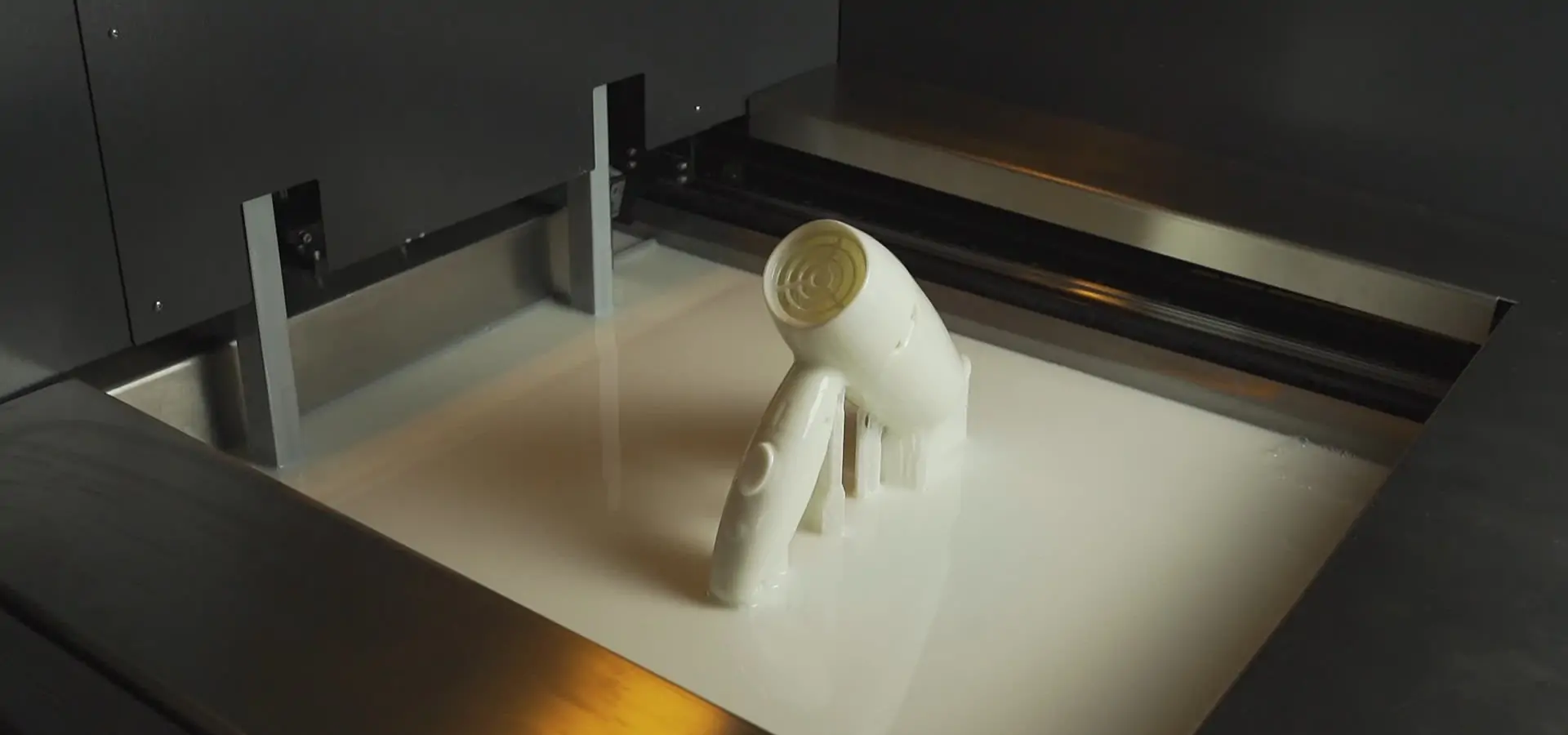
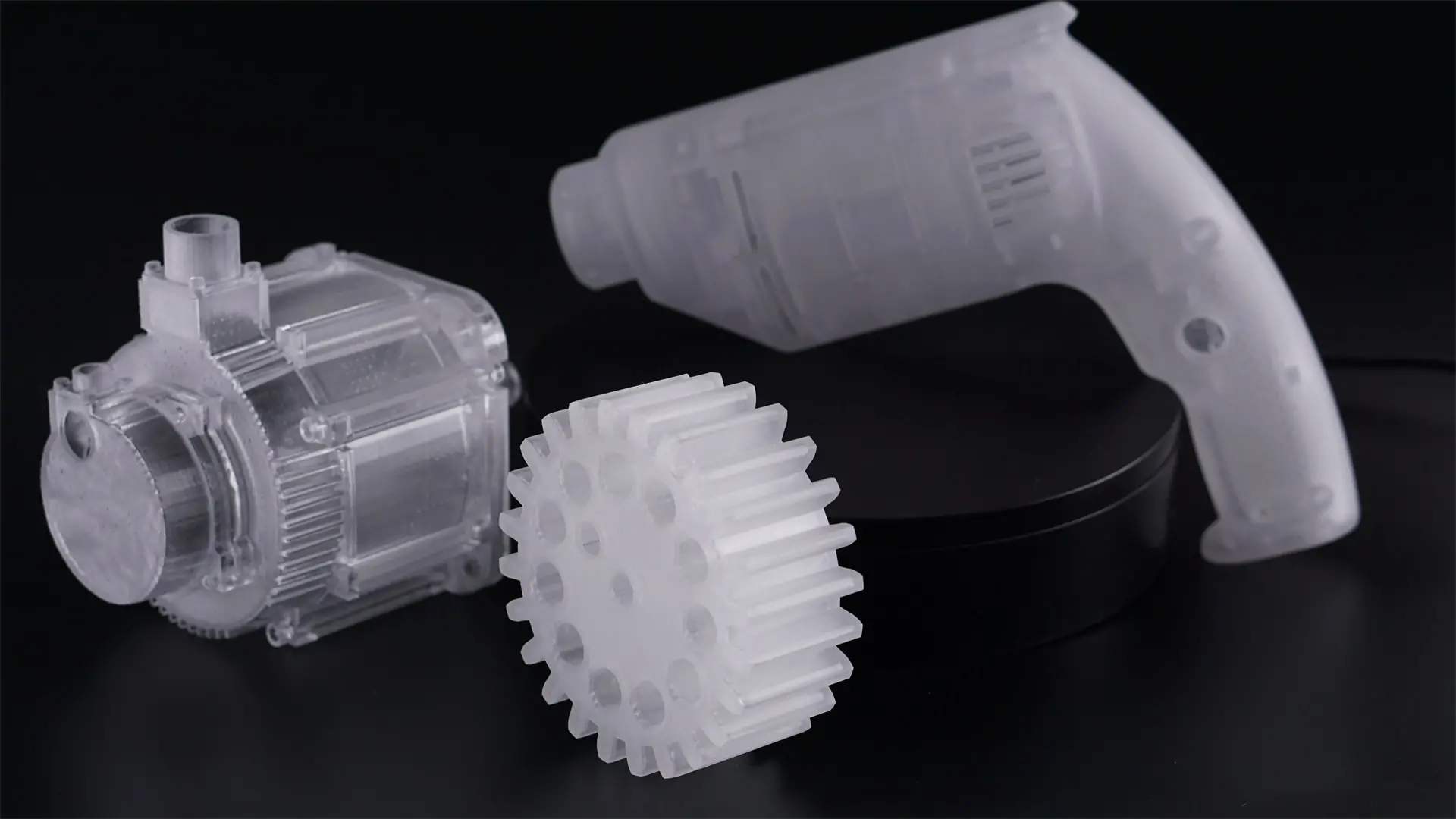
· SLA: high precision, smooth surfaces, micron-level detail
· SLS: complex geometries without support structures
Advanced SLA systems now achieve accuracy around 0.1 mm, approaching traditional machining standards. With high-end components like precision galvanometers and optimized laser systems, performance continues to close the gap.
Where a 3D Printer Outperforms Traditional Manufacturing
1. Speed: From Weeks to Hours
Design iterations no longer wait for tooling. Engineers can:
· Prototype within hours
· Test and refine rapidly
· Compress development cycles dramatically
In competitive industries, this speed often determines market success.
2. Customization Without Penalty
Traditional manufacturing struggles with variation. A 3D printer treats customization as default.
This enables:
· Personalized medical devices
· Custom-fit components
· Small-batch niche products
Mass production becomes mass customization.
3. Material Efficiency and Sustainability
Additive manufacturing reduces waste by up to 90% compared to subtractive methods.
Benefits include:
· Lower raw material costs
· Reduced environmental impact
· Alignment with ESG goals
Sustainability is no longer a trade-off. It becomes a built-in advantage.
4. Digital Inventory and On-Demand Production
Instead of storing physical parts, companies store files.
This allows:
· Localized production
· Lower warehousing costs
· Faster response to demand changes
Supply chains shift from physical to digital-first.
Where Traditional Manufacturing Still Dominates
Economies of Scale Still Matter
When production volumes rise, traditional methods take the lead.
· Injection molding becomes cost-effective after tooling investment
· CNC machining delivers consistent output at scale
Typical break-even point:
· 3D printer advantage: below ~100–1000 units
· Traditional advantage: above that range
Surface Finish and Mechanical Properties
Although improving rapidly, additive manufacturing still faces challenges:
· Surface finishing may require post-processing
· Layer-based structures can introduce directional strength differences
However, modern materials and ultra-thin layers (as low as 10 microns in SLA) are narrowing these gaps quickly.
Real-World Applications: How Industries Combine Both
Automotive: Speed Meets Scale
Automakers use a hybrid approach:
· 3D printer for tooling, fixtures, prototypes
· Traditional methods for mass production
Result:
· Development cycles reduced from months to weeks
· Tooling costs reduced by up to 60% in low-volume scenarios
Healthcare: True Mass Customization
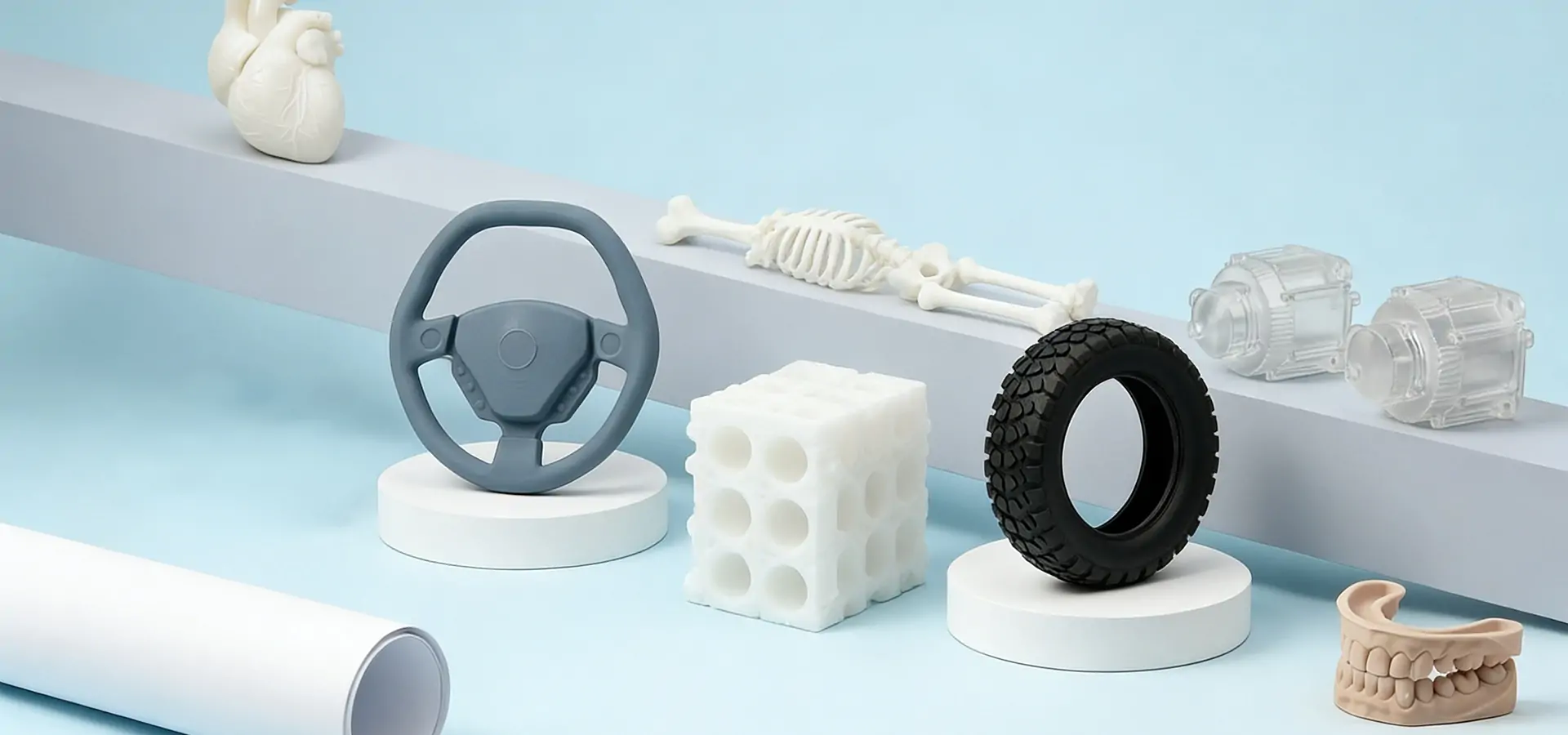
Medical and dental industries fully embrace additive manufacturing:
· Patient-specific implants
· Surgical guides
· Dental aligners
Integration with imaging data (e.g., MRI/CT) enables production that was previously impossible.
Aerospace: Complexity Justified by Value
In aerospace, complexity equals performance.
A 3D printer enables:
· Internal cooling channels
· Lightweight lattice structures
· Part consolidation (fewer assemblies)
Higher unit costs are justified by performance gains and weight reduction.
Cost Strategy: Choosing the Right Approach
Understanding Total Cost of Ownership
A proper comparison must include:
· Equipment investment
· Tooling costs
· Material usage
· Labor and post-processing
· Maintenance
In many cases, additive manufacturing offsets its higher equipment cost within 12–24 months for suitable applications.
Material Flexibility and Cost Control
Open material systems offer:
· Multi-supplier sourcing
· Lower material costs
· Greater operational flexibility
Available materials include:
· Engineering plastics (ABS, Nylon, PC)
· High-performance polymers (PEEK, carbon fiber composites)
· Flexible elastomers (TPU)
· Specialized resins (medical, high-temp, castable)
Procurement Strategy: What B2B Buyers Should Consider
Equipment Segmentation
· Entry-level systems: prototyping and small-scale production
· Mid-range systems: balanced throughput and build size
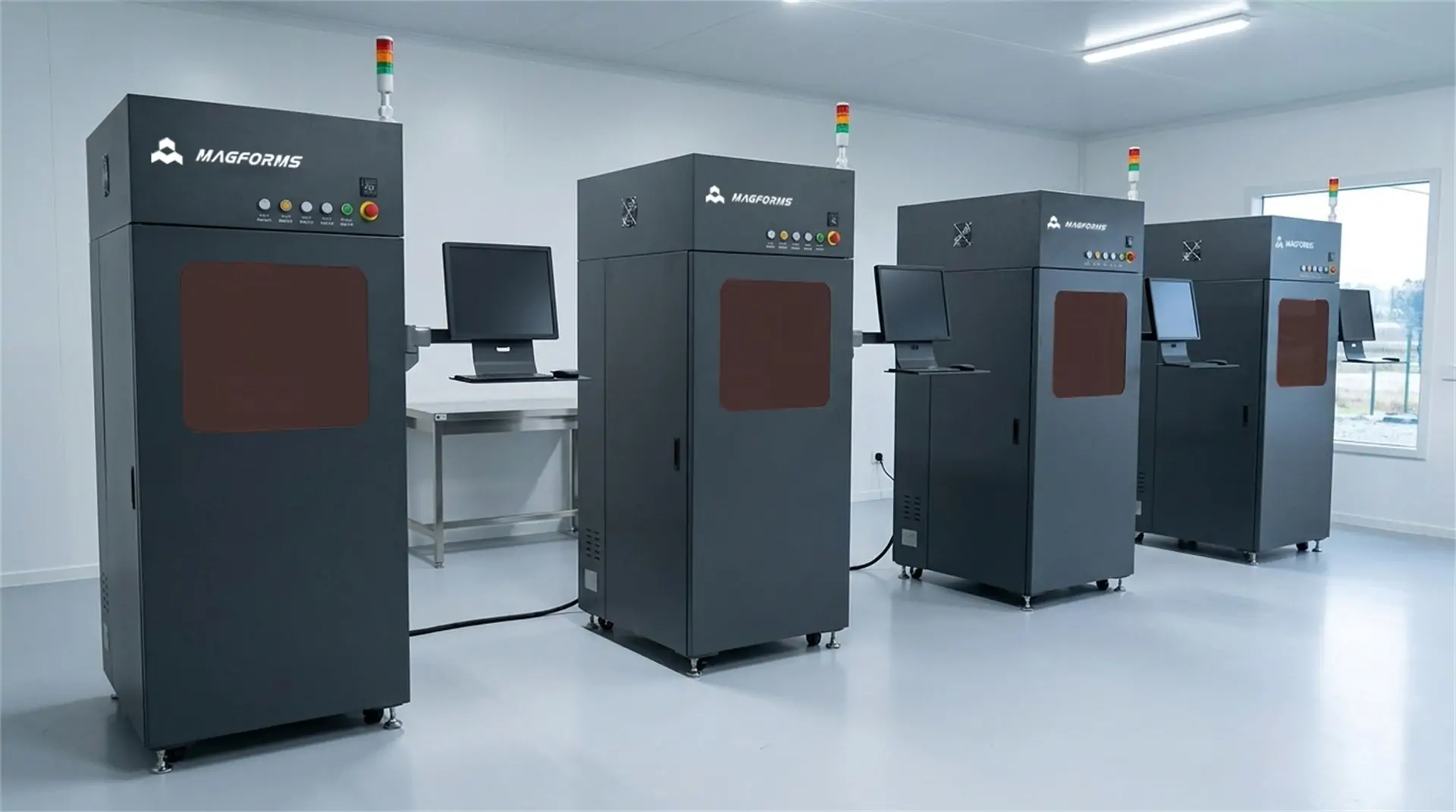
· High-end systems: AI optimization, high-speed lasers, industrial reliability
High-end systems can improve productivity by 30–50%, especially in demanding environments.
Supplier Selection Matters More Than Price
Reliable partners provide:
· Fast technical response (within hours)
· Operator training
· Maintenance support
· Spare parts availability
Downtime in industrial production is expensive. Support infrastructure is often more valuable than initial cost savings.
The Future: Hybrid Manufacturing Ecosystems
The future is not binary. It is blended.
What’s Changing
· Faster printing speeds
· Advanced materials match traditional performance
· AI-driven process optimization
· Decentralized production networks
What It Means
Manufacturing evolves into a hybrid ecosystem where:
· A 3D printer handles complexity, customization, and agility
· Traditional methods handle volume and efficiency
Together, they create a more resilient and responsive production system.
Conclusion: Not a Replacement, but a Strategic Upgrade
A 3D printer is not here to eliminate traditional manufacturing.
It is here to expand what manufacturing can do.
Companies that win will not choose one over the other.
They will orchestrate both.
FAQ
Can a 3D printer handle mass production?
It is improving rapidly, but traditional manufacturing still dominates large-scale production above 1,000–10,000 units.
What materials can be used?
From standard thermoplastics to high-performance composites and medical-grade resins, material options are continuously expanding.
How do companies ensure quality?
Through standardized processes, calibrated equipment, and integrated quality control systems.
Is a 3D printer cost-effective?
Yes, especially for low-volume, high-complexity, or customized production. ROI is often achieved within 1–2 years.
How to choose the right technology?
It depends on:
· Accuracy requirements
· Surface finish expectations
· Material needs
· Production volume