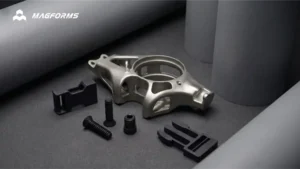
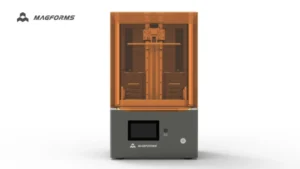
The Industrial SLA 3D Printer is a laser-based additive manufacturing system that converts liquid photopolymer resin into precise solid parts through controlled photopolymerization.
Unlike consumer resin printing systems, industrial SLA performance depends on the synchronization of three key elements: laser energy delivery, scanning accuracy, and resin response. These systems work together during every layer formation cycle to determine dimensional accuracy, surface quality, and production consistency.
Based on stereolithography (SLA) technology, industrial SLA systems create parts directly from digital models without molds or complex tooling. Understanding the Industrial SLA 3D Printer working principle requires analyzing how optical control, mechanical movement, and material behavior interact throughout the printing process.
How Industrial SLA 3D Printer Systems Work: System-Level Mechanics
At a system level, an Industrial SLA 3D Printer operates through three interconnected subsystems:
· Optical energy delivery system
· Motion control system
· Photopolymer resin system
These components work together during each printing cycle. The optical system controls laser exposure, the motion system defines scanning position, and the resin system determines curing behavior.
The interaction between energy, movement, and material response is the foundation of SLA precision. Because industrial parts may contain thousands of layers, maintaining synchronization between these subsystems is essential for achieving consistent dimensional accuracy and surface quality.
Laser Energy Delivery Model in SLA 3D Printing
The core of an Industrial SLA 3D Printer is its energy delivery system, where ultraviolet laser energy is precisely controlled and distributed across the resin surface.
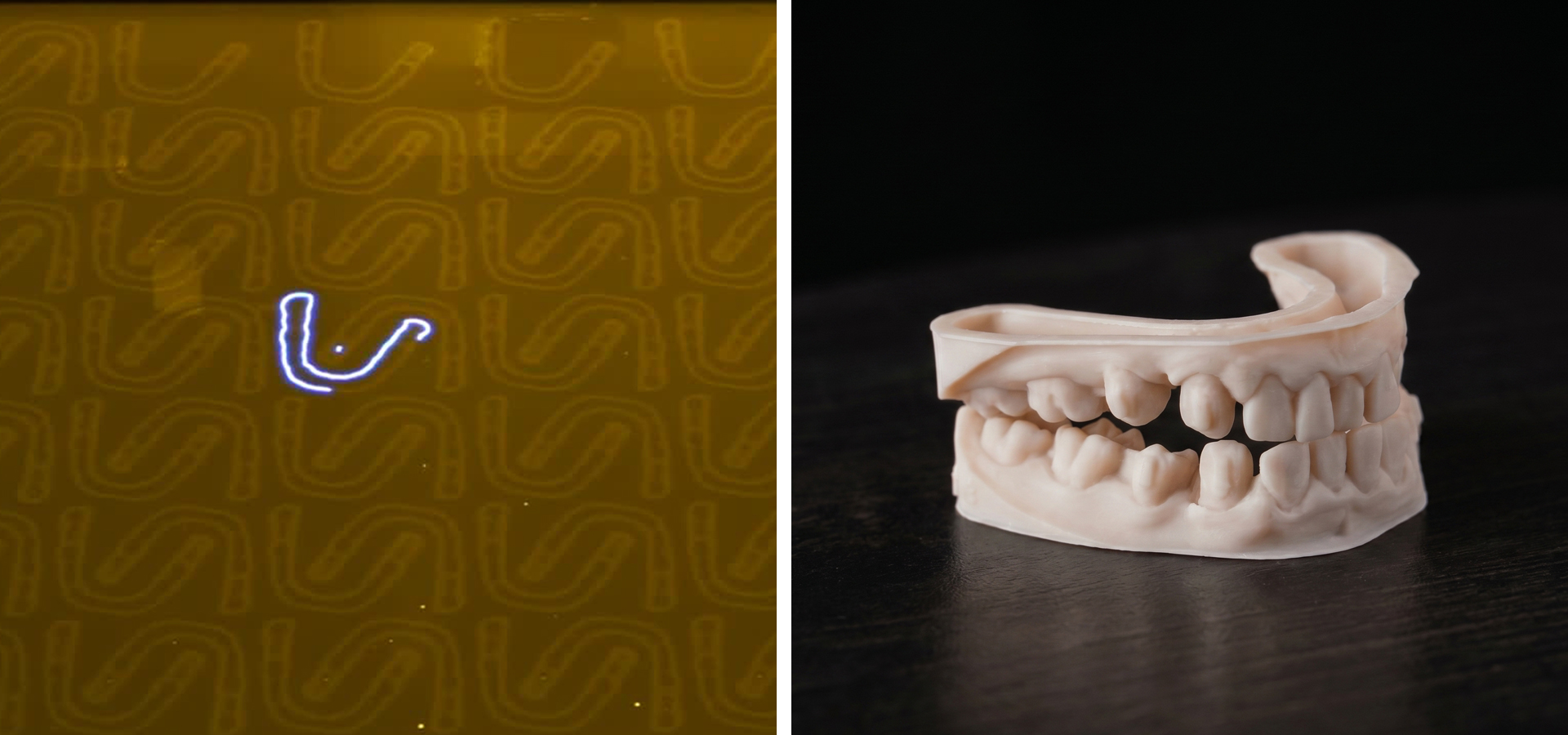
Unlike masked exposure systems such as LCD-based resin printing, industrial SLA relies on vector-based laser scanning and controlled energy deposition. Instead of exposing an entire layer simultaneously, the laser follows programmed scanning paths and delivers controlled energy to specific areas.
The amount of energy delivered to each point depends on several factors:
· Laser power stability
· Scan speed variation
· Exposure duration per point
· Spot size distribution
· Resin sensitivity threshold
The relationship between laser energy and resin response directly determines curing quality.
When energy delivery is too high, excessive curing may occur, causing dimensional expansion and loss of detail accuracy.
When energy delivery is insufficient, incomplete polymerization can result in weak layer bonding and reduced mechanical performance.
Therefore, precise energy control is one of the most important factors that define SLA printing accuracy.
A well-calibrated energy delivery model enables an Industrial SLA 3D Printer to maintain consistent curing behavior across large build areas and long production cycles.
How Layer Formation Works in an Industrial SLA 3D Printer
Each layer in an Industrial SLA 3D Printer is created through a controlled photopolymerization cycle:
1. A recoating system prepares a thin resin layer.
2. The laser selectively exposes areas according to CAD data.
3. Exposed resin polymerizes and solidifies.
4. The build platform moves according to the programmed layer height.
5. Fresh resin is distributed for the next exposure cycle.
This cycle repeats until the entire part is completed.
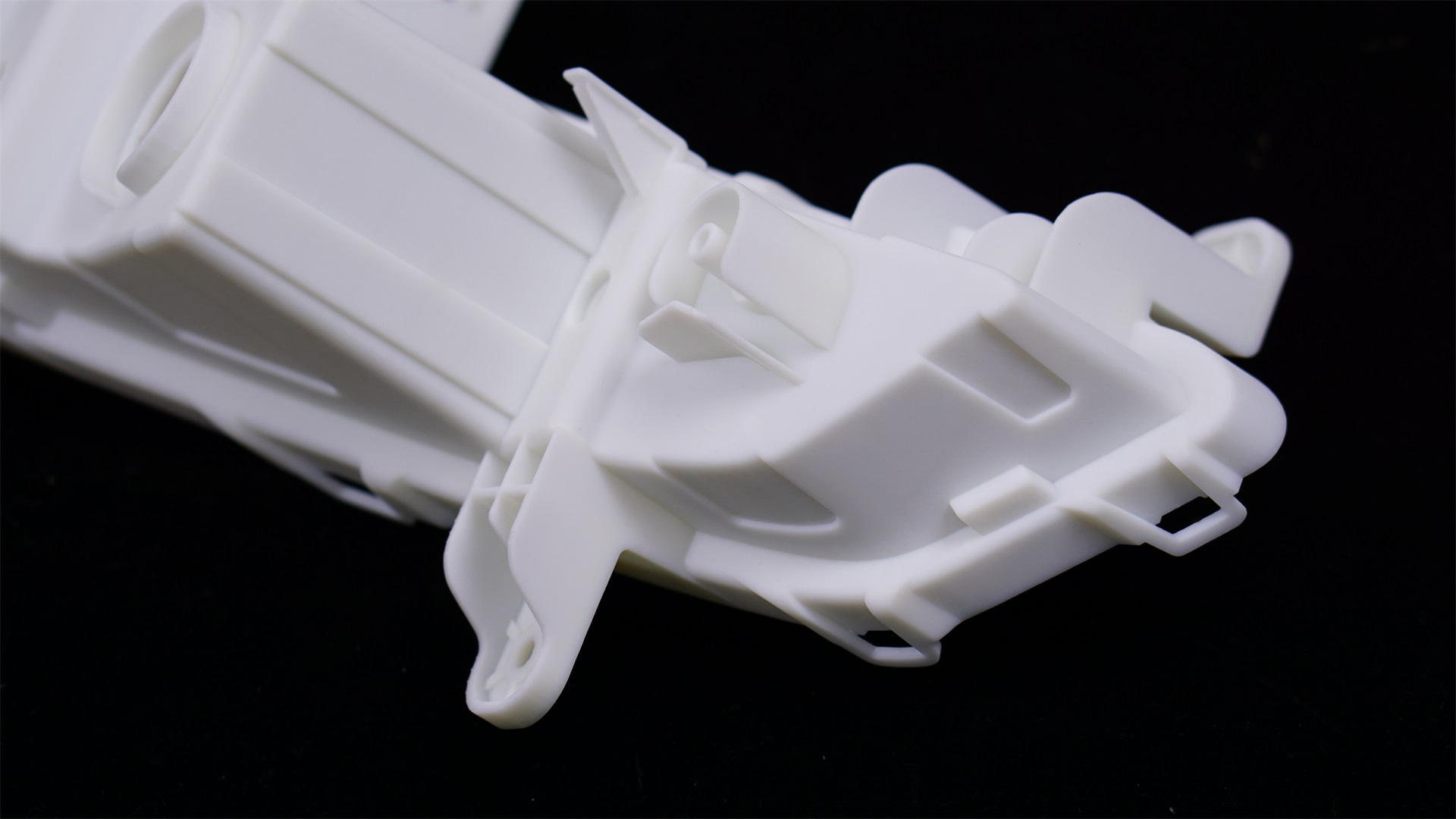
Because SLA forms geometry directly from digital data, it can create complex structures such as thin walls, internal channels, and detailed surfaces without traditional tooling. This advantage makes it suitable for Medical Device Prototyping Using SLA 3D Printing, where complex geometries and precise validation models are often required. The consistency of each layer formation cycle is a key factor behind the dimensional accuracy and repeatability of industrial SLA printing.
How Scan Path Strategy Affects SLA Printing Accuracy
In an Industrial SLA 3D Printer, the laser cures each layer through vector scanning controlled by a galvanometer system. The scan path determines how laser energy is distributed across the resin surface and directly affects dimensional accuracy.
Important scanning parameters include:
· Path overlap between adjacent scan lines
· Acceleration and deceleration during direction changes
· Galvanometer mirror response
· Hatch spacing between scan vectors
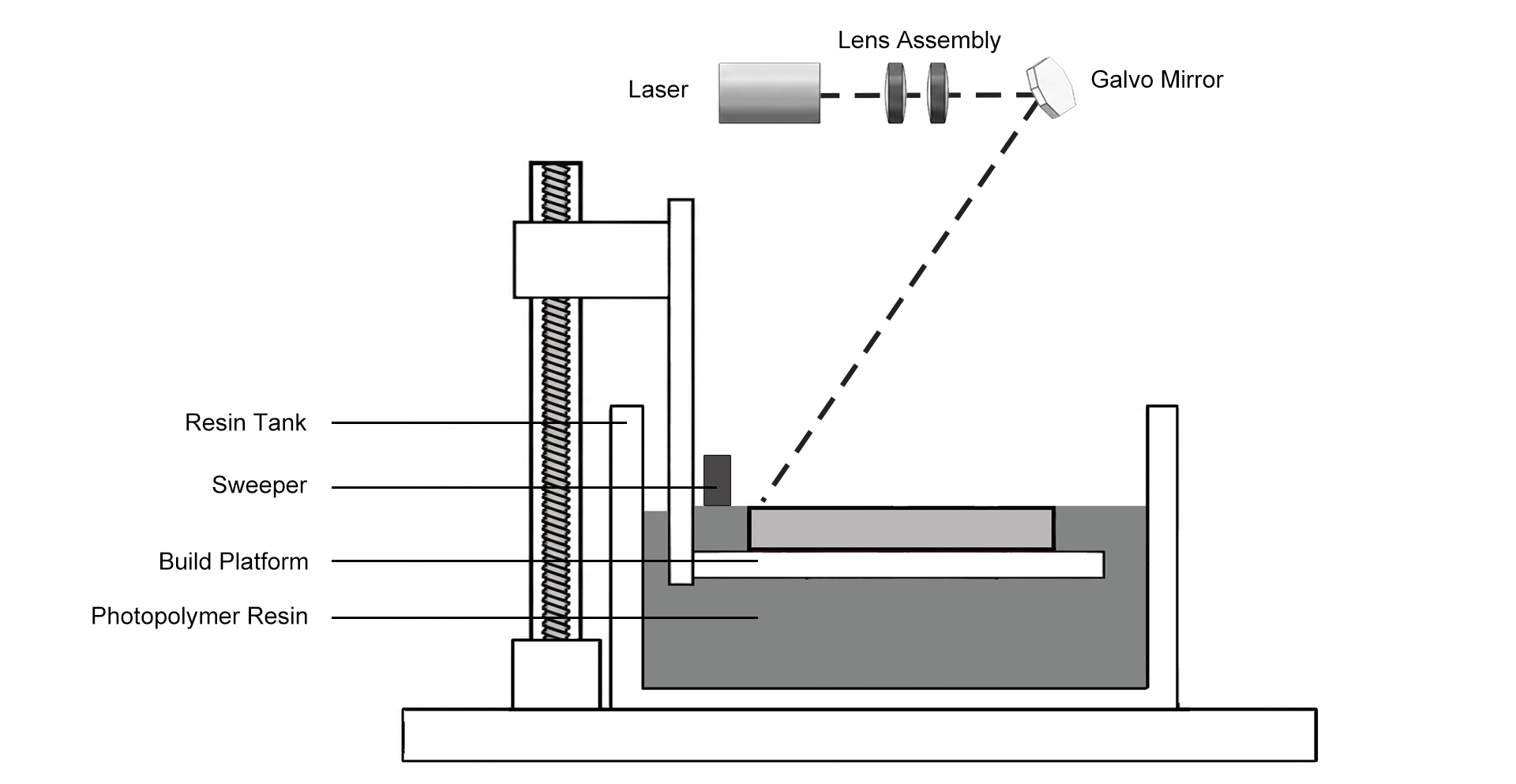
Poorly optimized scan strategies may cause uneven curing, localized overexposure, or geometric distortion. For example, sharp corners require precise galvanometer control because rapid movement changes can introduce positioning errors.
Therefore, industrial SLA systems use optimized scanning algorithms to balance speed, energy distribution, and accuracy. The combination of precise galvanometer control and intelligent scan strategies enables reliable reproduction of complex geometries.
Industrial SLA Stability and System Control Mechanisms
The stability of an Industrial SLA 3D Printer is not based on a single component but on continuous system calibration and environmental control.
Industrial SLA performance depends on maintaining stable operating conditions throughout the entire printing process.
Key stability mechanisms include:
· Laser power consistency over time
· Galvanometer calibration alignment
· Resin temperature stability
· Z-axis positioning repeatability
· Vibration isolation during exposure

Even small variations in these parameters can introduce cumulative errors during long builds.
For example, changes in resin temperature can influence viscosity and curing behavior, while mechanical vibration may affect positioning accuracy during laser exposure.
Industrial SLA systems minimize these effects through calibration strategies, controlled mechanical structures, and optimized operating environments.
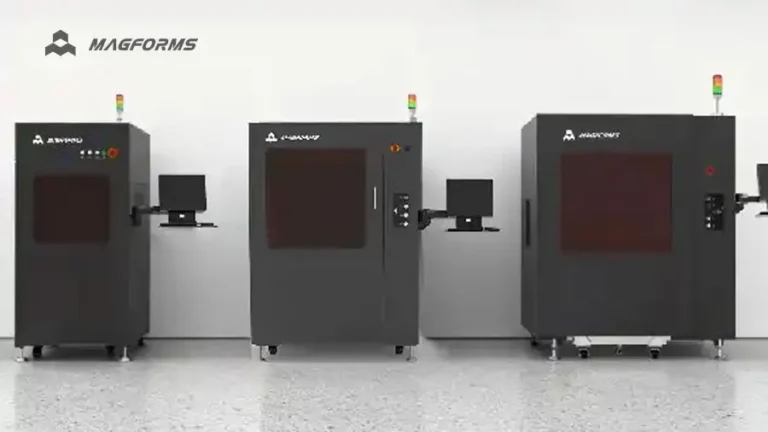
These stability requirements are also important when selecting an industrial SLA system, as different machine configurations provide different levels of build volume, laser performance, and production capability.
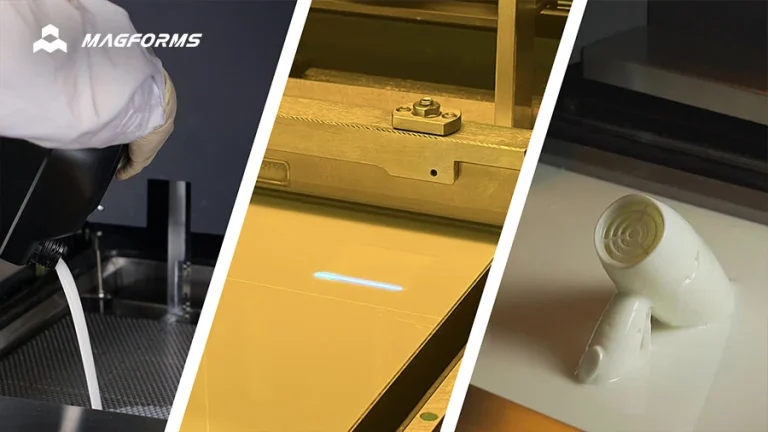

Common Error Mechanisms in Industrial SLA 3D Printing
In SLA systems, errors do not originate from a single failure point but from accumulated micro-scale deviations across multiple subsystems.
Understanding these error mechanisms is essential for improving the performance of an Industrial SLA 3D Printer.
Common error sources include:
· Overcuring expansion → excessive energy exposure
· Under-curing weakness → insufficient laser dosage
· Layer misalignment → Z-axis positioning deviation or recoating instability
· Thermal drift distortion → resin property variation
· Scan lag distortion → galvanometer inertia effects
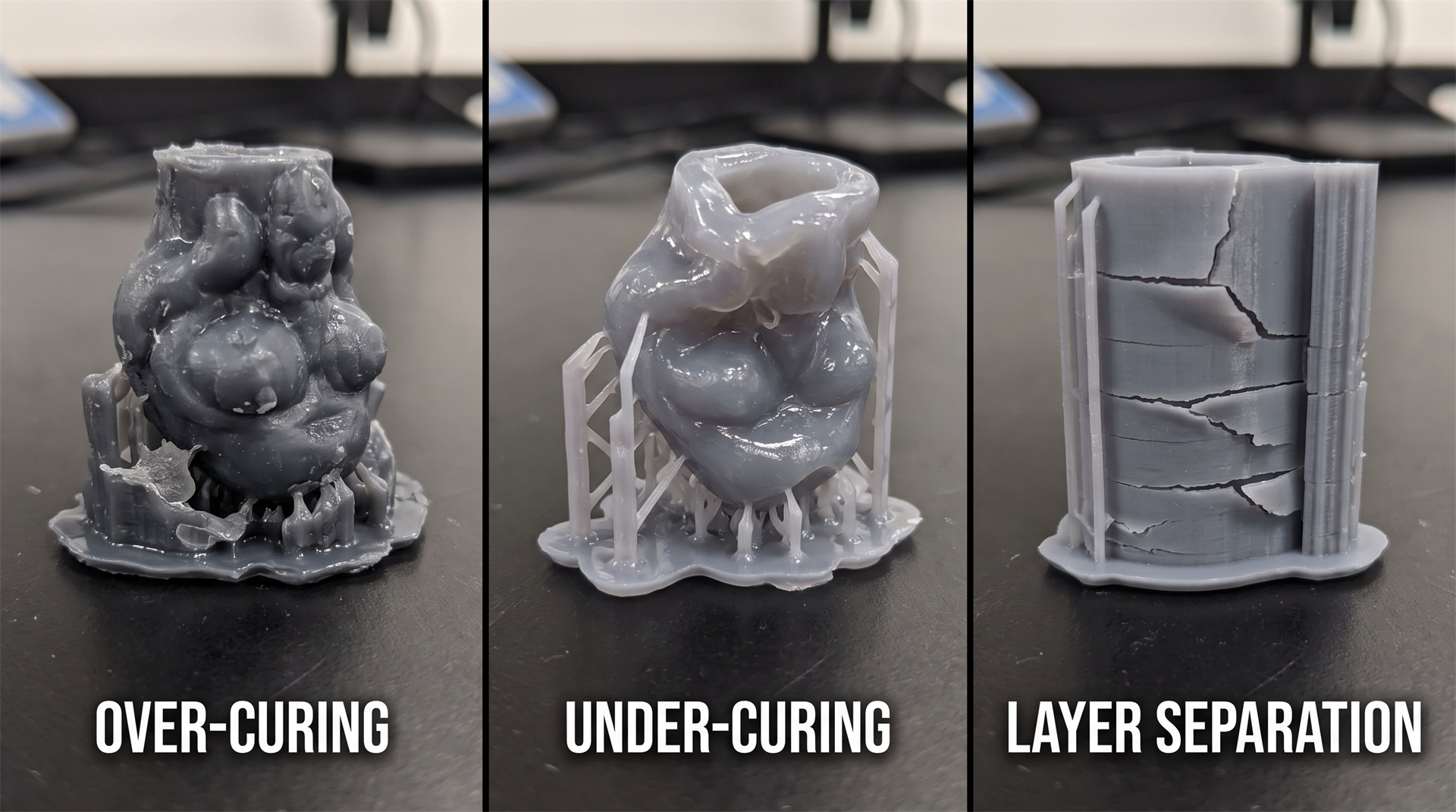
These errors are typically small at each layer but can accumulate throughout the complete build height.
For large industrial parts, even minor deviations repeated across thousands of layers may affect dimensional accuracy, surface consistency, and assembly compatibility.
By controlling laser parameters, mechanical accuracy, and material conditions, industrial SLA systems reduce these error mechanisms and improve overall reliability.

What Determines SLA 3D Printing Accuracy and Precision
The accuracy of an Industrial SLA 3D Printer comes from the synchronization of three fundamental variables:
· Energy control (laser exposure precision)
· Spatial control (galvanometer positioning accuracy)
· Material response (resin curing behavior)
These three factors work together throughout the printing process.
Energy control determines how much laser power is delivered to each area of the resin surface.
Spatial control determines where that energy is applied and ensures that the laser follows the intended geometry.
Material response determines curing behavior, shrinkage characteristics, and final dimensional stability.
When these elements remain synchronized, SLA systems can reliably reproduce fine features, thin structures, and complex geometries.
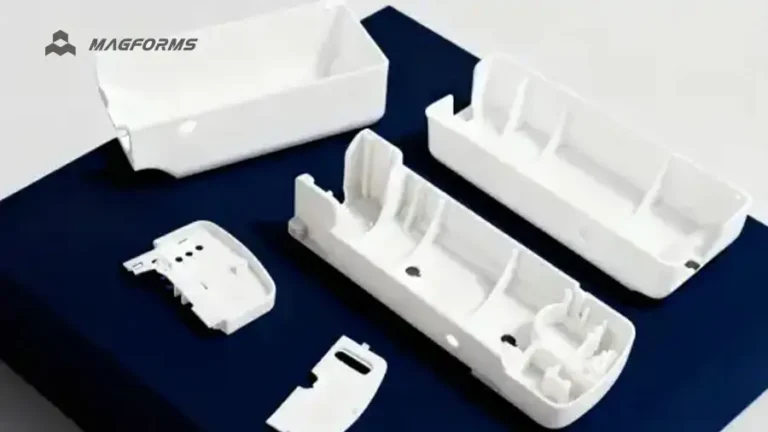
This makes industrial SLA particularly suitable for applications where dimensional accuracy and surface quality are critical, including engineering validation, functional prototypes, and advanced product development.
Industrial SLA 3D Printing Workflow Explained
The workflow of an Industrial SLA 3D Printer follows a structured digital-to-physical manufacturing process.

The complete workflow includes:
- CAD geometry preparation
- Layer slicing and digital model processing
- Vector-based scan path generation
- Support structure optimization
- Resin preparation and system setup
- Laser-based layer exposure
- Part removal and cleaning
- UV post-curing stabilization
- Dimensional inspection and quality verification
Each stage contributes to maintaining system-level consistency from the original digital model to the final physical component.
Before printing begins, CAD data must be optimized to ensure correct geometry, support placement, and printing orientation.
During printing, the laser system, galvanometer scanner, and motion platform work together to accurately reproduce the designed structure.
After printing, post-processing and inspection ensure that the final part meets required dimensional and mechanical specifications.
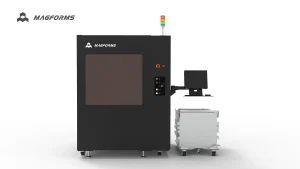
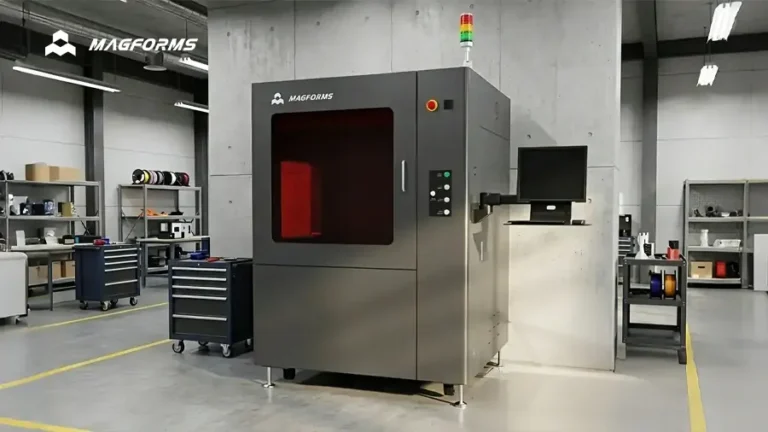
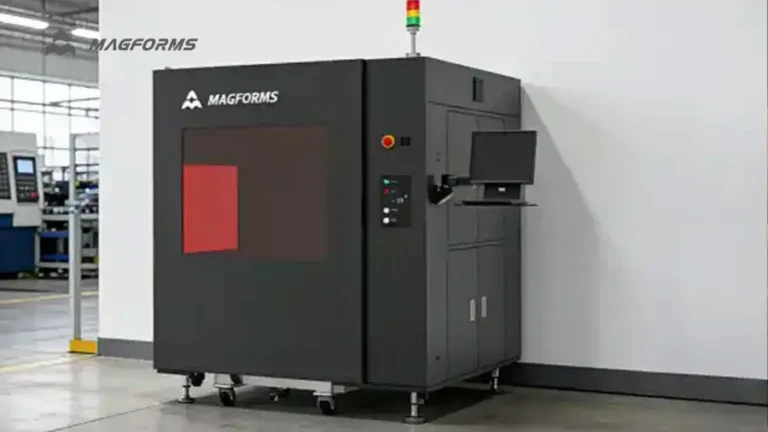
This complete workflow allows an Industrial SLA 3D Printer to function as a reliable manufacturing tool rather than only a rapid prototyping device. For manufacturers requiring larger build capacity, large-format industrial SLA systems, such as the SL800 Industrial SLA 3D Printer, demonstrate how advanced laser scanning, stable motion control, and optimized workflows support demanding production environments.
How Optical, Mechanical, and Material Systems Integrate in Industrial SLA 3D Printing
The performance of an Industrial SLA 3D Printer depends on the integration of optical control, mechanical positioning, and photopolymer resin behavior.
The optical system manages laser energy delivery, the mechanical system ensures accurate movement, and the resin system determines curing response. These systems continuously interact during printing to maintain consistent exposure conditions and dimensional stability.
For example, changes in resin properties may influence exposure requirements, while positioning accuracy affects how precisely the laser follows the designed scan path. By coordinating these factors, industrial SLA systems achieve reliable accuracy, repeatability, and surface quality throughout complex production cycles.
Conclusion: Understanding How Industrial SLA 3D Printer Technology Works
The Industrial SLA 3D Printer achieves high precision through the coordinated operation of laser energy control, scanning mechanics, motion accuracy, and photopolymer resin behavior.
Rather than relying only on laser curing, SLA performance depends on precise system integration. By controlling energy distribution, scanning strategies, and material response, industrial SLA technology enables manufacturers to produce accurate, repeatable parts for engineering validation, prototyping, and advanced manufacturing applications.