A few weeks ago, a client from the industrial components sector reached out to us regarding high-precision transparent structural parts used in assembly verification systems.
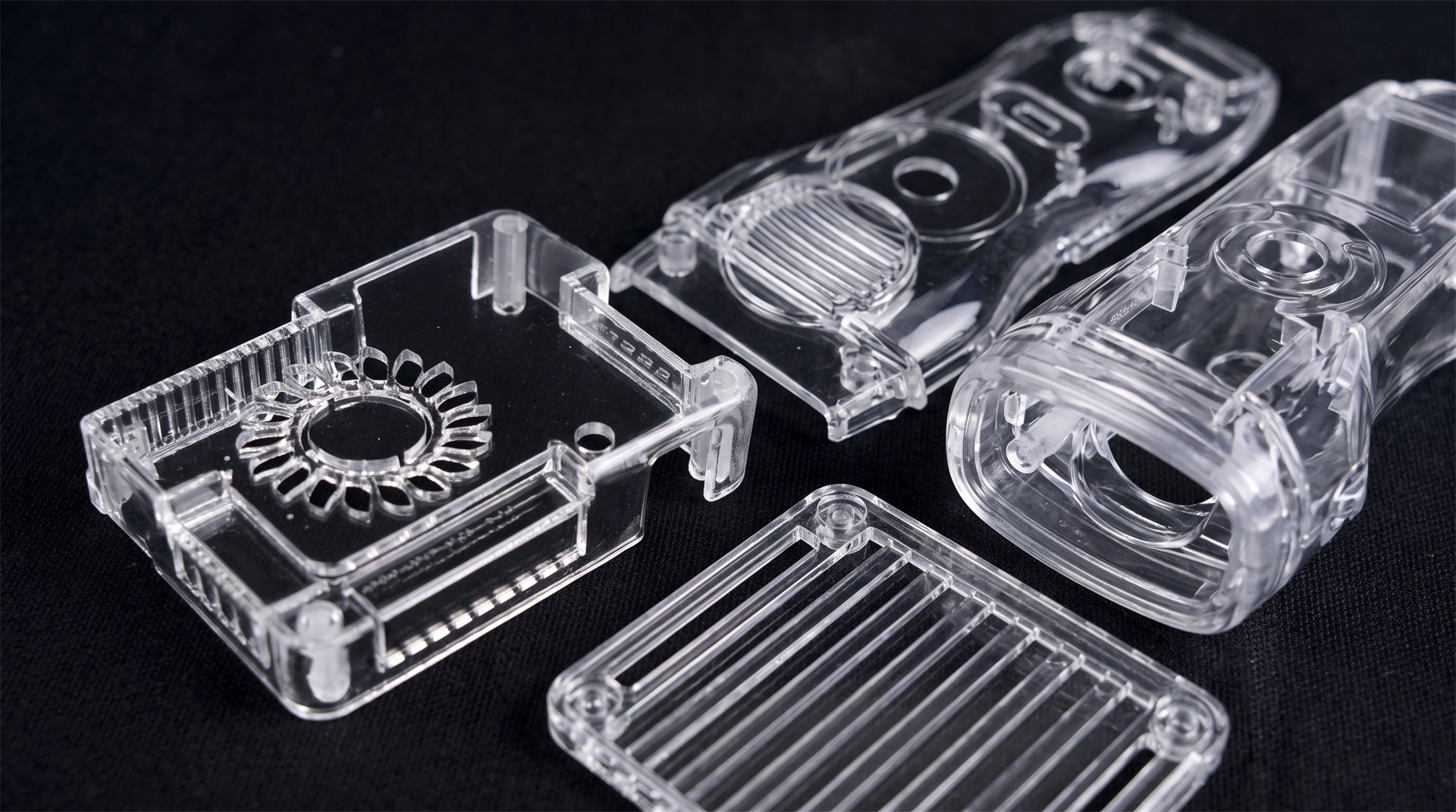
During their evaluation of multiple industrial SLA 3D printer suppliers, they found that although most systems could meet basic dimensional requirements, the production stability of transparent parts remained inconsistent, especially in long-cycle batch manufacturing.
As the discussion continued, it became clear that the core concern was not only geometric accuracy, but also how stereolithography behaves during continuous laser curing and how it affects optical clarity in transparent resin parts.
At this point, we introduced a more detailed explanation of SLA technology, including how laser-based curing, layer bonding, and exposure control influence both dimensional stability and transparency performance in industrial applications.
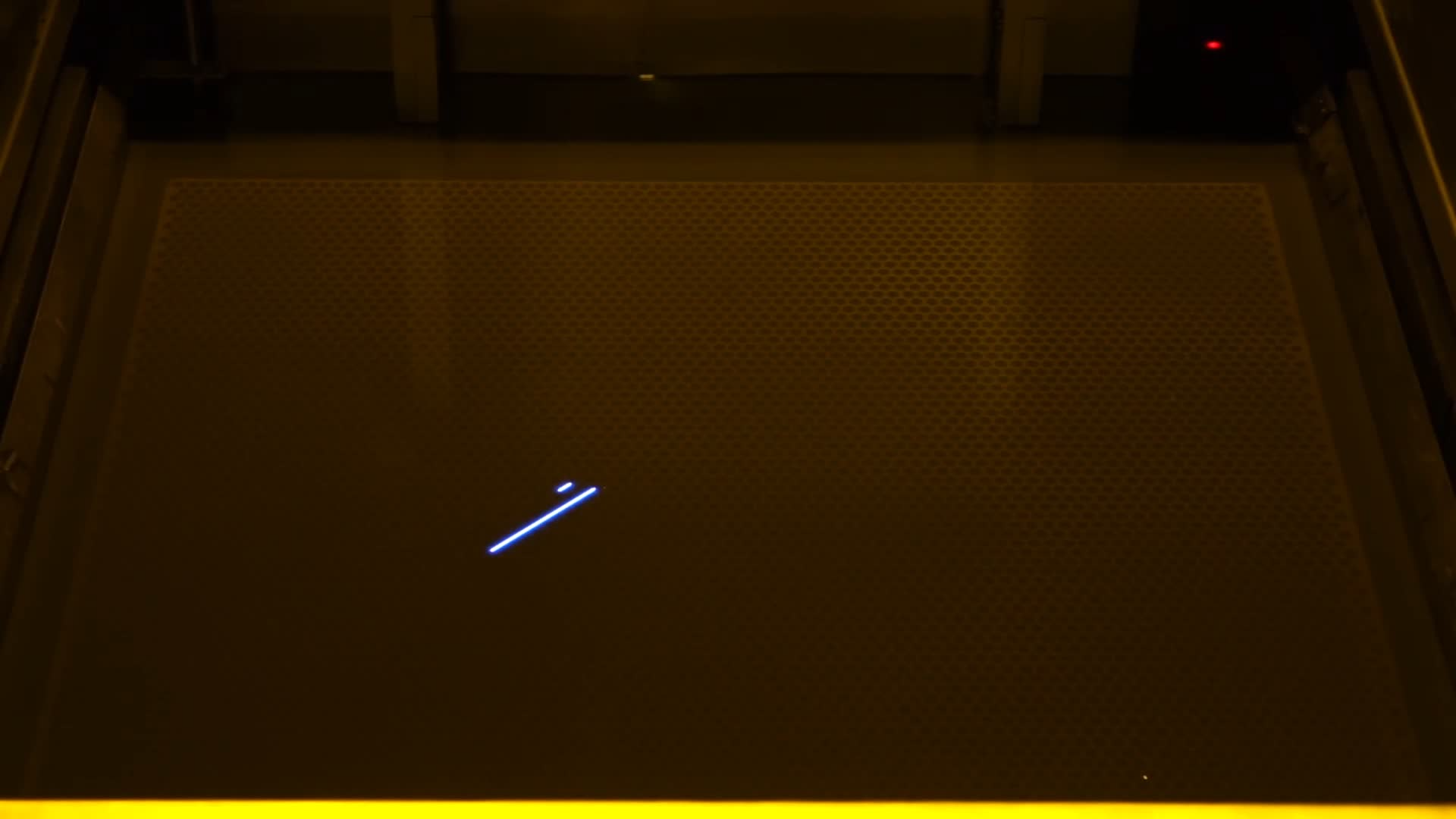
You can refer to SLA Technology Overview for a deeper understanding of how stereolithography works in industrial production environments.
“Can your Industrial SLA 3D Printer ensure stable transparent part production?”
The client asked directly:
“Can the SL800 maintain stable yield for transparent components in continuous production?”
We explained that in most industrial SLA 3D printer workflows, unstable transparent parts are rarely caused by a single machine parameter, but rather by inconsistencies in pre-print alignment and system preparation.
However, the client responded:
“Other suppliers claim their machines are industrial-grade SLA systems, but we still see unstable results.”
Hidden instability in Industrial SLA 3D Printer workflows
After deeper communication, we identified several root causes:
· Build platform leveling drift during long production runs
· Resin temperature instability affecting curing consistency
· Lack of structured pre-print verification
· Operator-dependent calibration errors
These issues are common in scaling from prototyping to production using an industrial SLA system.
- To understand system-level differences in machine categories, you can also explore:Industrial SLA Printer Category for a breakdown of different industrial Resin 3D Printer configurations and capabilities.
Why SL800 performs better in Industrial SLA 3D Printer production environments
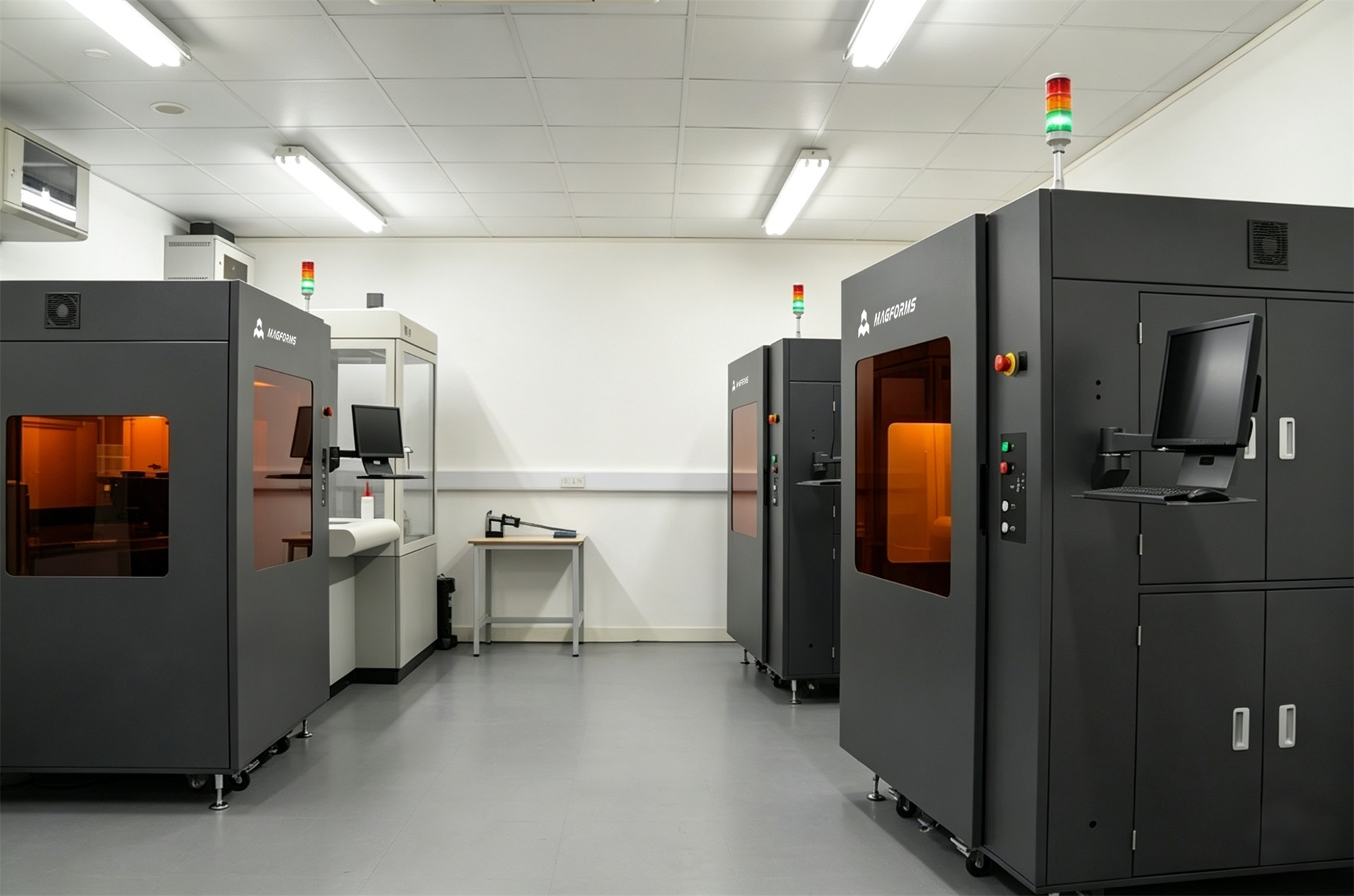
The Magforms SL800 is designed specifically for stable industrial production.
Its architecture is built on high-end components:
· AOC laser system ensuring stable 7×24 operation
· German Scanlab galvanometer for precise beam control
· Panasonic servo motors for motion stability
· Schneider industrial electrical components
· Philips UV protection system
· High-flatness build platform for deformation control
These components ensure that SL800 maintains consistent performance in long-cycle transparent 3D printing applications.
Case insight: instability is often caused by pre-print preparation, not hardware limits
During discussion, the client shared feedback from internal testing:
One engineer noted that previous industrial SLA 3D printer systems could achieve specification-level performance, but batch consistency was unstable.
The root cause was not equipment capability but the absence of structured pre-production validation steps.
To address this, SL800 introduces a structured workflow:
Step 1: Optical alignment calibration
The laser beam is manually aligned to reference points to ensure system accuracy before printing begins.
Step 2: Multi-system verification
Platform motion, resin leveling, and scraper movement are validated through feedback systems to eliminate drift.
Step 3: Mechanical locking confirmation
All structural locking points are secured to ensure long-cycle stability during production.
This ensures that SLA 3D printing accuracy is maintained consistently, not dependent on operator experience.
Result: improved transparency yield and lower production cost
After adopting the SL800 industrial SLA 3D printer, the client reported:
· Higher success rate in transparent part production
· Reduced reprint cycles
· Lower resin waste
· Shorter production lead time
· Improved batch-to-batch consistency
Especially in transparent 3D printing, optical clarity and dimensional stability became significantly more predictable.
Conclusion
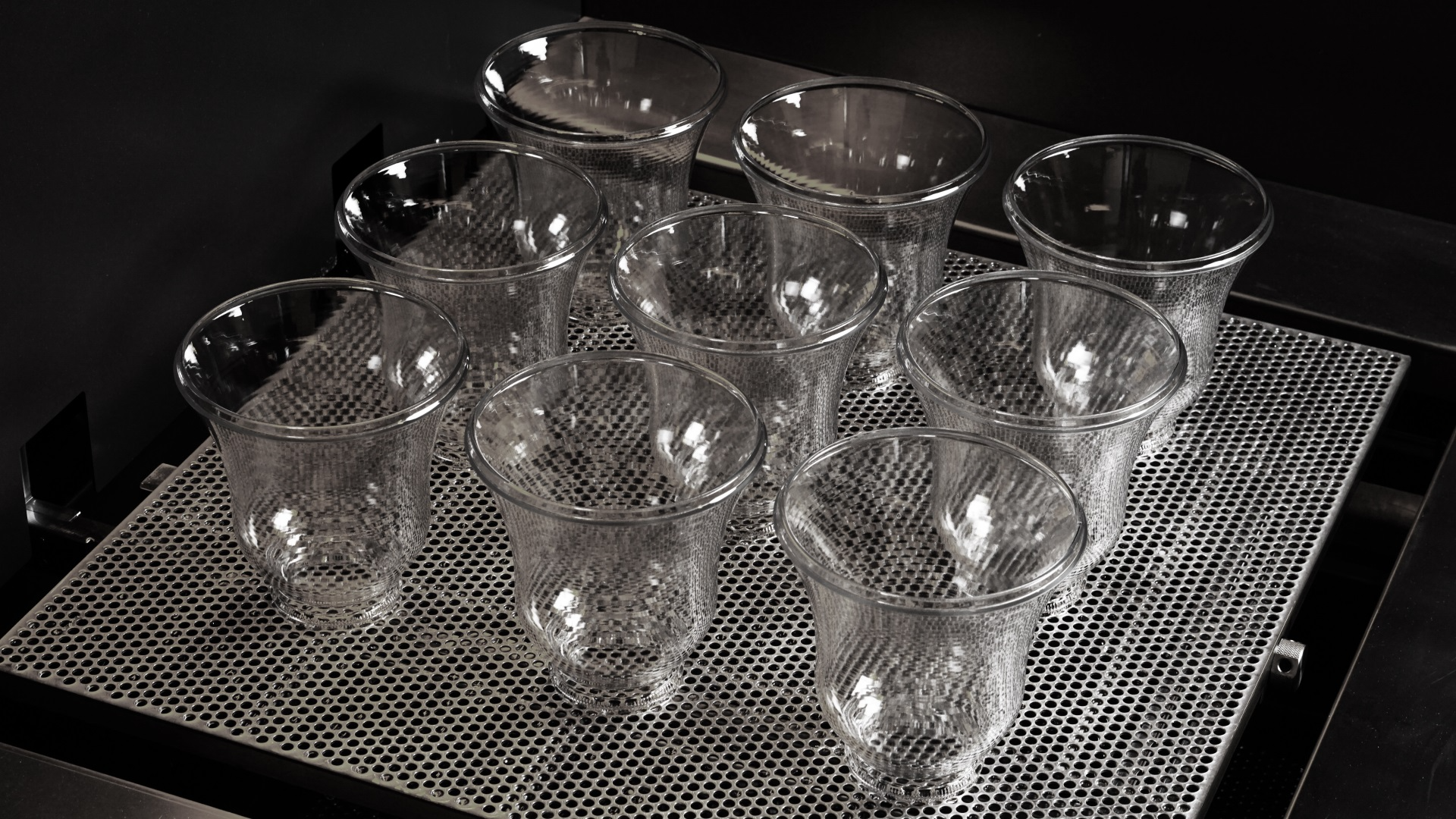
In high-precision industrial applications, the performance of an industrial SLA 3D printer is not determined only by hardware specifications, but by the stability of the entire production workflow.
SL800 demonstrates that when system stability and structured pre-print preparation are combined, industrial resin 3D printer systems can achieve both high yield and consistent optical quality.
- Learn more about the product here: SL800 SLA 3D Printer