An industrial SLA 3D printer can reduce failed prints and downtime by keeping the printing process stable and predictable throughout long production jobs, helping manufacturers avoid unexpected failures that waste hours of machine time.
Imagine a 40-hour SLA build failing near the end of the job. The loss is not only the resin in the failed part. The printer has also been occupied for almost two days, the operator has spent time preparing and monitoring the job, and the next production task may have to wait.
That is the real production problem: not whether an SLA printer can print a part once, but whether it can keep the same printing process stable long enough to finish the job as planned.
For manufacturers evaluating an SLA printer for production, this makes printing stability a practical production requirement, not simply a technical specification.
Why Can the Same SLA Print Succeed Once and Fail the Next Time?
The same model and the same printing parameters do not always guarantee the same result because SLA printing depends on several systems remaining stable throughout the build.
A production SLA process involves three closely connected areas:
· Optical system: delivers and positions the laser energy used for curing.
· Mechanical system: maintains repeatable movement and positioning.
· Material and process conditions: determine how the resin responds to the applied exposure.
If one of these factors changes during a long build, the printing result can also change.
This is why one successful print does not automatically mean production reliability.
For an SLA printer for manufacturing, the goal is therefore not simply to make a successful part. The goal is to make the conditions that produce that part more stable and controllable.
What Makes an SLA Printing Process Unstable?
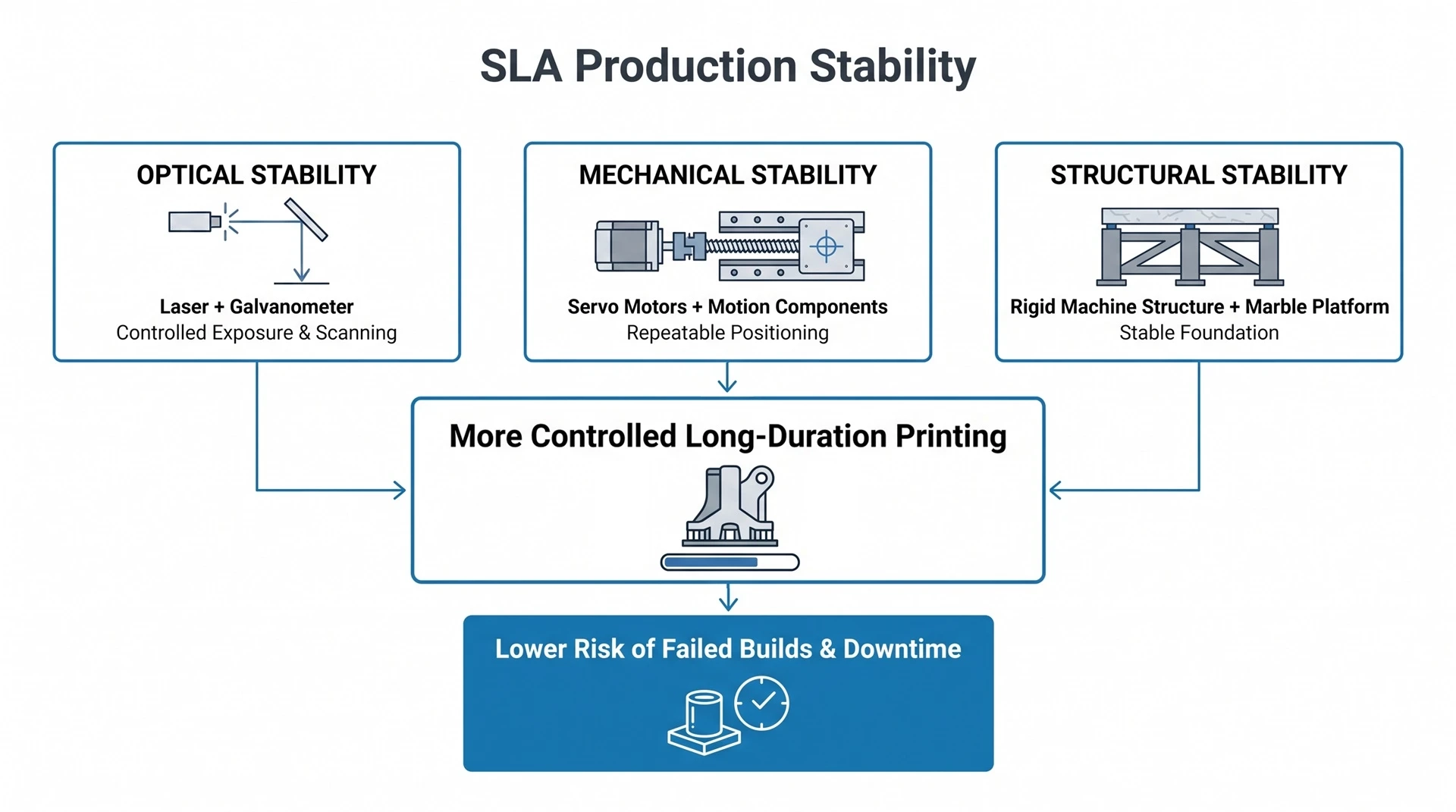
The same model and parameters can still produce different results when the conditions around the printing process change. For long-duration production, three areas are particularly important:
| Factor | Why It Matters |
| Optical stability | Consistent laser exposure and scanning support consistent curing. |
| Mechanical stability | Repeatable movement and positioning help maintain layer accuracy. |
| Material and process stability | Consistent exposure and process conditions help the resin cure predictably. |
If these conditions remain stable, the established printing process is less likely to be disrupted during a long build.
To understand how these factors interact during laser-based stereolithography, see our guide to how laser-based SLA 3D printing works.
How Should a Production SLA Printer Reduce These Sources of Variation?
A production SLA printer for manufacturing should control these variables at the equipment level rather than relying on operators to correct problems after they occur. These considerations are central to selecting the right industrial SLA 3D printers for production environments.
The basic approach is:
Stable optics → repeatable motion → rigid structure → more controlled printing conditions
The objective is not to eliminate every possible printing failure, but to reduce avoidable equipment-related variation before it becomes a failed production build.
How Does the SL800 Improve Printing Process Stability?
The SL800 focuses on one core advantage: an industrial-grade stable printing system that keeps the optical, motion, and structural elements of the printing process under control.
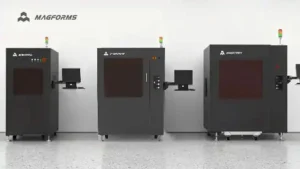
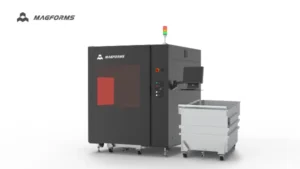
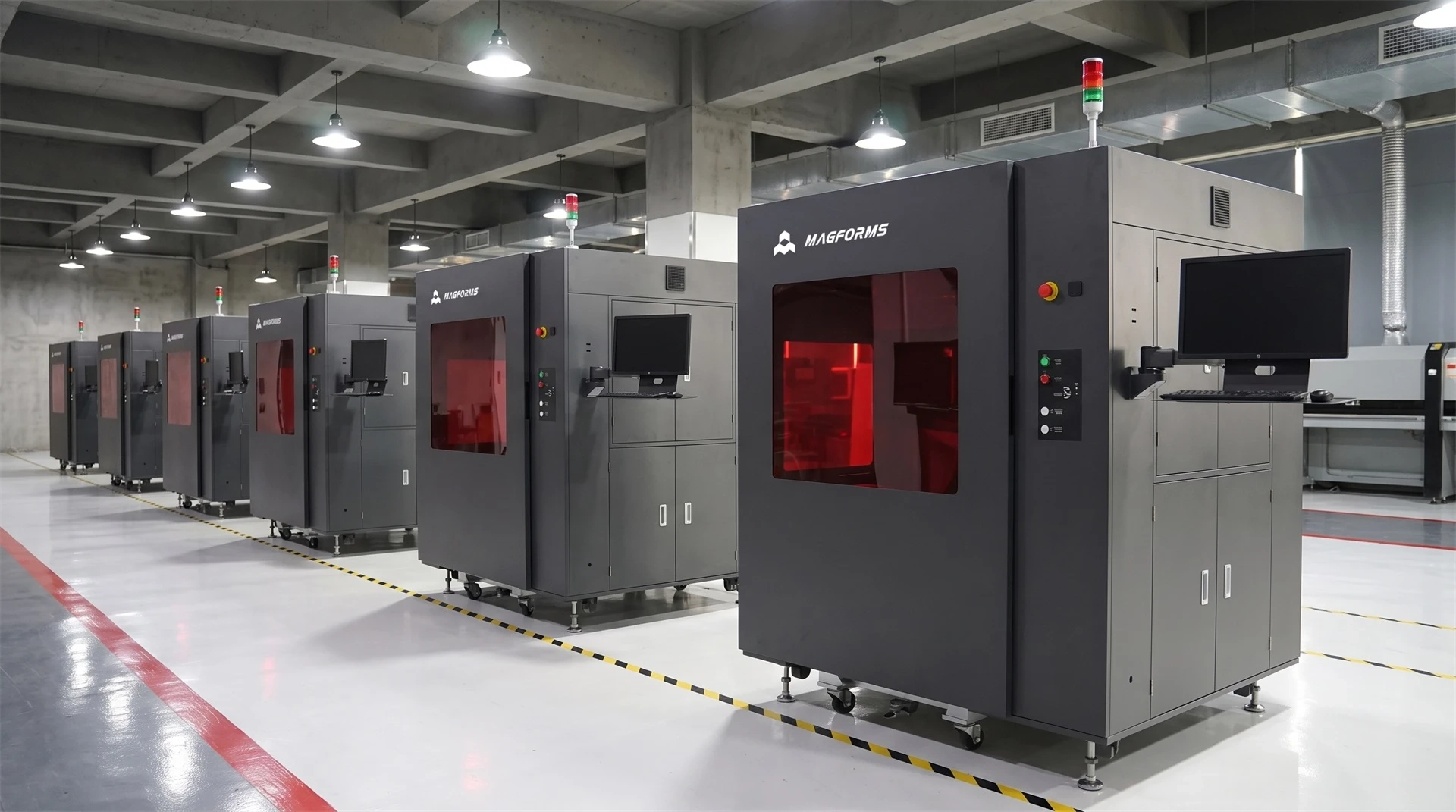
The SL800 industrial SLA 3D printer is designed around this integrated approach to production stability.
| SL800 Design | Role in Printing Stability |
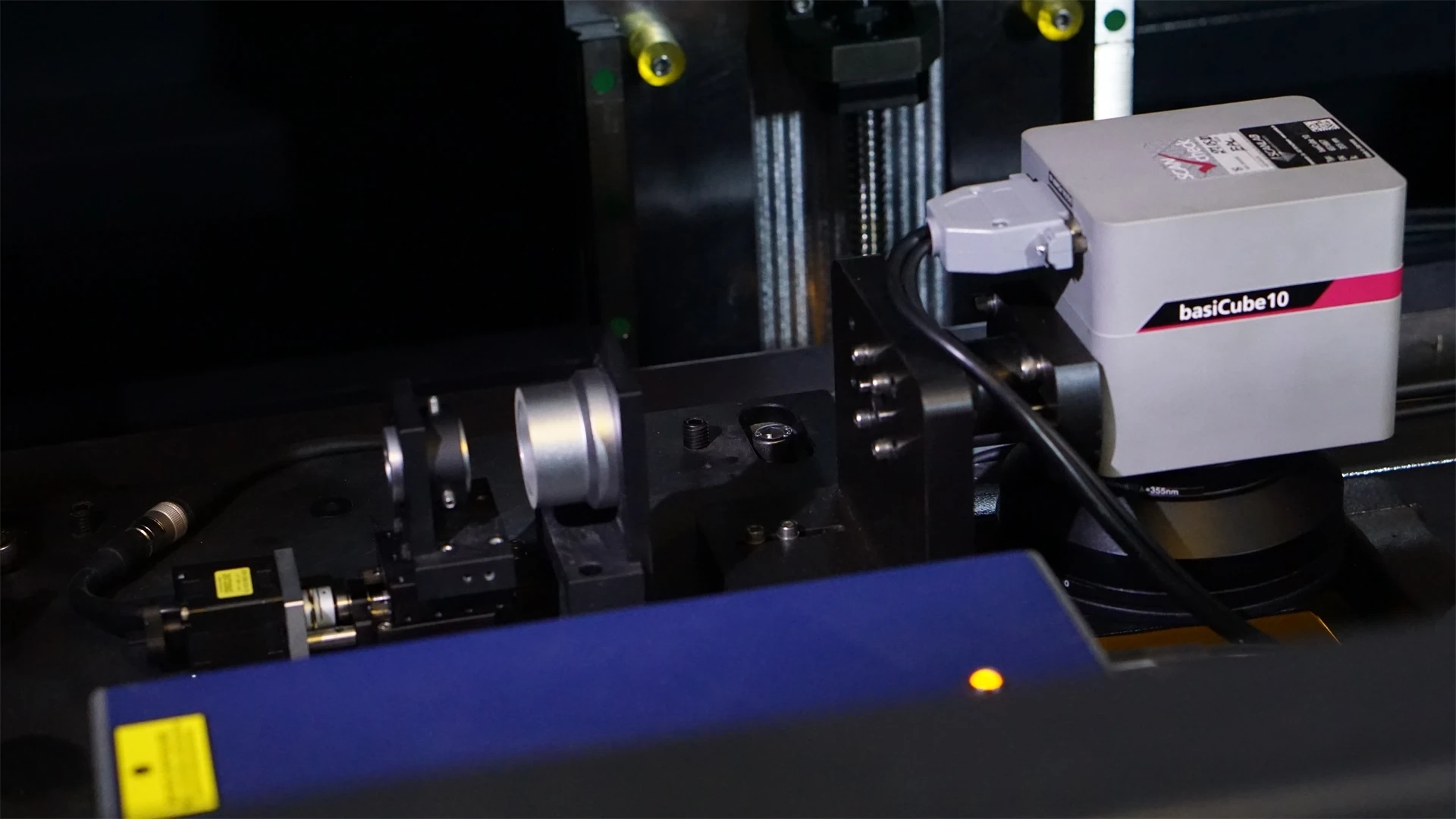
| AOC laser + Scanlab galvanometer | Supports controlled laser exposure and scanning. |
| Panasonic servo motors + HIWIN motion components | Supports repeatable machine movement and positioning. |
| ≥2 mm sheet metal + adjustable marble platform | Provides a rigid mechanical foundation for long-duration, large-format printing. |
The key is that these systems work together. Stable optical performance depends on stable mechanical positioning, while both rely on a rigid machine structure.
What Does Real Production Data Show About SLA Printing Stability?
For a production printer, long-duration builds are a more meaningful test of stability than a single short print.
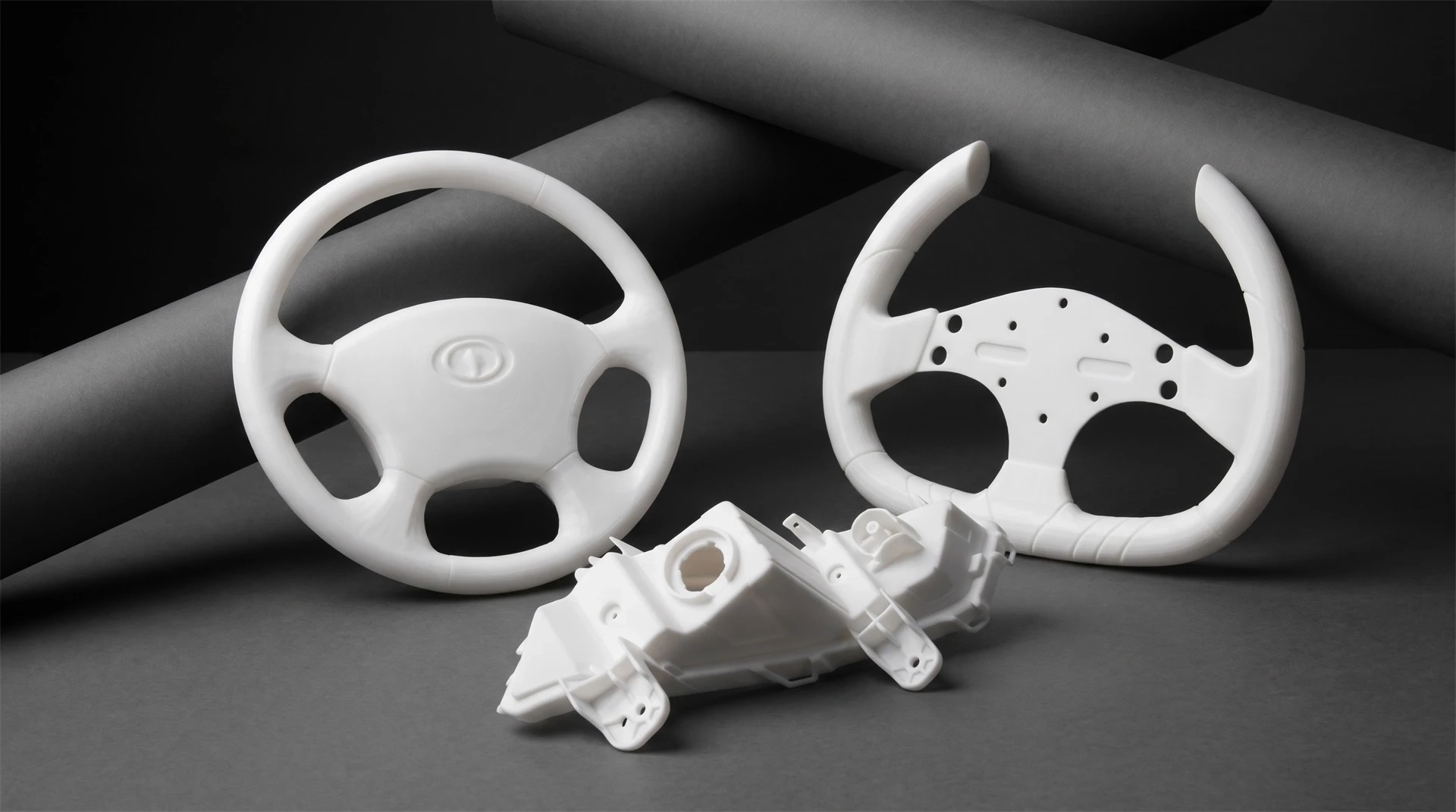
Using the same resin and printing parameters, the SL800 successfully completed three different production builds: an automotive wheel rim, nine shoe molds, and four automotive steering wheels. Each build ran for more than 24 hours, with the longest lasting 42 hours 54 minutes.
SL800 Production Printing Results
| Production Build | Print Time | Resin Used | Result | Parameter Changes | Unplanned Interruptions |
| Automotive wheel rim | 42h54min | 4,306g | Successful | None | None |
| 9 shoe molds | 29h36min | 5,516g | Successful | None | None |
| 4 automotive steering wheels | 24h14min | 2,198g | Successful | None | None |
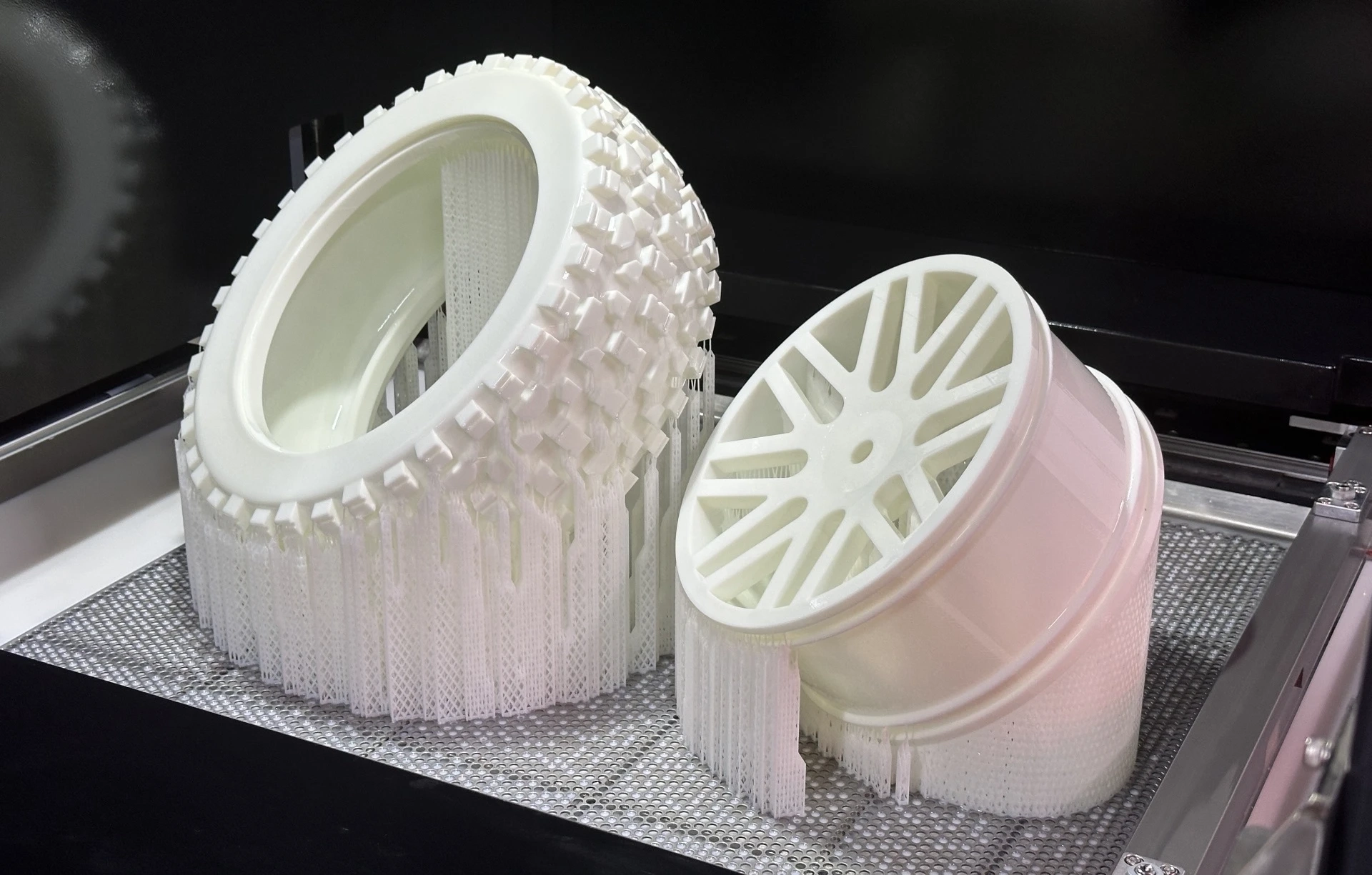
Across the three builds, the SL800 accumulated approximately 96 hours and 45 minutes of printing time, with all three builds completed successfully without parameter changes or unplanned interruptions.
The builds also covered different geometries and production applications while maintaining the same resin and printing parameters. This provides practical evidence that the printing process can remain stable during long-duration production jobs without requiring repeated operator intervention.
For manufacturers, the benefit is practical: when a long production build runs as planned, valuable machine time is converted into finished parts instead of being lost to unexpected interruptions and reprints.
How Does Printing Stability Help Reduce Failed Prints and Downtime?
A failed large-format build can consume many hours of machine time before the problem becomes visible. Reprinting then adds more resin, operator time, and production delay.
A more stable printing process helps manufacturers:
· Reduce unexpected reprints
· Protect machine capacity
· Limit operator intervention
· Make production schedules more predictable
The three SL800 builds discussed above required no parameter changes or unplanned interruptions, showing how process stability can translate into practical production benefits.
That is the connection between printing stability and downtime: fewer disruptions mean more scheduled machine time can become finished parts.
Where Can a Stable SLA Printer Support Production?
The SL800 production data covers several applications where long print times make process stability particularly important. These examples show how a stable SLA printer for production can support different production requirements without shifting the focus away from printing reliability.
Automotive: The SL800 successfully completed an automotive wheel-rim build lasting 42 h 54min and a four-steering-wheel build lasting 24 h 14 min. These long-duration builds demonstrate the value of stable printing when a failed job could occupy the machine for many hours.
The automotive builds also reflect how the SL800 can support demanding production and prototyping workflows. See the SL800 automotive 3D printing application for a closer look at its application in practice.
Shoe Mold Production: The SL800 successfully produced nine shoe molds in a single 29 h 36 min build using the same resin and printing parameters. For batch production, completing multiple molds in one build can make better use of machine capacity while avoiding the need to restart individual jobs.
Large Engineering Parts: Long-duration printing is also relevant to large prototypes and other engineering parts. When a build runs for many hours, maintaining stable printing conditions becomes increasingly important because an unexpected failure can result in significant machine-time and material loss.
Together, these applications point to the same production requirement: the longer and more valuable the print job, the more important it is for the printer to keep the established process stable from start to finish.
FAQ: SLA Print Failures and Production Reliability
1.What should manufacturers look for in an SLA printer for production?
Manufacturers should evaluate optical stability, motion repeatability, machine structure, long-duration production evidence, and process consistency rather than focusing only on resolution or print speed.
2.Can an SLA printer eliminate failed prints completely?
No 3D printing system can guarantee that every production job will succeed under every condition. The practical objective is to reduce avoidable process variation and make production more predictable.
3.Why is stability important for an SLA printer for production?
Because production jobs can run for many hours. When a long build fails, manufacturers lose not only material but also machine capacity, operator time, and schedule flexibility.
4.What makes the SL800 suitable for industrial resin 3D printing?
The SL800 combines a stable optical system, repeatable motion components, and a rigid machine structure to support controlled long-duration printing. Its production data also demonstrates successful builds across automotive and footwear applications.
SL800: Built for More Predictable SLA Production
For manufacturers, the goal is not simply to find an SLA printer that can produce one successful part.
The real goal is to make the printing process stable enough to support repeatable production.
The SL800 brings together an AOC laser, Scanlab galvanometer, Panasonic servo motors, HIWIN motion components, a rigid machine structure, and an adjustable marble platform as part of its industrial-grade stable printing system.
The production evidence supports this approach. Three different builds using the same resin and printing parameters were successfully completed, with individual print times ranging from 24 to nearly 43 hours. None required parameter changes or experienced an unplanned interruption.
For manufacturers looking for an SLA printer for production, the principle is simple:
The value of a production SLA printer is not only how well it prints once, but how reliably it can keep the printing process under control throughout long production jobs.
References
1. Gibson, I., Rosen, D., Stucker, B., & Khorasani, M. (2021). Additive Manufacturing Technologies (3rd ed.). Springer.
2. Mhmood, T. R., & Al-Karkhi, N. K. (2023). A Review of the Stereolithography 3D Printing Process and the Effect of Parameters on Quality. Al-Khwarizmi Engineering Journal, 19(2), 1–13.
3. Recent advances in the development of stereolithography-based additive manufacturing processes: A review of applications and challenges. (2024). Bioprinting, 43, e00360