Large Sculpture Production Faced Challenges in Printing Stability and Accuracy
For sculpture manufacturers, transforming digital designs into physical models requires more than large printing dimensions. Production teams must ensure stable operation, accurate details, and consistent quality throughout long printing cycles.
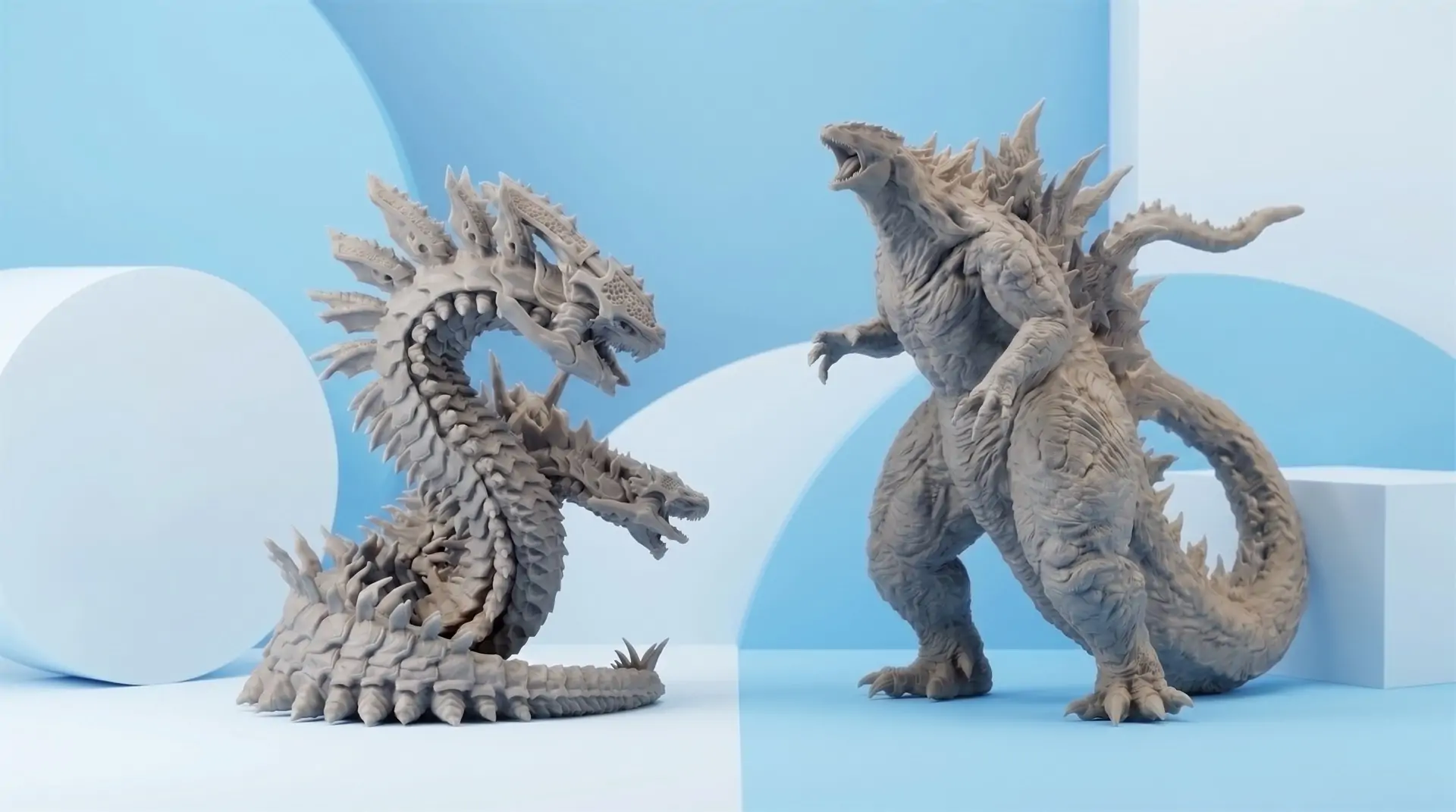
A European sculpture manufacturer specializing in customized art prototypes recently faced significant challenges when producing large-scale models. As project sizes increased, their existing 3D printing for sculpture workflow became difficult to maintain.
The biggest challenge was not only the size of the models but also the reliability of the entire production process.
Large prototypes often required extended printing times. During these long manufacturing cycles, unstable equipment performance could lead to:
· Failed prints after many hours of operation
· Material waste caused by unsuccessful builds
· Additional labor costs for reprinting and post-processing
· Delays in customer approval and project delivery
The manufacturer needed a more reliable Industrial SLA 3D Printer that could handle large models while maintaining stable performance and high-quality results.
Finding a Reliable Solution for Large Prototype Production
Before selecting a new printing system, the customer evaluated several resin 3D printing solutions.
However, many existing solutions could not balance the three key requirements:
· Large build volume for oversized prototypes
· Stable operation during continuous production
· High accuracy for complex artistic details
For sculpture applications, even small dimensional deviations can affect assembly, surface finishing, and the final appearance of the artwork.
The customer was looking for a large format SLA 3D printer that could improve printing reliability while reducing production risks.
Improving Large Prototype Printing Success with Helios-P800
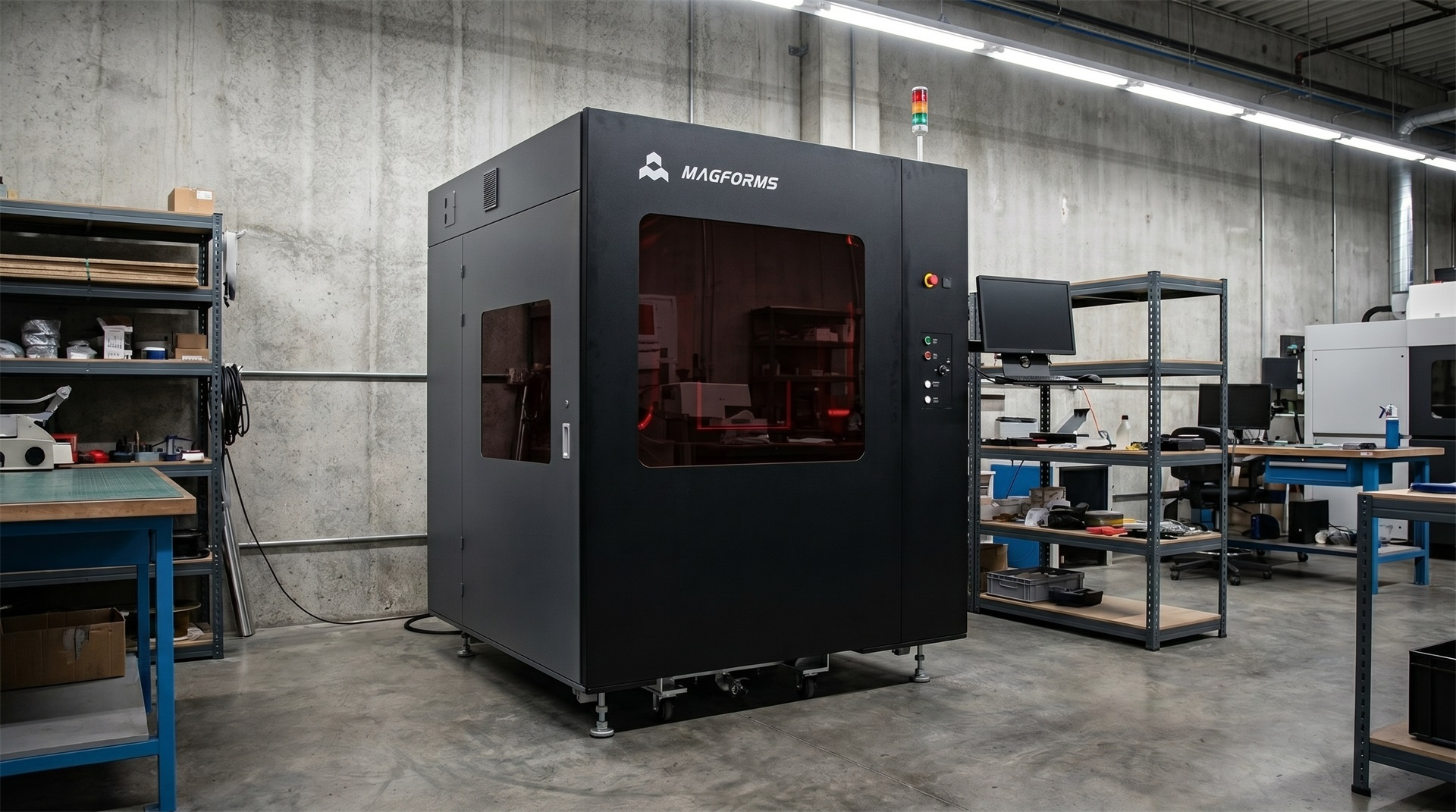
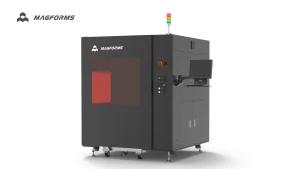
After evaluating different options, the customer selected the Helios-P800 industrial SLA 3D printer as the new production solution.
With a build volume of 800×800×550mm, the system provides sufficient working space for large sculpture models and prototypes.
More importantly, the machine structure and core components help maintain stable performance during long-duration printing.
The system uses an AOC laser source combined with a German Scanlab galvanometer system. This configuration provides stable laser output and accurate scanning performance during continuous operation.
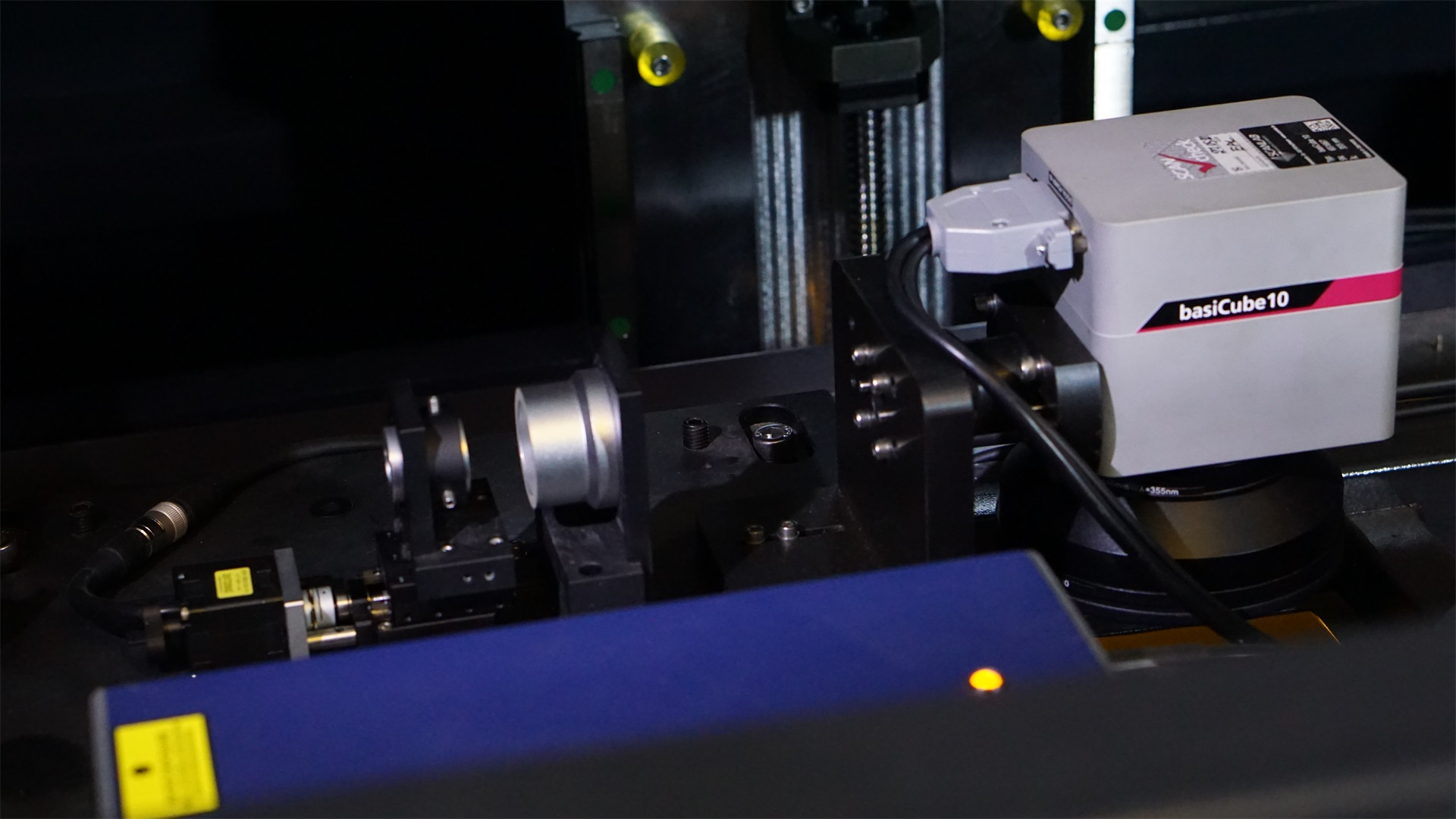
The printer also uses Panasonic servo motors for key motion systems, including the recoater, leveling mechanism, and platform movement. The precise control system helps reduce mechanical errors and improves printing consistency.
For the customer, this stability directly reduced the risk of failed large-format prints and improved overall production efficiency.
Achieving High Accuracy for Detailed Sculpture Prototypes
In sculpture manufacturing, accuracy determines whether the final model can correctly reproduce the original digital design.
The Helios-P800 Industrial SLA 3D Printer provides:
· L≤100mm: ±0.15mm
· L>100mm: ±0.15%×L
The accuracy performance is supported by laser-based stereolithography technology, which enables precise control of light exposure and layer formation during the printing process. Understanding how SLA 3D printing technology works helps explain why laser-based systems can achieve consistent precision in industrial production.
This level of dimensional accuracy allows manufacturers to produce large prototypes with consistent dimensions while maintaining fine surface details.
The Helios-P800 also adopts optimized laser scanning technology to balance production speed and detail reproduction.
During printing:
· Larger areas can be processed efficiently for improved production speed
· Detailed structures receive more precise laser scanning control
This helps sculpture manufacturers reduce manual correction work and achieve smoother transitions from digital design to physical models.

Flexible Material Compatibility for Different Art Applications
Different sculpture projects require different material properties.
Some applications require smooth surfaces for painting and finishing, while others need stronger materials for functional prototypes.
Unlike closed material systems, the Helios-P800 industrial SLA 3D printer adopts an open material design and supports a wide range of 355nm SLA resins.
This flexibility allows manufacturers to select suitable materials based on project requirements and explore more application possibilities without changing their existing workflow.
Designed for Stable and Safe Industrial Production
For professional manufacturing environments, production stability also depends on equipment safety and operational reliability.
The Helios-P800 includes optical protection covers and safety interlock systems. When protective doors or covers are opened, the laser and motion systems automatically stop operation.
These safety designs help protect operators and support stable daily production.
Customer Results: More Reliable Large-Scale Prototype Manufacturing
After implementing the Helios-P800 industrial SLA 3D printer, the sculpture manufacturer achieved a more reliable production process for large prototypes.
The improved stability helped reduce failed prints, minimize material waste, and shorten production delays.
At the same time, the high-precision SLA 3D printing technology enabled the customer to reproduce complex artistic details with better consistency.
For sculpture studios, art manufacturers, and companies producing large prototypes, choosing the right Industrial SLA 3D Printer can significantly improve production success rates and manufacturing efficiency.
More examples of industrial applications can be found in our SLA 3D printing application cases, where different industries use SLA technology to improve manufacturing efficiency.