Rising Material Costs Created Challenges for Large-Scale Film Prop Production
A film prop manufacturer recently contacted us because their existing resin printing workflow was becoming increasingly expensive and difficult to optimize. They were looking for an Industrial SLA 3D Printer that could support large-scale models while giving their production team more freedom in material selection.
The company specializes in producing movie props, special effects models, and customized prototypes for entertainment projects. As project requirements became more complex, they found that their previous printing solution created several limitations, especially regarding material costs and production flexibility.
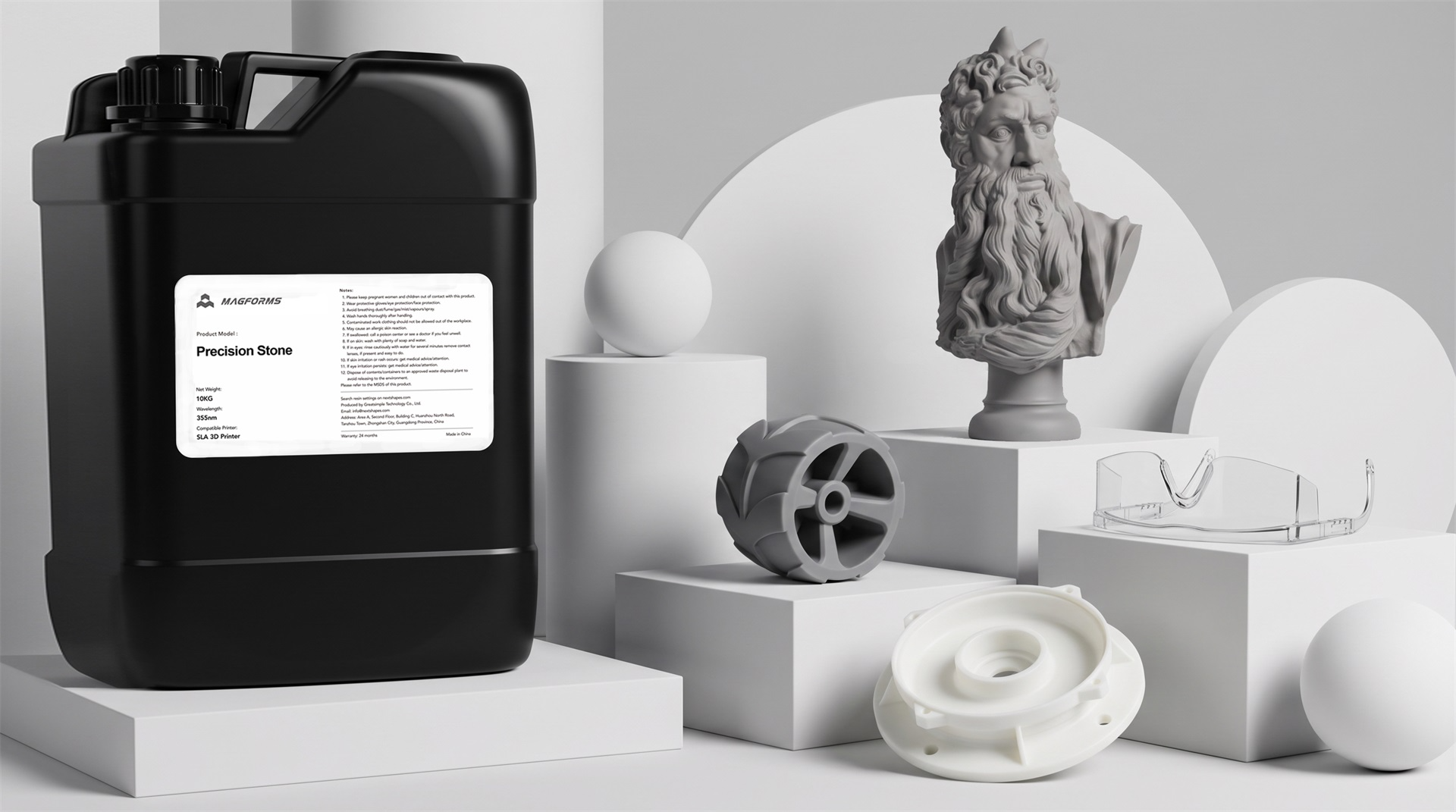
The main challenge was that the printer system required specific resin materials from the original supplier. This increased operating expenses and prevented the production team from selecting materials based on different project requirements.
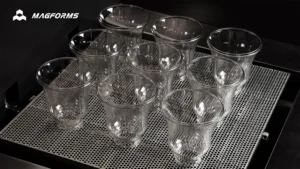
For film and entertainment applications, material performance is critical. Different props may require different characteristics, including fine surface details, durability, transparency, or easier post-processing.
The customer needed a more flexible manufacturing solution that could maintain quality while improving cost control.
Finding a More Flexible Solution for Industrial Resin Printing
Before contacting us, the customer had communicated with several suppliers. However, many industrial resin printing solutions still relied on closed material systems.
This meant manufacturers had limited choices when selecting photopolymer materials, even when different projects required different performance characteristics.
During communication, the customer focused on three key questions:
1. Could the equipment support compatible resin materials?
2. Could large and detailed models be produced with stable quality?
3. Could long-term production costs be reduced?
After reviewing their requirements, we found that the main issue was not only printing accuracy. The bigger challenge was creating a production workflow with more flexibility.
For companies producing customized entertainment models, the ability to choose suitable materials can directly influence production efficiency and project costs.
Using Laser-Based Stereolithography for Complex Entertainment Models
Traditional film prop manufacturing often requires multiple steps, including manual modeling, mold production, machining, and assembly. These processes can increase production time and limit design changes.
Laser-based stereolithography provides an alternative approach by directly creating complex parts from digital designs. As an advanced stereolithography printer, an industrial SLA system uses UV laser technology to cure photopolymer resin layer by layer, making stereolithography 3D printing suitable for complex prototypes and special effects models.
For a deeper understanding of the technology, you can explore our article about how stereolithography works.
With this manufacturing approach, entertainment companies can produce highly detailed prototypes and special effects components more efficiently.

Producing Large Special Effects Models with Greater Efficiency
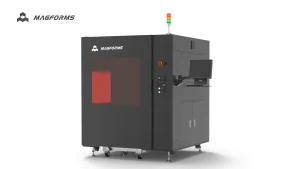
Based on the customer’s requirements, we recommended the SL800 Industrial SLA 3D Printer.
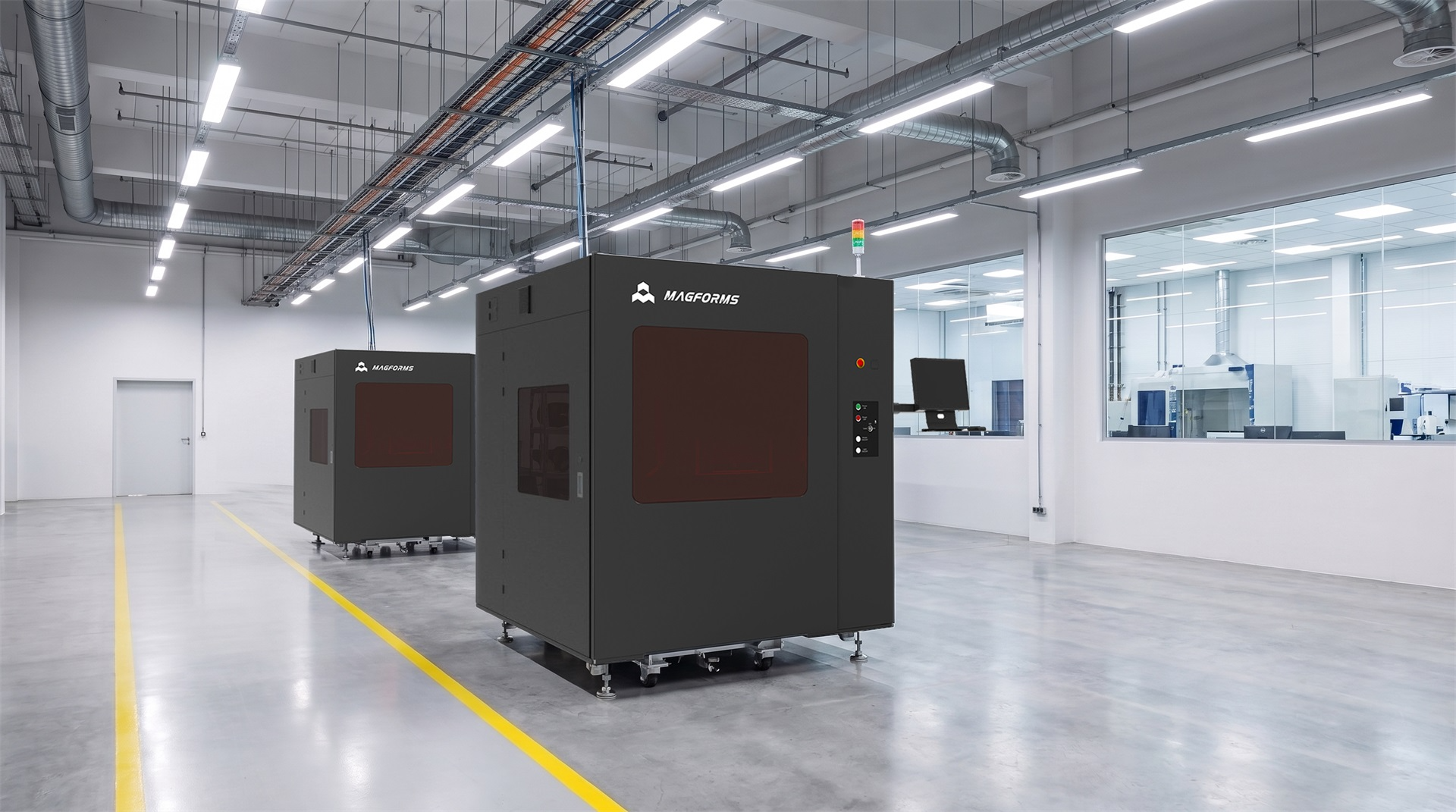
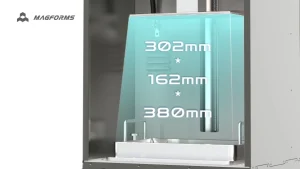
With an 800×800×550 mm build volume, SL800 is designed for large-scale models, movie props, and special effects components. As a large SLA printer with a large build volume, it helps manufacturers reduce assembly processes and improve production efficiency.
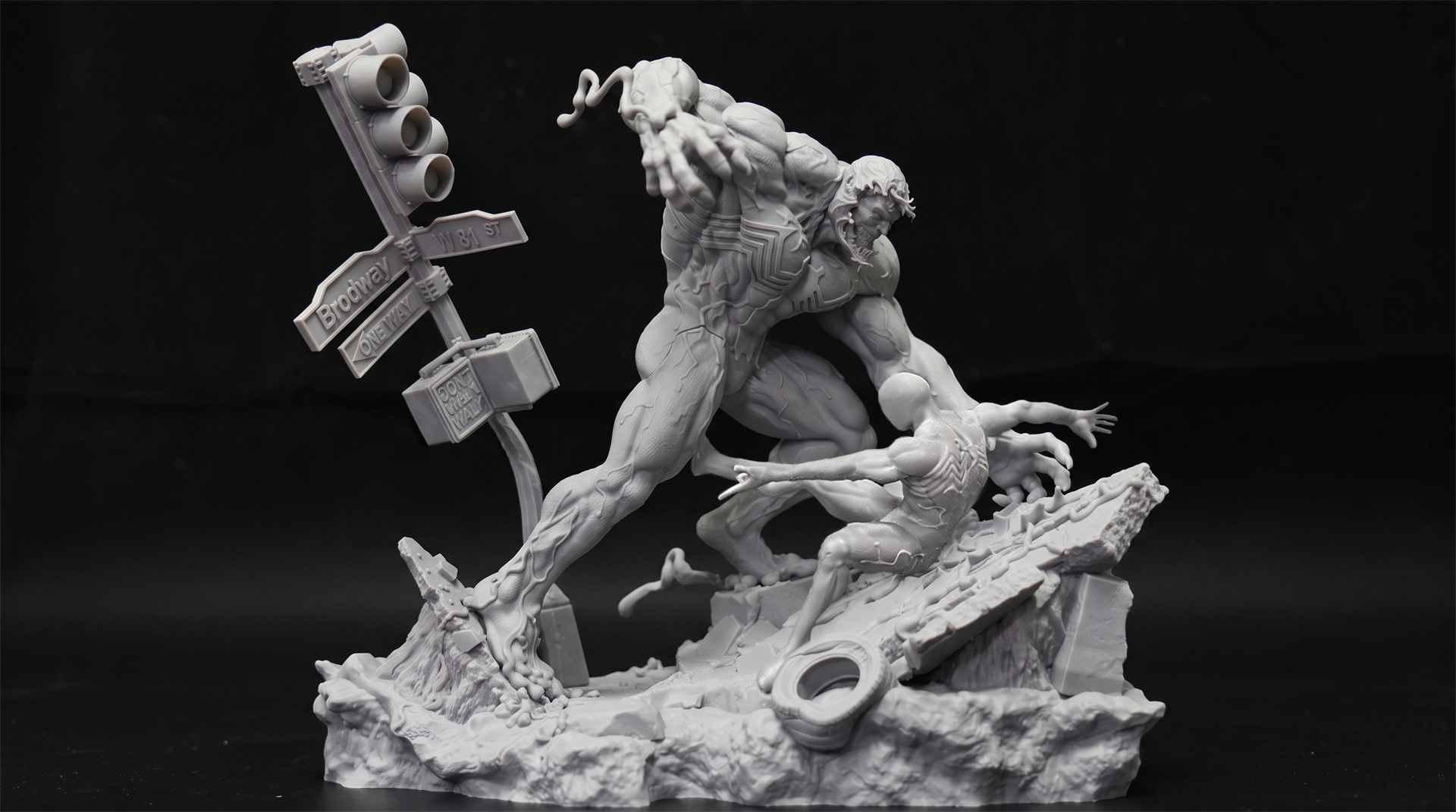
During trial production, the customer used the system to create several large-scale film props and special effects models.
The combination of large build space, stable laser scanning performance, and high-quality surface finishing helped the production team achieve the visual details required for entertainment applications.
Compared with previous workflows, the customer gained more flexibility when handling different project sizes and design requirements.
Reducing Production Costs Through Material Compatibility
One of the most important improvements was the increased freedom in material selection.
Compared with many traditional industrial SLA printers, SL800 provides greater flexibility through compatible photopolymer materials, allowing manufacturers to optimize material selection according to different applications. This allows manufacturers to select suitable materials according to project requirements instead of being limited to a single material source.
For the film prop manufacturer, this brought several benefits:
· Lower resin purchasing costs.
· More choices for different applications.
· Reduced dependency on specific suppliers.
· Improved production planning.
The customer was able to maintain the surface quality required for cinematic models while gaining better control over manufacturing expenses.
More examples of how this technology supports different industries can be found in our SLA application cases.

Improving Film Prop Manufacturing with a Flexible SLA Solution
Today, the company continues using the SL800 system for new creative projects.
For film, animation, and special effects manufacturers, choosing the right Industrial SLA 3D Printer is not only about accuracy. It is also about improving workflow efficiency, controlling production costs, and maintaining flexibility as project requirements change.
With large build capacity, laser-based stereolithography technology, and material compatibility, SL800 provides a practical solution for companies seeking reliable large-scale model production.