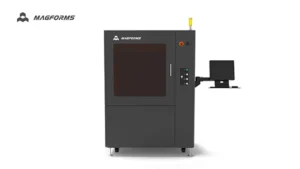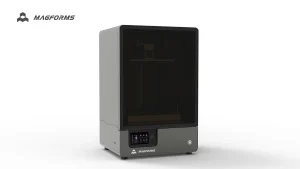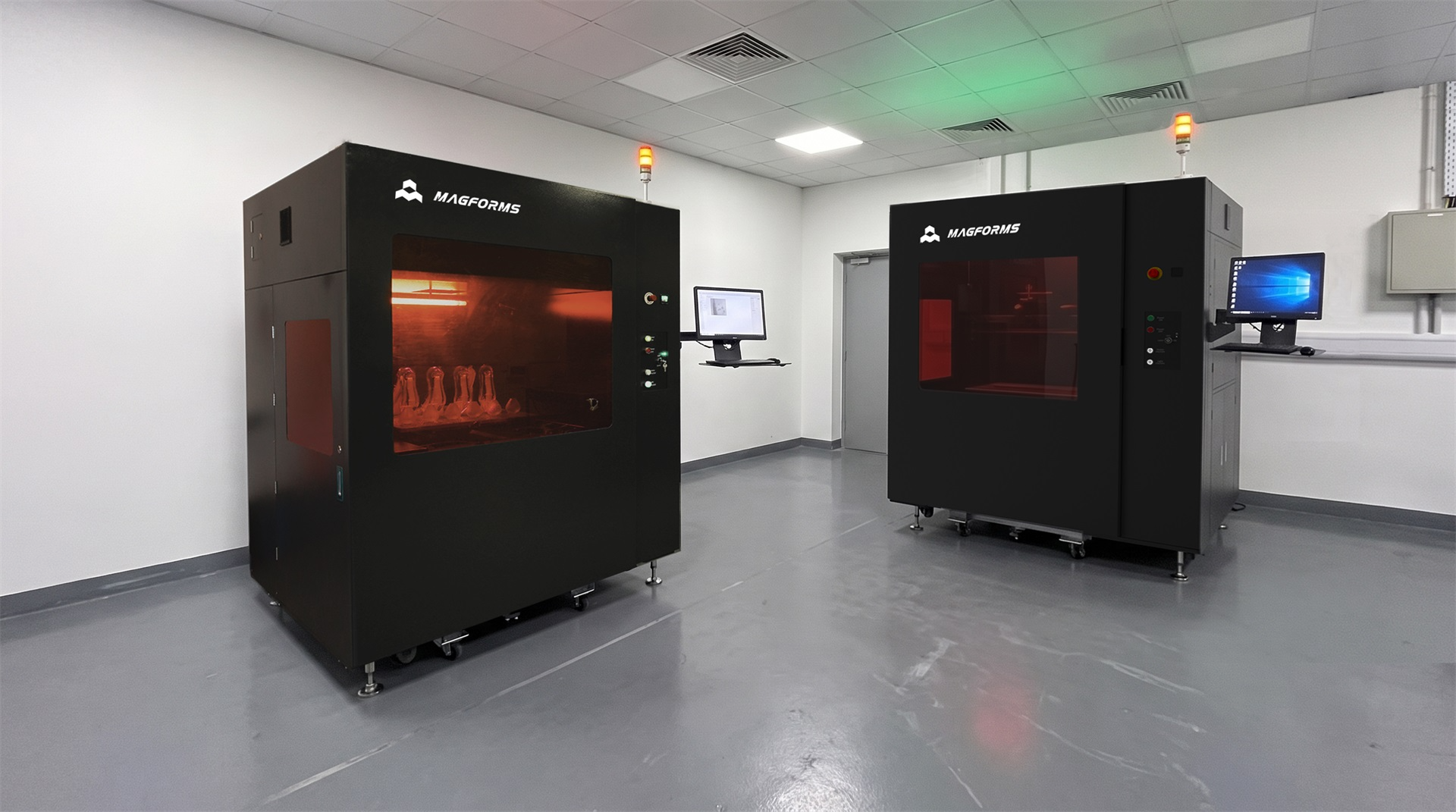
Choosing an Industrial SLA 3D Printer requires more than comparing build volume or print speed. As additive manufacturing becomes increasingly important for product development and low-volume production, manufacturers need to evaluate factors such as dimensional accuracy, production stability, material compatibility, workflow efficiency, and long-term operating costs.
Whether producing automotive prototypes, transparent components, medical models, tooling patterns, or consumer product prototypes, the right SLA system can shorten development cycles while improving part quality and production flexibility. However, different applications require different equipment capabilities, and selecting a system without considering actual production needs may lead to unnecessary costs or limited future scalability.
This buying guide explains the key factors manufacturers should evaluate before investing in an Industrial SLA 3D Printer, helping businesses choose a solution that supports both current applications and future manufacturing requirements.
What Is an Industrial SLA 3D Printer?
Industrial stereolithography (SLA) is an additive manufacturing technology that uses a precision ultraviolet laser to selectively cure liquid photopolymer resin layer by layer, creating three-dimensional parts directly from digital CAD data.
Compared with desktop Resin Printers, industrial SLA systems are designed for professional manufacturing environments with larger build volumes, higher dimensional accuracy, improved process stability, and better suitability for continuous production.
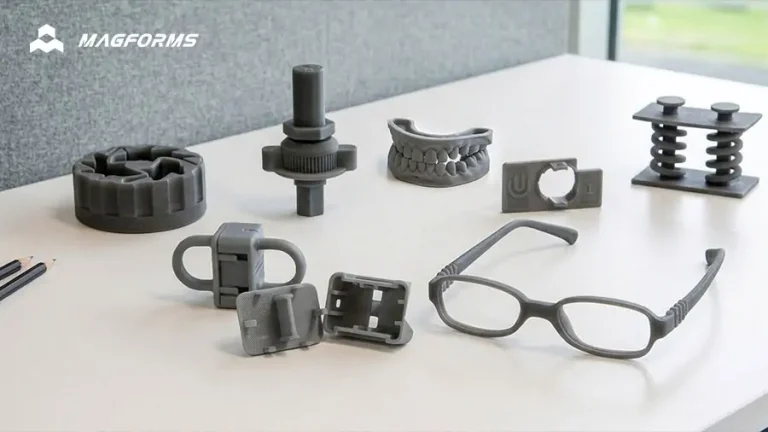
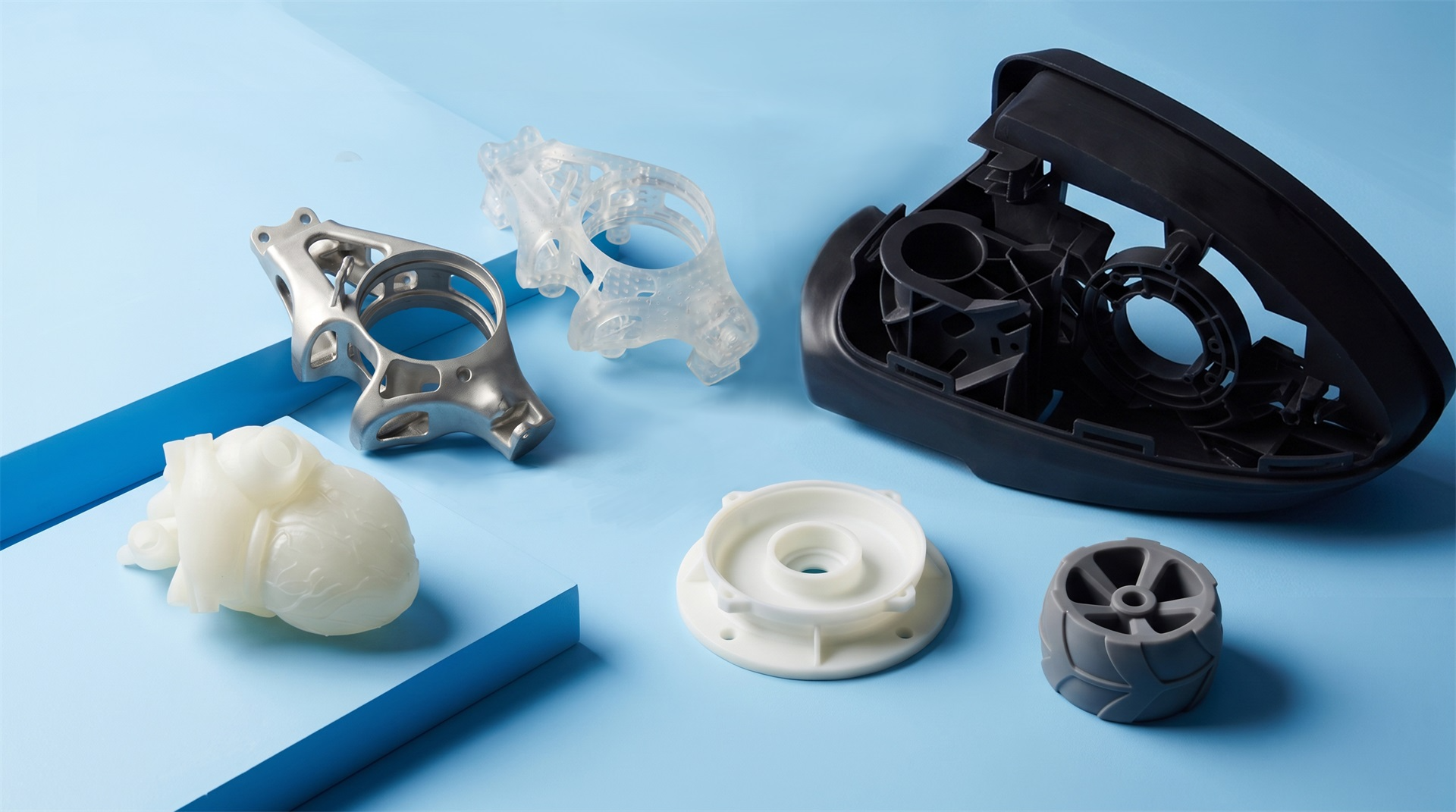
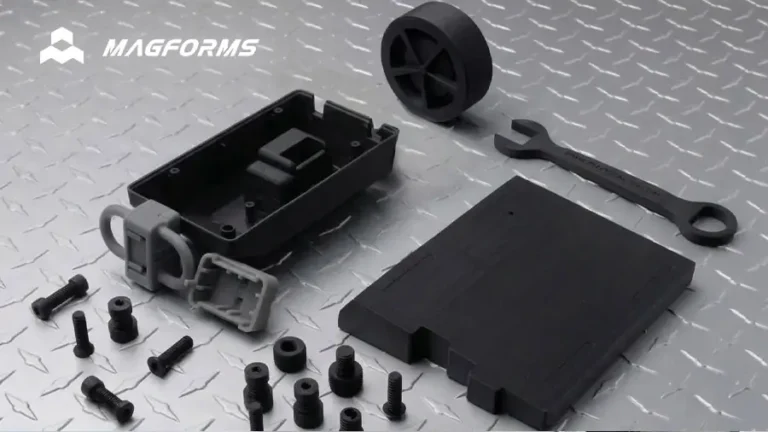
Industrial SLA 3D Printers are widely used for applications requiring detailed features, smooth surface finishes, and reliable dimensional consistency, including functional prototypes, master patterns, molds, transparent components, medical models, and low-volume production parts.
Unlike traditional manufacturing processes that require dedicated tooling, SLA enables manufacturers to move directly from digital design files to physical parts. This reduces development time and allows faster design validation, customization, and product iteration.
For companies exploring industrial additive manufacturing, understanding how laser-based stereolithography works is an important first step when selecting the right system.
How Industrial SLA Printing Works
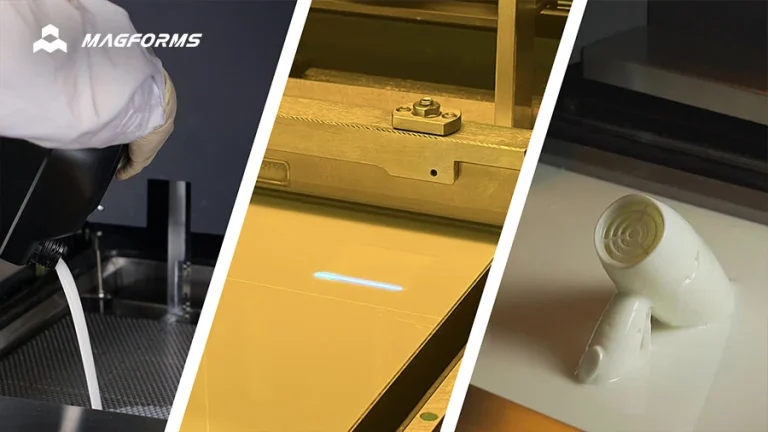
Industrial SLA technology uses a high-precision laser system controlled by galvanometers to scan liquid photopolymer resin according to digital design data. Each layer is selectively cured before the build platform moves, and the next layer is formed.
Unlike LCD-based resin printers that expose an entire layer through a masking screen, industrial SLA systems rely on laser scanning technology. This allows manufacturers to optimize scanning paths, control laser energy distribution, and maintain consistent accuracy across different part sizes.
Modern industrial SLA systems often integrate:
· Variable laser spot control for balancing speed and detail
· Precision galvanometer scanning for accurate positioning
· Servo-driven motion systems for stable movement
· Intelligent scanning strategies for production efficiency
· Temperature management systems for consistent resin processing
When properly calibrated, these technologies help manufacturers produce parts with excellent surface quality and reliable dimensional accuracy during long production cycles.
Common Industrial Applications
One of the key advantages of an Industrial SLA 3D Printer is its ability to support a wide range of manufacturing applications without expensive tooling or long setup times.
Common applications include:
· • Automotive prototypes: concept models, design verification parts, lighting prototypes, and assembly validation components.
· • Medical applications: anatomical models, surgical guides, and medical device prototypes requiring fine details.
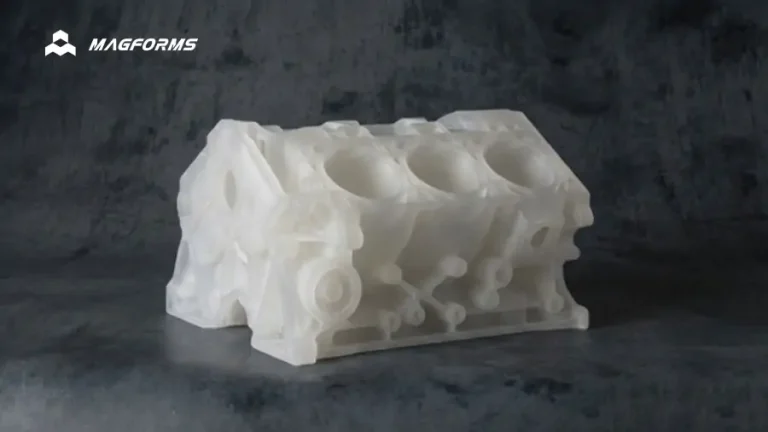
· • Mold manufacturing: master patterns, vacuum forming molds, silicone casting masters, and investment casting patterns.
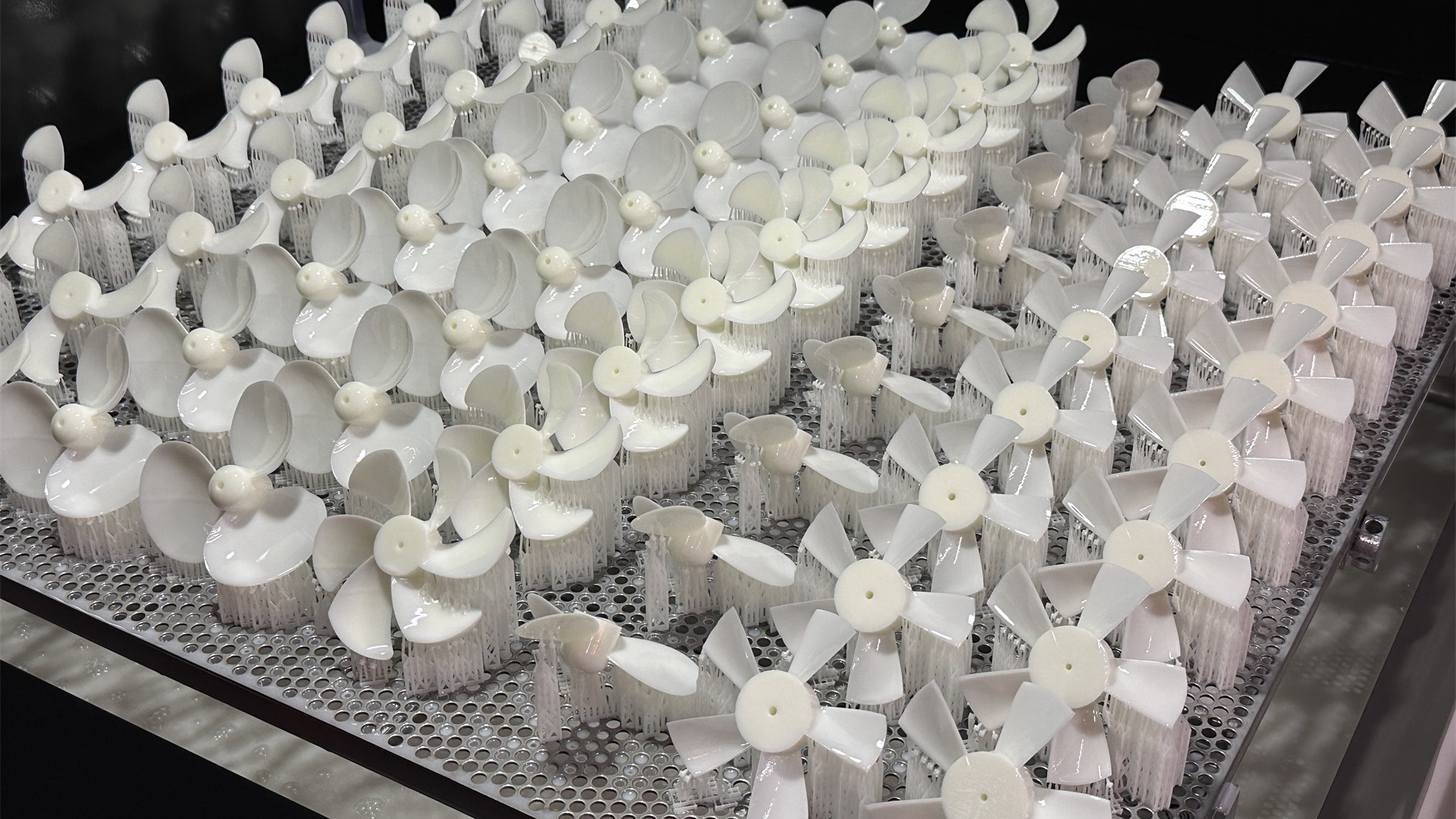
· • Transparent components: optical prototypes, transparent covers, fluid visualization models, and lighting components. Manufacturers can explore a transparent industrial components case study to see how SLA technology is applied for producing high-quality transparent parts.
· • Consumer products: appearance models, functional prototypes, and pre-production validation parts.
These capabilities make SLA an effective solution for manufacturers seeking faster product development, design flexibility, and reliable production workflows.
Key Factors to Consider Before Buying
Selecting an Industrial SLA 3D Printer involves more than reviewing specification sheets. A system that performs well in demonstrations may not always provide consistent results in daily production.
Before investing, manufacturers should evaluate how the equipment matches their application requirements, production workflow, and long-term operating objectives.
The most important factors include build volume, dimensional accuracy, production stability, material compatibility, software capabilities, and supplier support.

Build Volume and Production Capacity
Build volume determines the maximum size of parts that can be produced and directly affects production flexibility.
A larger build area allows manufacturers to produce oversized components or manufacture multiple parts within a single build. This can reduce assembly requirements, minimize handling steps, and improve overall production efficiency.
For industries such as automotive development, industrial modeling, sculpture production, and tooling applications, large-format SLA systems can provide significant advantages. Equipment with a build volume around 800 × 800 × 550 mm enables manufacturers to handle larger prototypes and complex components without splitting parts into multiple sections.
However, selecting the largest available machine is not always the best choice. Buyers should consider:
· Typical part dimensions
· Expected production volume
· Future application expansion
· Available factory space
· Required throughput
Choosing the right build volume helps maximize equipment utilization while avoiding unnecessary investment. Manufacturers can compare different Industrial SLA 3D Printer solutions based on application requirements, production scale, and future expansion plans.
Accuracy and Printing Stability
Dimensional accuracy is one of the most important factors when evaluating an Industrial SLA 3D Printer, but actual production performance depends on much more than a single tolerance specification.
Maintaining consistent accuracy across hundreds or thousands of production cycles requires the entire printing system to work together, including the laser system, scanning mechanism, motion structure, resin management, and environmental control.
Key factors affecting printing accuracy include:
· Laser output stability
· Galvanometer positioning accuracy
· Motion control performance
· Mechanical rigidity
· Resin level management
· Temperature stability
· Scanning strategy
Industrial systems equipped with high-quality laser sources, precision galvanometers, and servo-driven motion systems are better suited for continuous manufacturing because they can maintain repeatable positioning during long production runs.
Mechanical design also plays an important role. A rigid machine structure, precision linear guides, and stable motion platforms help minimize vibration and improve consistency, especially when producing large-format components.
Production stability should be evaluated together with accuracy. Failed prints not only increase material consumption but also create additional labor costs and production delays. For manufacturers operating frequent production schedules, equipment reliability directly influences overall manufacturing efficiency.
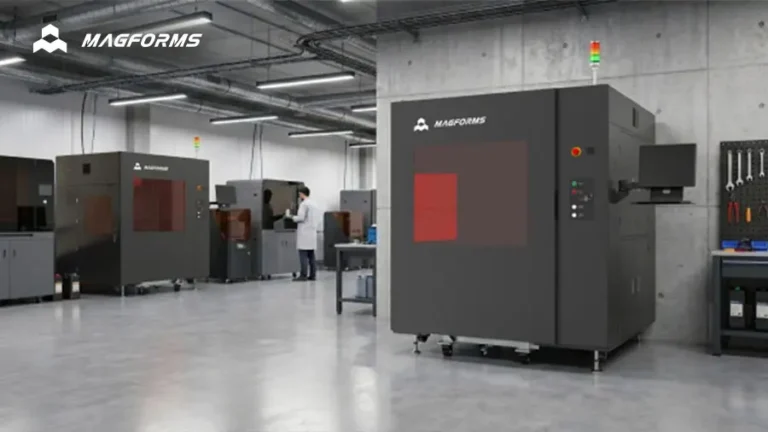
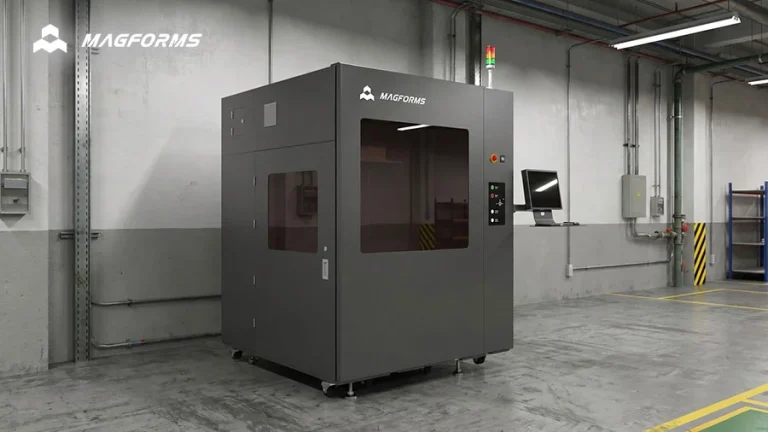
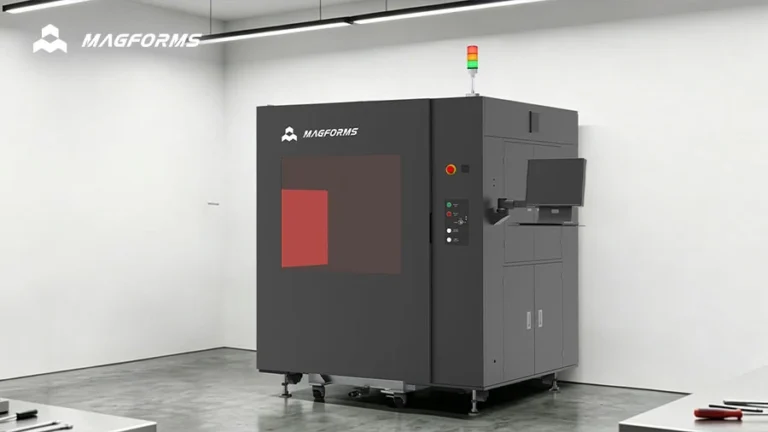
Some professional systems, such as the SL800 Industrial SLA 3D Printer, combine industrial laser technology, precision galvanometer scanning, servo motion control, and a rigid structural platform to support stable production environments. When evaluating equipment, buyers should focus on how these technologies work together rather than considering individual specifications separately.

Material Compatibility and Software
Material flexibility has become an increasingly important consideration as manufacturers expand their applications. Different industries may require different photopolymer resin properties, including transparency, durability, heat resistance, casting capability, or specific mechanical performance.
Some SLA systems operate within closed material ecosystems, while others support a more open material approach that allows users to work with a wider range of compatible 355 nm photopolymer resins.
An open material system can provide several advantages:
· Greater freedom when selecting materials
· Ability to continue using existing resin resources
· Easier evaluation of new applications
· Reduced dependence on a single material supplier
This flexibility is particularly valuable for manufacturers working across multiple industries or developing customized applications.
Software is another important factor that directly affects production efficiency. A well-designed workflow should simplify print preparation, reduce operator workload, and improve production management.
When evaluating software capabilities, manufacturers should consider:
· Efficient print preparation
· Support generation tools
· Flexible parameter adjustment
· Production task management
· Remote monitoring functions
Environmental control should also be considered. Maintaining a stable resin temperature helps keep resin viscosity consistent, supporting reliable recoating and improving print consistency under different operating conditions.
Rather than evaluating hardware, materials, and software separately, manufacturers should consider the entire production workflow. A well-integrated system can improve productivity, reduce operational complexity, and support long-term manufacturing growth.
In-House Production vs. Outsourcing
As industrial 3D printing becomes increasingly important in manufacturing, companies often need to decide whether to continue outsourcing production or invest in their own equipment.
Outsourcing can be a practical solution for businesses with occasional printing requirements or highly specialized projects. Service providers provide access to different manufacturing technologies without requiring equipment investment.
However, outsourcing may also introduce challenges, including:
· Longer production lead times
· Limited scheduling flexibility
· Additional communication costs
· Reduced control over production processes
For companies that frequently develop prototypes or manufacture low-volume production parts, operating an Industrial SLA 3D Printer internally can provide greater flexibility.
Benefits of in-house production include:
· Faster design iteration
· Better control over production schedules
· Improved protection of confidential designs
· Reduced dependency on external suppliers
· Faster product validation
By producing parts internally, engineering teams can quickly test design changes, evaluate performance, and refine products without waiting for external manufacturing timelines.
However, bringing production in-house requires careful evaluation of total ownership costs. Equipment investment, maintenance, labor, materials, and expected production volume should all be considered before making a decision.
For organizations with frequent prototyping requirements or recurring low-volume production needs, an in-house SLA workflow can provide significant long-term value.
How to Evaluate an Industrial SLA Supplier
Choosing the right printer is only one part of the purchasing decision. The supplier’s technical capability and service support can also influence long-term production success.
A reliable supplier should provide more than equipment specifications. Application knowledge, technical support, training, and ongoing service all contribute to stable manufacturing operations.
Before purchasing an Industrial SLA system, manufacturers should evaluate:
Industry Experience
A supplier with experience in automotive, medical, tooling, consumer products, or other industrial applications can better understand production requirements and recommend suitable solutions.
Technical Support
Fast troubleshooting, remote assistance, operator training, and maintenance support can reduce downtime and improve production reliability.
Software and System Development
Continuous software improvements and process optimization help manufacturers maintain productivity as production requirements evolve.
Future Scalability
A supplier should be able to support future expansion through additional equipment, materials, accessories, and technical solutions.
The best purchasing decisions consider the complete manufacturing ecosystem rather than focusing only on machine specifications. Reliable support and application expertise often have a significant impact on long-term equipment value.
Final Thoughts
Choosing the right Industrial SLA 3D Printer requires a comprehensive evaluation of production requirements, technical capabilities, and long-term business goals.
Manufacturers should consider factors such as build volume, dimensional accuracy, production stability, material compatibility, software workflow, and supplier support rather than focusing on a single specification.
A well-selected SLA system can help businesses accelerate product development, improve manufacturing flexibility, and reduce the limitations of traditional production methods.
For manufacturers requiring large-format prototypes, tooling patterns, transparent components, or low-volume production parts, exploring different Industrial SLA 3D Printer solutions and comparing their capabilities based on real application requirements is an important step before investment.
For more information about industrial SLA solutions and real-world applications, manufacturers can explore related resources such as Industrial SLA 3D Printer Series and application examples based on their production needs.